



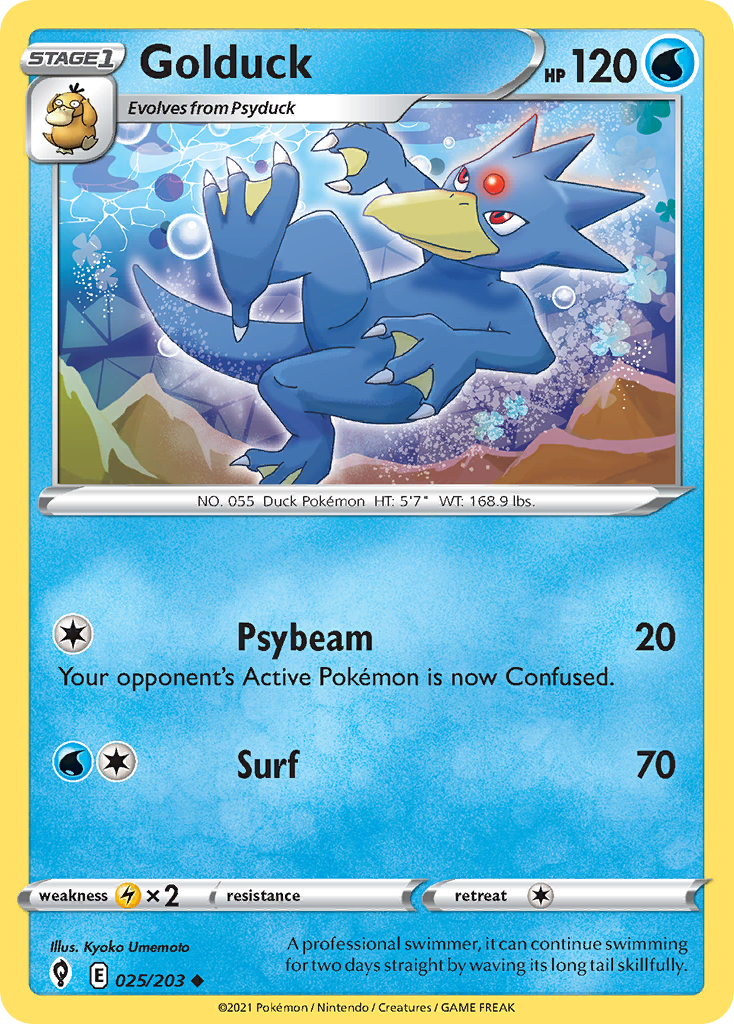
Golduck


A professional swimmer, it can continue swimming for two days straight by waving its long tail skillfully.
Your opponent’s Active Pokémon is now Confused.
| Supertype | Pokémon |
|---|---|
| Subtype | Stage 1 |
| HP | 120 |
| Types | Water |
| Attack | Psybeam |
| Attack cost | Colorless |
| Artist | Kyoko Umemoto |
| Rarity | Uncommon |
| Pokédex | 55 |
| Evolves from | Psyduck |
Vendor Information
- Store Name: DutchGem
- Vendor: DutchGem
-
Address:
gekkestraat
179
2345GT Utrecht
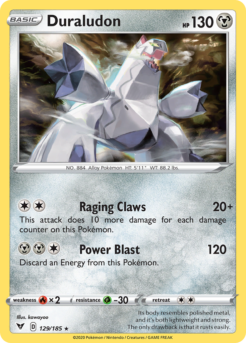
Sword & Shield
Its body resembles polished metal, and it's both lightweight and strong. The only drawback is that it rusts easily.
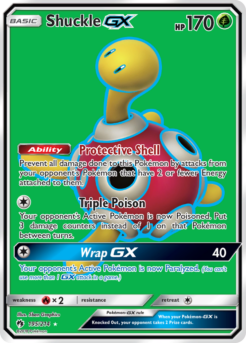
Lost Thunder
Your opponent’s Active Pokémon is now Poisoned. Put 3 damage counters instead of 1 on that Pokémon between turns.
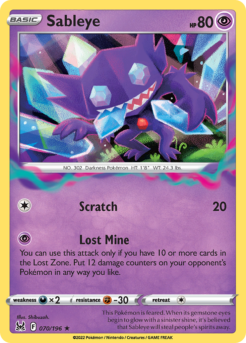
Lost Origin
This Pokémon is feared. When its gemstone eyes begin to glow with a sinister shine, it's believed that Sableye will steal people's spirits away.
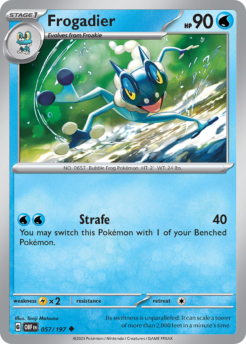
Obsidian Flames
Its swiftness is unparalleled. It can scale a tower of more than 600 metres in a minute's time.
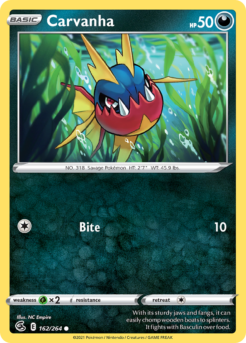
Fusion Strike
With its sturdy jaws and fangs, it can easily chomp wooden boats to splinters. It fights with Basculin over food.
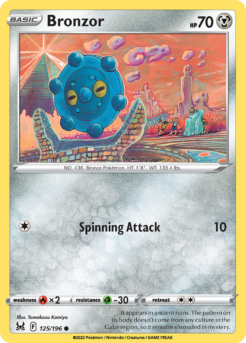
Lost Origin
It appears in ancient ruins. The pattern on its body doesn't come from any culture in the Galar region, so it remains shrouded in mystery.
Related products
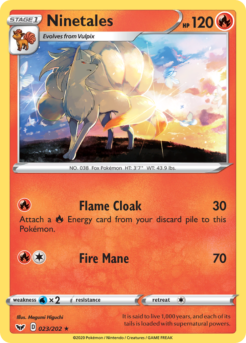
Sword & Shield
It is said to live 1,000 years, and each of its tails is loaded with supernatural powers.
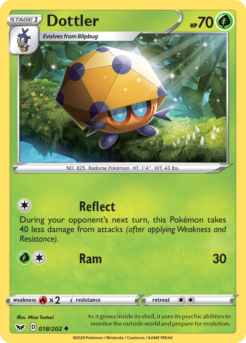
Sword & Shield
As it grows inside its shell, it uses its psychic abilities to monitor the outside world and prepare for evolution.
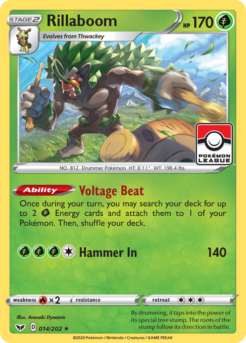
Sword & Shield
By drumming, it taps into the power of its special tree stump. The roots of the stump follow its direction in battle.
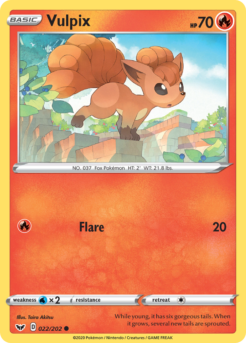
Sword & Shield
While young, it has six gorgeous tails. When it grows, several new tails are sprouted.
Sword & Shield
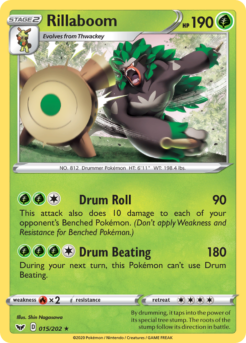
By drumming, it taps into the power of its special tree stump. The roots of the stump follow its direction in battle.
Sword & Shield
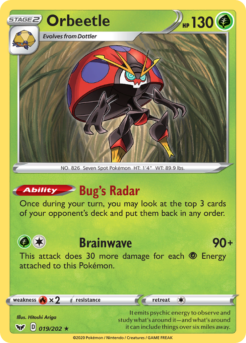
It emits psychic energy to observe and study what's around it—and what's around it can include things over six miles away.
Sword & Shield
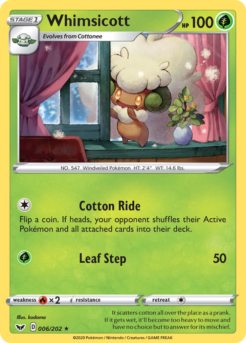
It scatters cotton all over the place as a prank. If it gets wet, it'll become too heavy to move and have no choice but to answer for its mischief.
Sword & Shield
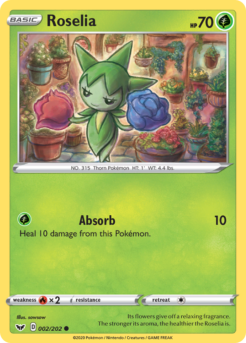
Its flowers give off a relaxing fragrance. The stronger its aroma, the healthier the Roselia is.