



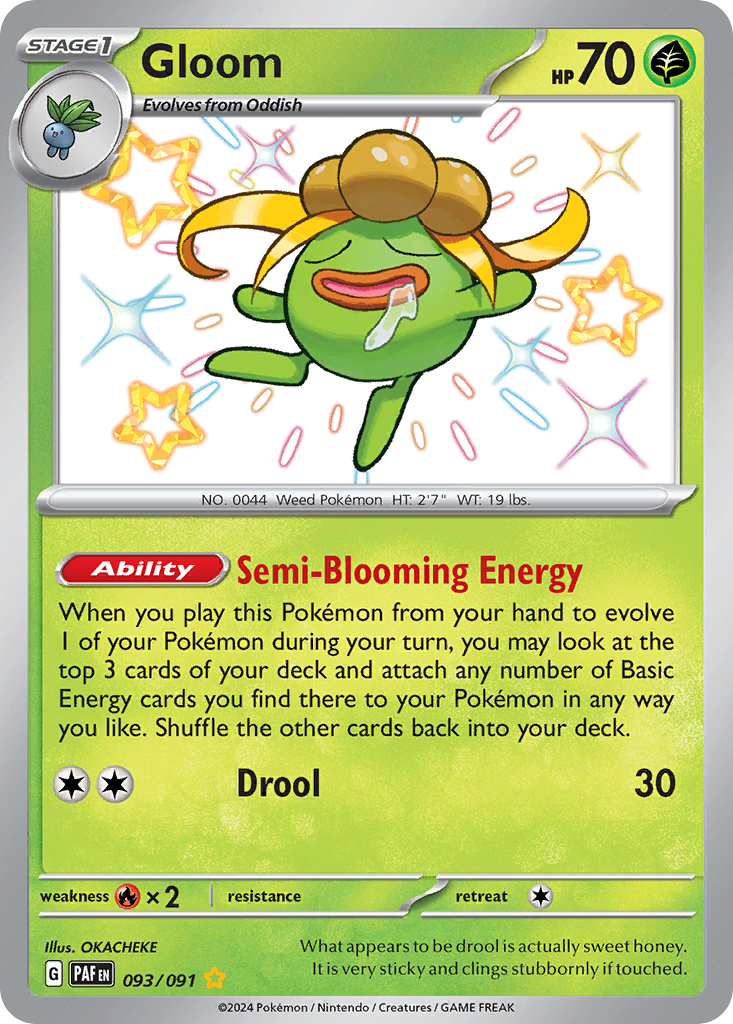
Gloom

What appears to be drool is actually sweet honey. It is very sticky and clings stubbornly if touched.
| Supertype | Pokémon |
|---|---|
| Subtype | Stage 1 |
| HP | Grass |
| Attack | Drool |
| Attack cost | Colorless |
| Artist | OKACHEKE |
| Rarity | Shiny Rare |
| Pokédex | 44 |
| Evolves from | Oddish |
| Evolves to | Vileplume |
Vendor Information
- Store Name: DutchGem
- Vendor: DutchGem
-
Address:
gekkestraat
179
2345GT Utrecht
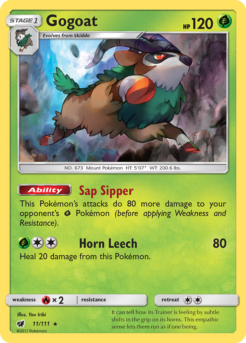
Crimson Invasion
It can tell how its trainer is feeling by subtle shifts in the grip on its horns. This empathetic sense lets them run as if one being.
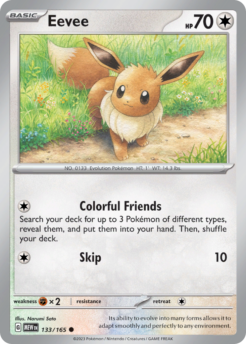
151
Its ability to evolve into many forms allows it to adapt smoothly and perfectly to any environment.
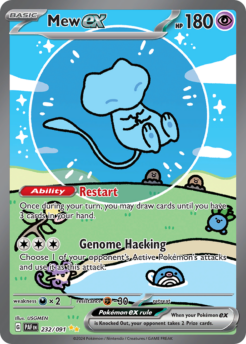
Paldean Fates
Choose 1 of your opponent’s Active Pokémon’s attacks and use it as this attack.
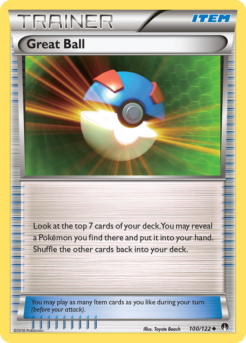
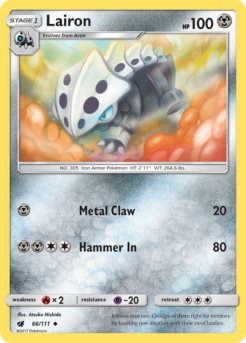
Crimson Invasion
It loves iron ore. Groups of them fight for territory by bashing one another with their steel bodies.
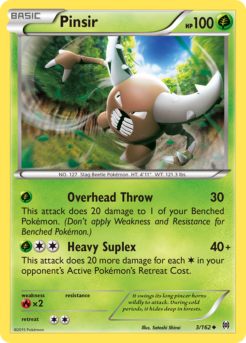
BREAKthrough
It swings its long antlers wildly to attack. During cold periods, it hides deep in forests.
Related products
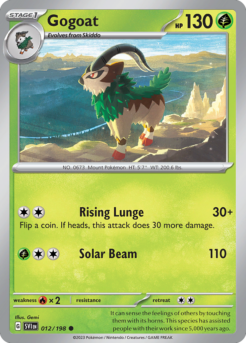
Scarlet & Violet
It can sense the feelings of others by touching them with its horns. This species has assisted people with their work since 5,000 years ago.
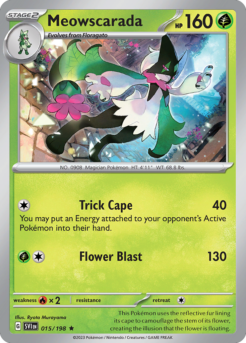
Scarlet & Violet
This Pokémon uses the reflective fur lining its cape to camouflage the stem of its flower, creating the illusion that the flower is floating.
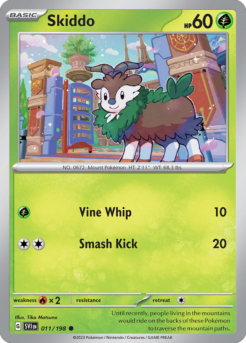
Scarlet & Violet
Until recently, people living in the mountains would ride on the back of these Pokémon to traverse the mountain paths.
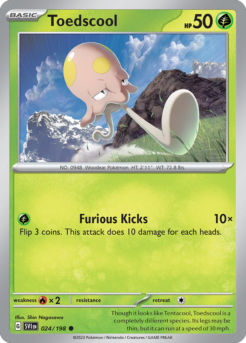
Scarlet & Violet
Though it looks like Tentacool, Toedscool is a completely different species. Its legs may be thin, but it can run at a speed of 30 mph.
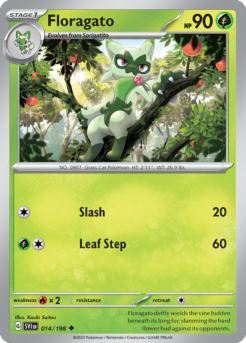
Scarlet & Violet
Floragato deftly wields the vine hidden beneath its long fur, slamming the hard flower bud against its opponents.
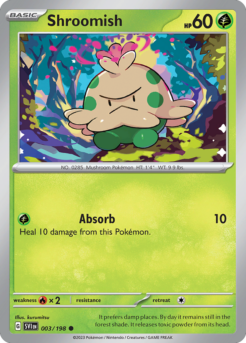
Scarlet & Violet
It prefers damp places. By day it remains still in the forest shade. It releases toxic powder from its head.
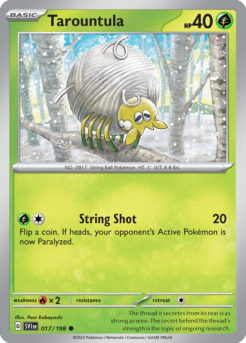
Scarlet & Violet
The thread it secretes from its rear is as strong as wire. The secret behind the thread's strength is the topic of ongoing research.
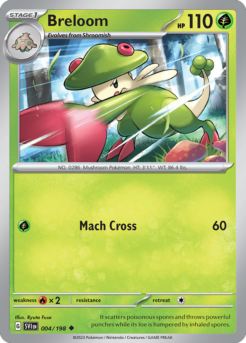
Scarlet & Violet
It scatters poisonous spores and throws powerful punches while its foe is hampered by inhaled spores.