



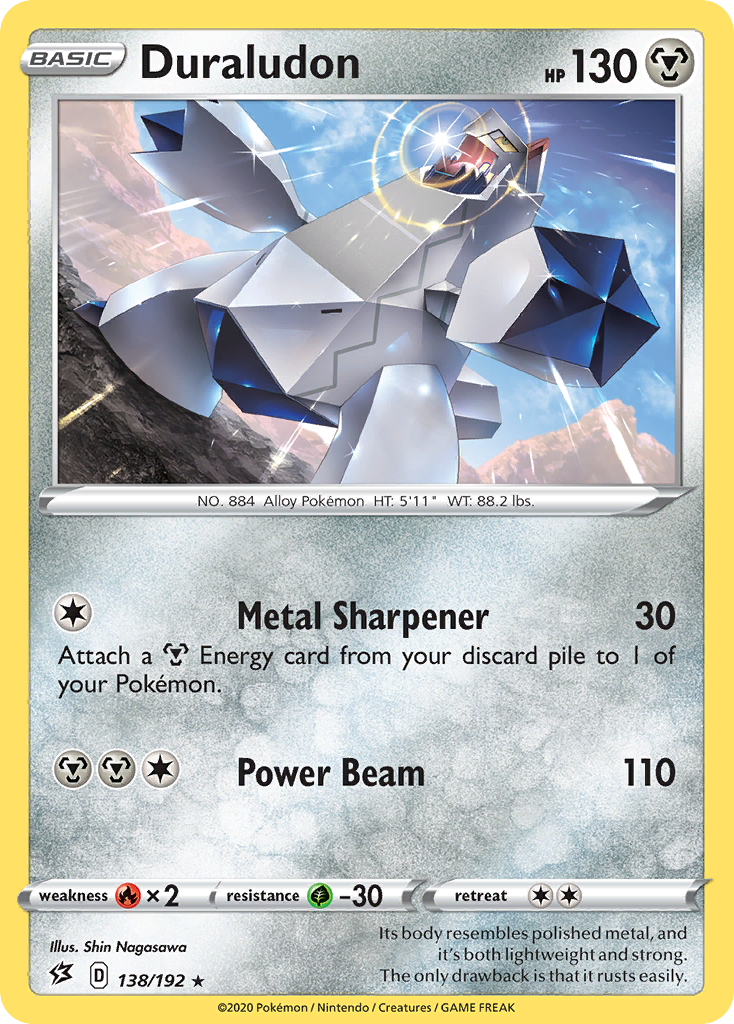
Duraludon
Its body resembles polished metal, and it’s both lightweight and strong. The only drawback is that it rusts easily.
Attach a Metal Energy card from your discard pile to 1 of your Pokémon.
| Supertype | Pokémon |
|---|---|
| Subtype | Basic |
| HP | 130 |
| Types | Metal |
| Attack | Metal Sharpener |
| Attack cost | Colorless |
| Artist | Shin Nagasawa |
| Rarity | Rare Holo |
| Pokédex | 884 |
Vendor Information
- Store Name: DutchGem
- Vendor: DutchGem
-
Address:
gekkestraat
179
2345GT Utrecht
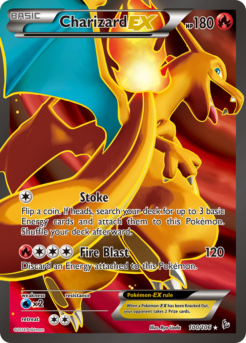
Flashfire
Flip a coin. If heads, search your deck for up to 3 basic Energy cards and attach them to this Pokémon. Shuffle your deck afterward.
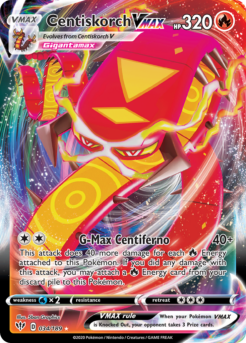
Darkness Ablaze
This attack does 40 more damage for each Fire Energy attached to this Pokémon. If you did any damage with this attack, you may attach a Fire Energy card from your discard pile to this Pokémon.
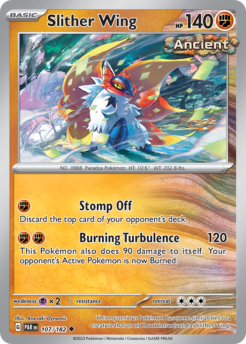
Paradox Rift
This mysterious Pokémon has some similarities to a creature that an old book introduced as Slither Wing.
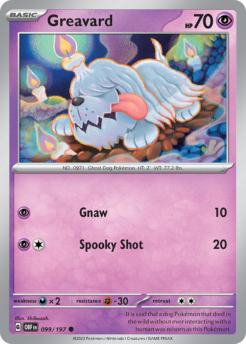
Obsidian Flames
It is said that a dog Pokémon that died in the wild without ever interacting with a human was reborn as this Pokémon.
Paldea Evolved
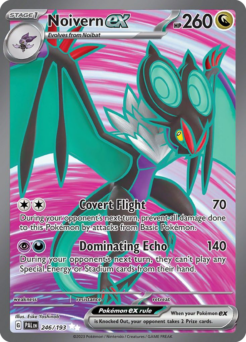
During your opponent’s next turn, prevent all damage done to this Pokémon by attacks from Basic Pokémon.
Related products
Sword & Shield
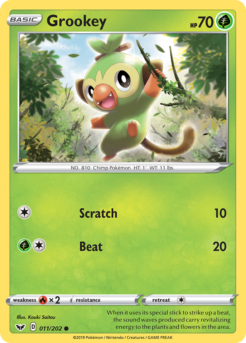
When it uses its special stick to strike up a beat, the sound waves produced carry revitalizing energy to the plants and flowers in the area.
Sword & Shield
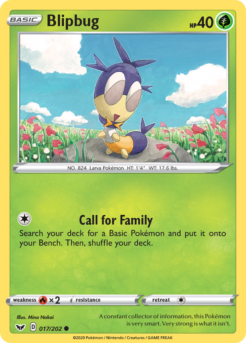
A constant collector of information, this Pokémon is very smart. Very strong is what it isn't.
Sword & Shield
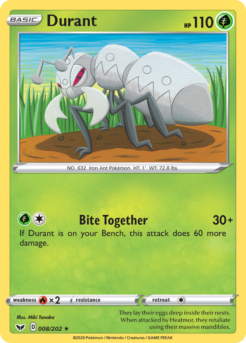
They lay their eggs deep inside their nests. When attacked by Heatmor, they retaliate using their massive mandibles.
Sword & Shield
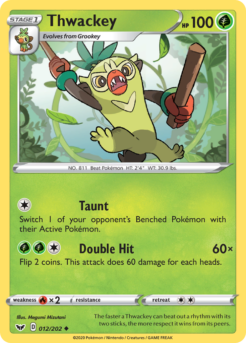
The faster a Thwackey can beat out a rhythm with its two sticks, the more respect it wins from its peers.
Sword & Shield
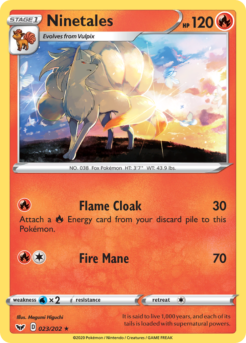
It is said to live 1,000 years, and each of its tails is loaded with supernatural powers.
Sword & Shield
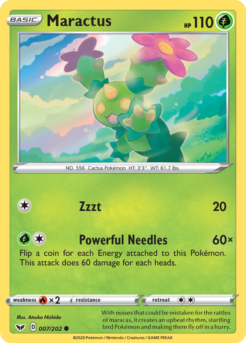
With noises that could be mistaken for the rattles of maracas, it creates an upbeat rhythm, startling bird Pokémon and making them fly off in a hurry.
Sword & Shield
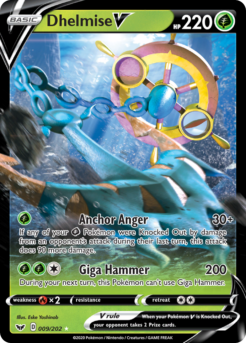
If any of your Grass Pokémon were Knocked Out by damage from an opponent’s attack during their last turn, this attack does 90 more damage.
Sword & Shield
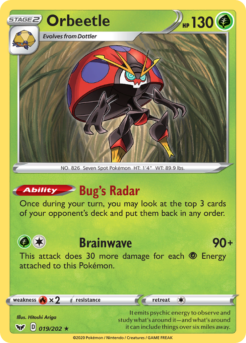
It emits psychic energy to observe and study what's around it—and what's around it can include things over six miles away.