


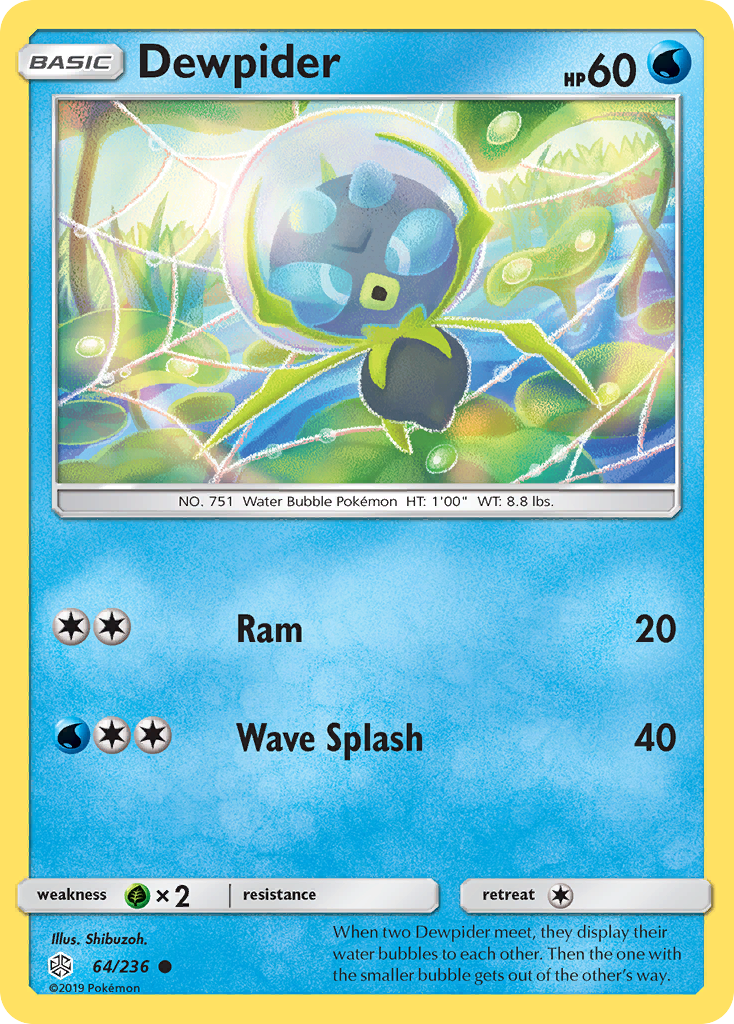
Dewpider
When two Dewpider meet, they display their water bubbles to each other. Then the one with the smaller bubble gets out of the other’s way.
| Supertype | Pokémon |
|---|---|
| Subtype | Basic |
| HP | 60 |
| Types | Water |
| Attack | Ram |
| Attack cost | Colorless |
| Artist | Shibuzoh. |
| Rarity | Common |
| Pokédex | 751 |
| Evolves to | Araquanid |
Vendor Information
- Store Name: DutchGem
- Vendor: DutchGem
-
Address:
gekkestraat
179
2345GT Utrecht
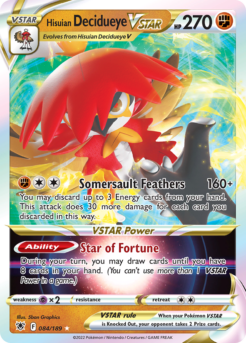
Astral Radiance
You may discard up to 3 Energy cards from your hand. This attack does 30 more damage for each card you discarded in this way.
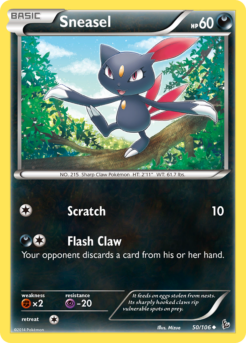
Flashfire
It feeds on eggs stolen from nests. Its sharply hooked claws rip vulnerable spots on prey.
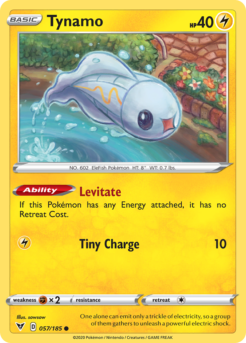
Sword & Shield
One alone can emit only trickle of electricity, so a group of them gathers to unleash a powerful electric shock.
Evolving Skies
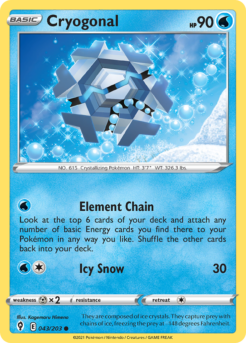
They are composed of ice crystals. They capture prey with chains of ice, freezing the prey at -148 degrees Fahrenheit.
Sword & Shield
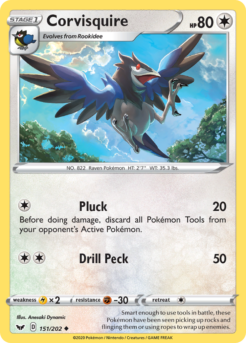
Smart enough to use tools in battle, these Pokémon have been seen picking up rocks and flinging them or using ropes to wrap up enemies.
Scarlet & Violet
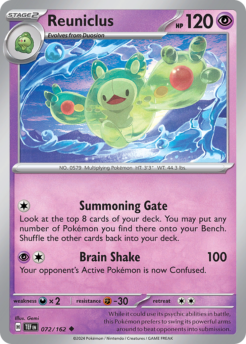
While it could use its psychic abilities in battle, this Pokémon prefers to swing its powerful arms around to beat opponents into submission.
Related products
Sun & Moon
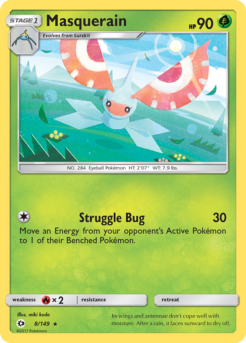
Its wings and antennae don't cope well with moisture. After a rain, it faces sunward to dry off.
Sun & Moon
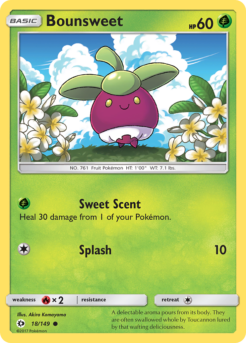
A delectable aroma pours from its body. They are often swallowed whole by Toucannon lured by that wafting deliciousness.
Sun & Moon
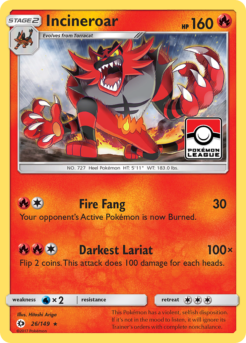
This Pokémon has a violent, selfish disposition. If it's not in the mood to listen, it will ignore its Trainer's orders with complete nonchalance.
Sun & Moon
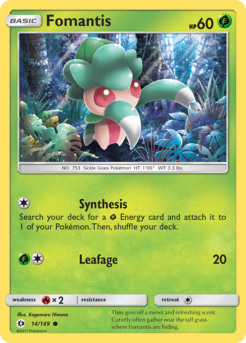
They give off a sweet and refreshing scent. Cutiefly often gather near the tall grass where Fomantis are hiding.
Sun & Moon
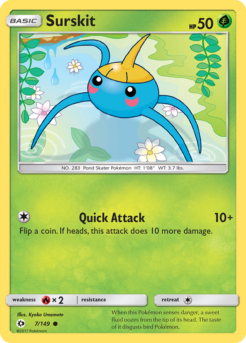
When this Pokémon senses danger, a sweet fluid oozes from the tip of its heads. The taste of it disgusts bird Pokémon.
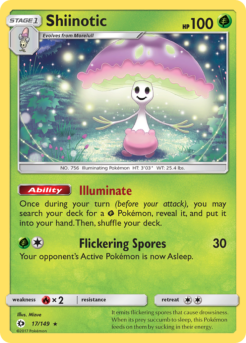
Sun & Moon
It emits flickering spores that cause drowsiness. When its prey succumb to sleep, this Pokémon feeds on them by sucking in their energy.
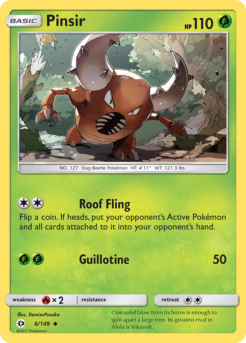
Sun & Moon
One solid blow from its horns is enough to split apart a large tree. Its greatest rival in Alola is Vikavolt.