



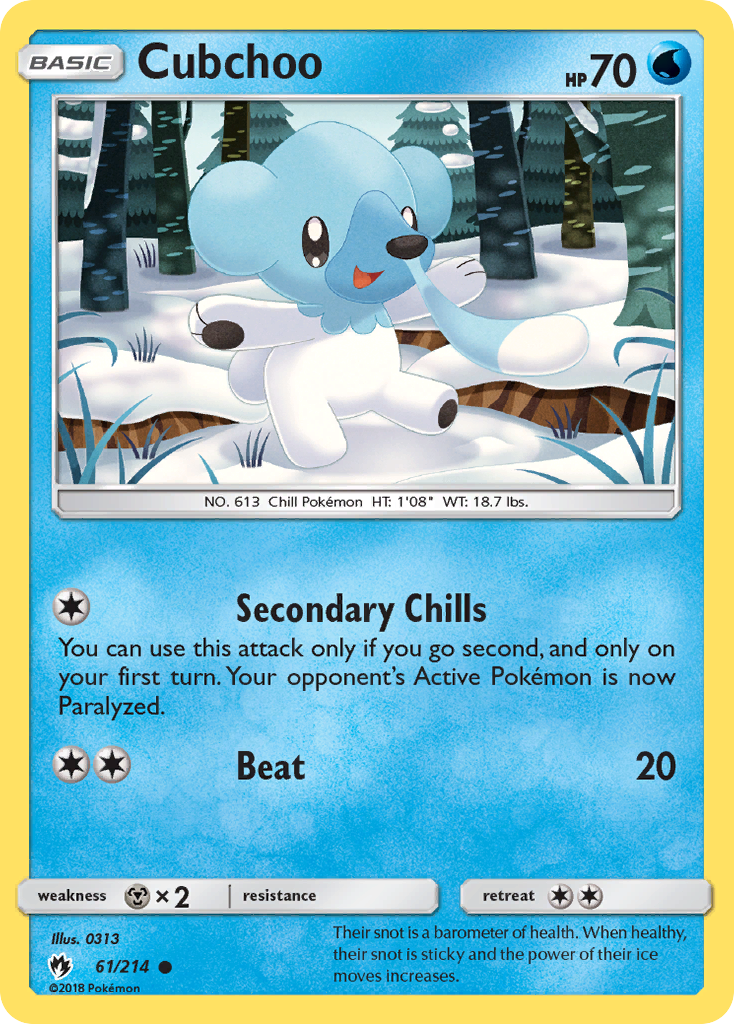
Cubchoo
Their snot is a barometer of health. When healthy, their snot is sticky and the power of their ice moves increases.
You can use this attack only if you go second, and only on your first turn. Your opponent’s Active Pokémon is now Paralyzed.
| Supertype | Pokémon |
|---|---|
| Subtype | Basic |
| HP | 70 |
| Types | Water |
| Attack | Secondary Chills |
| Attack cost | Colorless |
| Artist | 0313 |
| Rarity | Common |
| Pokédex | 613 |
| Evolves to | Beartic |
Vendor Information
- Store Name: DutchGem
- Vendor: DutchGem
-
Address:
gekkestraat
179
2345GT Utrecht
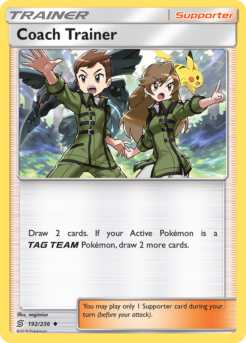
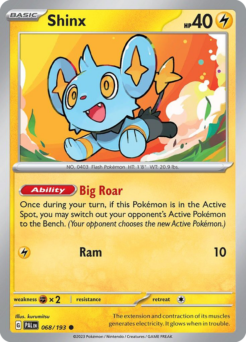
Paldea Evolved
The extension and contraction of its muscles generates electricity. It glows when in trouble.
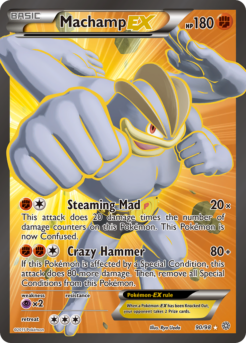
Ancient Origins
This attack does 20 damage times the number of damage counters on this Pokémon. This Pokémon is now Confused.
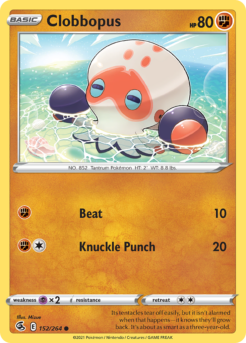
Fusion Strike
Its tentacles tear off easily, but it isn't alarmed when that happens—it knows they'll grow back. It's about as smart as a three-year-old.
Related products
Sun & Moon
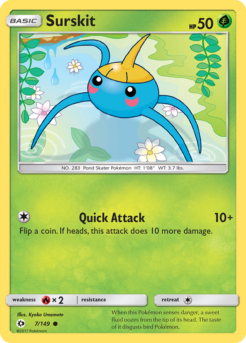
When this Pokémon senses danger, a sweet fluid oozes from the tip of its heads. The taste of it disgusts bird Pokémon.
Sun & Moon
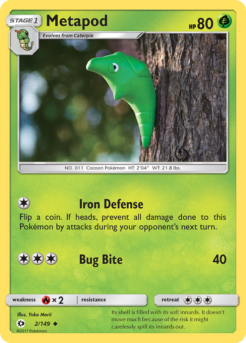
Its shell is filled with its soft innards. It doesn't move much because of the risk it might carelessly spill its innards out.
Sun & Moon
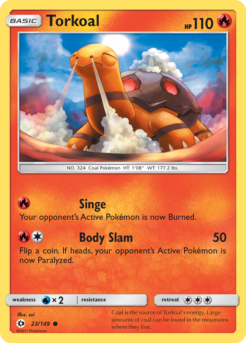
Coal is the source of Torkoal's energy. Large amounts of coal can be found in the mounts where they live.
Sun & Moon
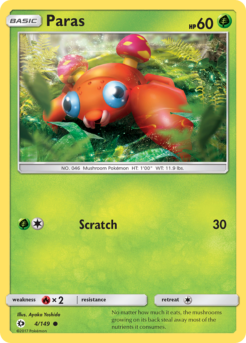
No matter how much it eats, the mushrooms growing on its back steal away most of the nutrients it consumes.
Sun & Moon
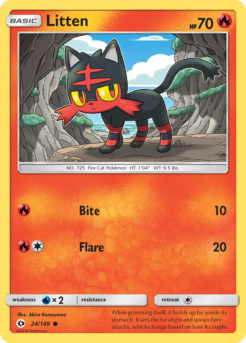
While grooming itself, it builds up fur inside its stomach. It sets the fur alight and spews fiery attacks, which change based on how it coughs.
Sun & Moon
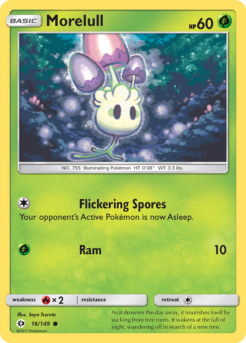
As it drowses the day away, it nourishes itself by sucking from tree roots. It wakens at the fall of night, wandering off in search of a new tree.
Sun & Moon
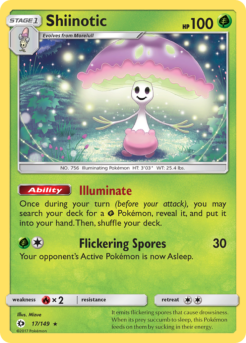
It emits flickering spores that cause drowsiness. When its prey succumb to sleep, this Pokémon feeds on them by sucking in their energy.
Sun & Moon
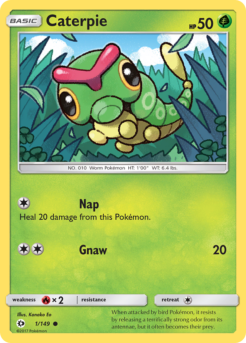
When attacked by bird Pokémon, it resists by releasing a terrifically strong odor from its antennae, but it often becomes their prey.