



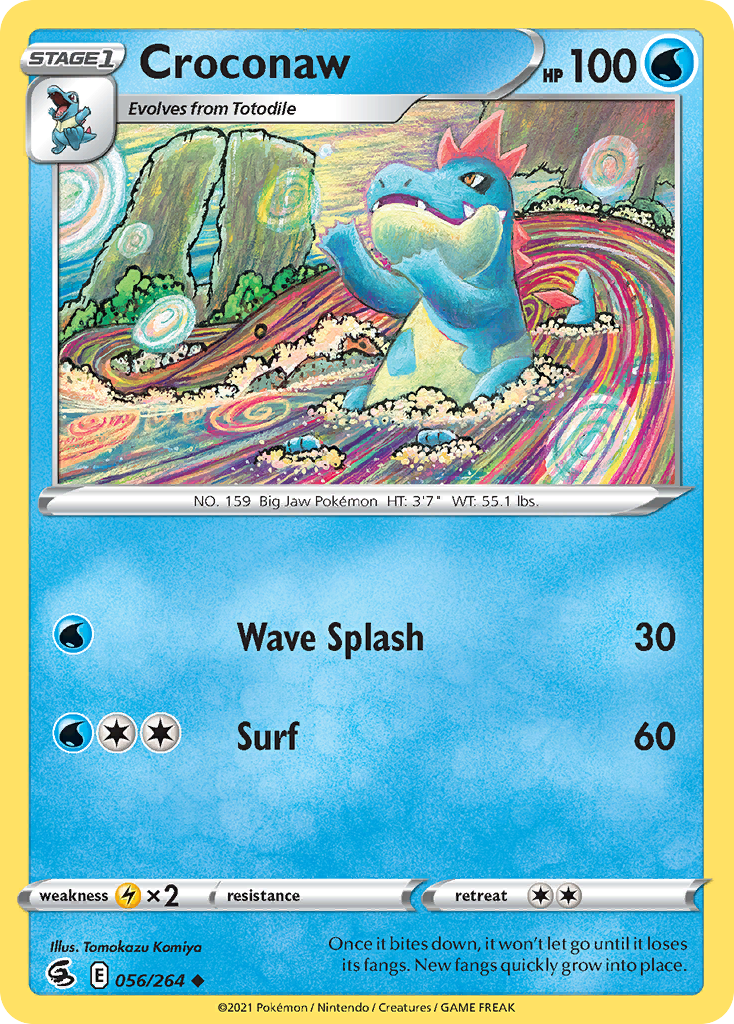
Croconaw
Once it bites down, it won’t let go until it loses its fangs. New fangs quickly grow into place.
| Supertype | Pokémon |
|---|---|
| Subtype | Stage 1 |
| HP | 100 |
| Types | Water |
| Attack | Wave Splash |
| Attack cost | Water |
| Artist | Tomokazu Komiya |
| Rarity | Uncommon |
| Pokédex | 159 |
| Evolves from | Totodile |
| Evolves to | Feraligatr |
Vendor Information
- Store Name: DutchGem
- Vendor: DutchGem
-
Address:
gekkestraat
179
2345GT Utrecht
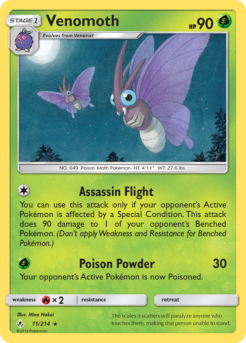
Sun & Moon
The scales it scatters will paralyze anyone who touches them, making that person unable to stand.
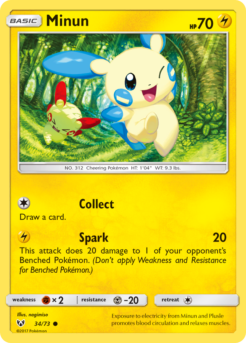
Shining Legends
Exposure to electricity from Minun and Plusle promotes blood circulation and relaxes muscles.
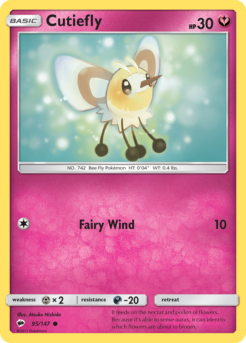
Burning Shadows
It feeds on the nectar and pollen of flowers. Because it's able to sense auras, it can identify which flowers are about to bloom.
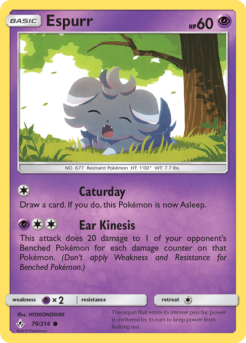
Sun & Moon
The organ that emits its intense psychic power is sheltered by its ears to keep power from leaking out.
Crimson Invasion
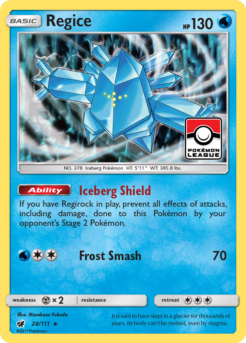
It is said to have slept in a glacier for thousands of years. Its body can't be melted, even by magma.
Related products
Sword & Shield
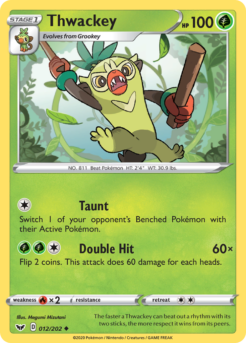
The faster a Thwackey can beat out a rhythm with its two sticks, the more respect it wins from its peers.
Sword & Shield
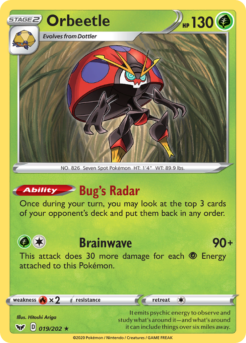
It emits psychic energy to observe and study what's around it—and what's around it can include things over six miles away.
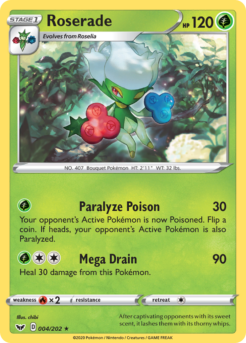
Sword & Shield
After captivating opponents with its sweet scent, it lashes them with its thorny whips.
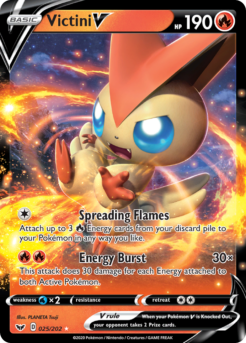
Sword & Shield
Attach up to 3 Fire Energy cards from your discard pile to your Pokémon in any way you like.
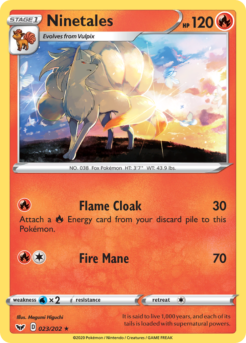
Sword & Shield
It is said to live 1,000 years, and each of its tails is loaded with supernatural powers.
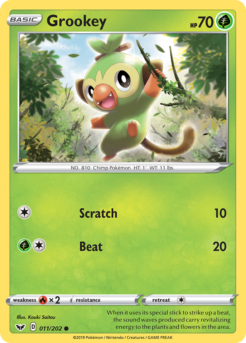
Sword & Shield
When it uses its special stick to strike up a beat, the sound waves produced carry revitalizing energy to the plants and flowers in the area.
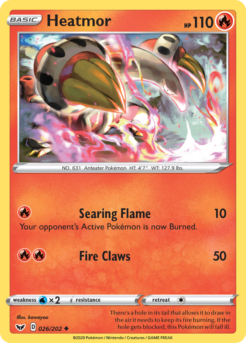
Sword & Shield
There's a hole in its tail that allows it to draw in the air it needs to keep its fire burning. If the hole gets blocked, this Pokémon will fall ill.
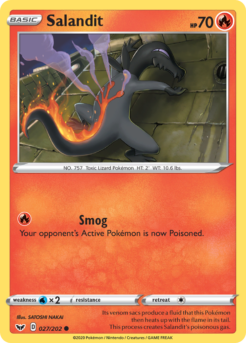
Sword & Shield
Its venom sacs produce a fluid that this Pokémon then heats up with the flame in its tail. This process creates Salandit's poisonous gas.