



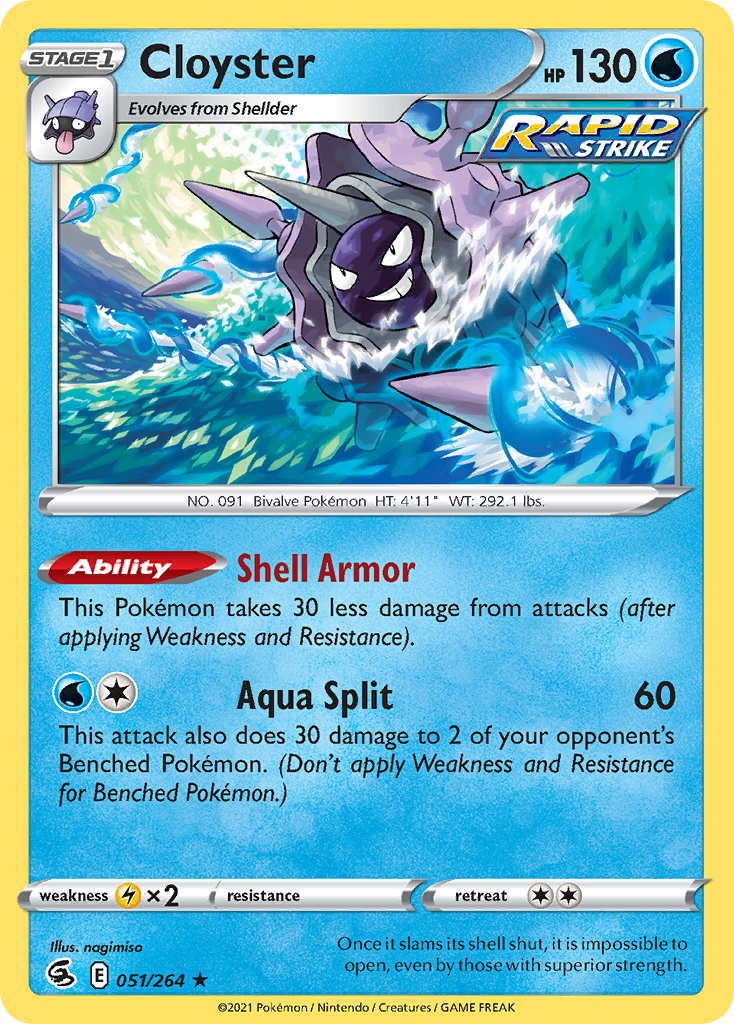
Cloyster
Once it slams its shell shut, it is impossible to open, even by those with superior strength.

This attack also does 30 damage to 2 of your opponent’s Benched Pokémon. (Don’t apply Weakness and Resistance for Benched Pokémon.)
| Supertype | Pokémon |
|---|---|
| Subtype | Stage 1 |
| HP | 130 |
| Types | Water |
| Attack | Aqua Split |
| Attack cost | Water |
| Artist | nagimiso |
| Rarity | Rare |
| Pokédex | 91 |
| Evolves from | Shellder |
Vendor Information
- Store Name: DutchGem
- Vendor: DutchGem
-
Address:
gekkestraat
179
2345GT Utrecht
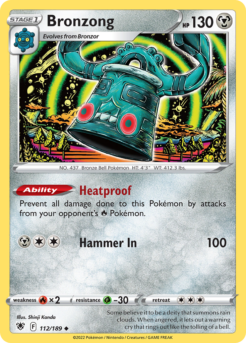
Astral Radiance
Some believe it to be a deity that summons rain clouds. When angered, it lets out a warning cry that rings out like the tolling of a bell.
Fusion Strike
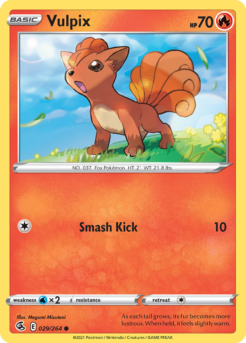
As each tail grows, its fur becomes more lustrous. When held, it feels slightly warm.
Sword & Shield
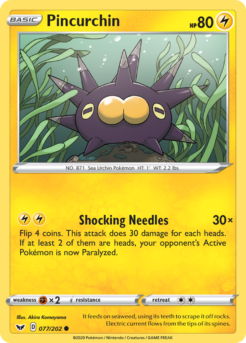
It feeds on seaweed, using its teeth to scrape it off rocks. Electric current flows from the tips of its spines.
Evolutions
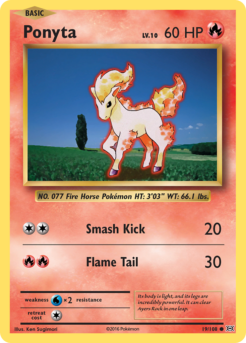
Its body is light, and its legs are incredibly powerful. It can clear Ayers Rock in one leap.
Related products
Sword & Shield
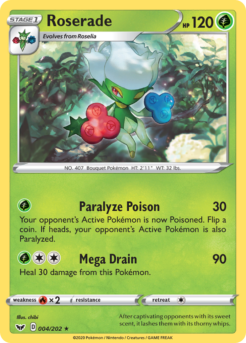
After captivating opponents with its sweet scent, it lashes them with its thorny whips.
Sword & Shield
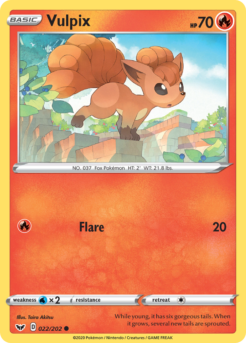
While young, it has six gorgeous tails. When it grows, several new tails are sprouted.
Sword & Shield
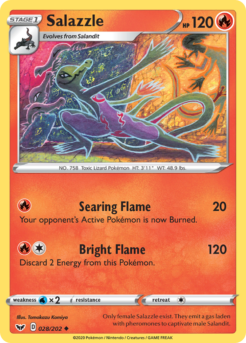
Only female Salazzle exist. They emit a gas laden with pheromones to captivate male Salandit.
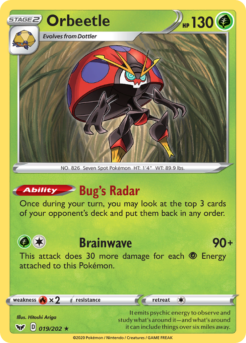
Sword & Shield
It emits psychic energy to observe and study what's around it—and what's around it can include things over six miles away.
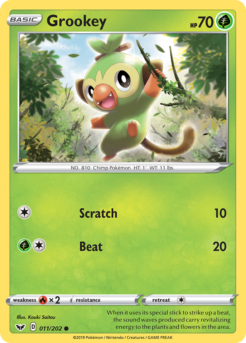
Sword & Shield
When it uses its special stick to strike up a beat, the sound waves produced carry revitalizing energy to the plants and flowers in the area.
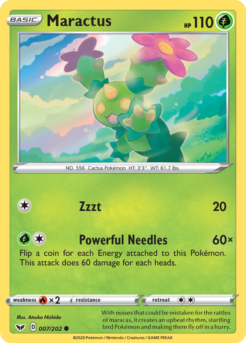
Sword & Shield
With noises that could be mistaken for the rattles of maracas, it creates an upbeat rhythm, startling bird Pokémon and making them fly off in a hurry.
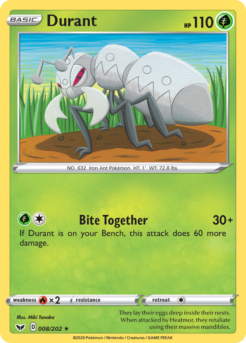
Sword & Shield
They lay their eggs deep inside their nests. When attacked by Heatmor, they retaliate using their massive mandibles.
Sword & Shield
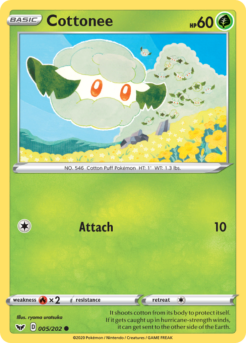
It shoots cotton from its body to protect itself. If it gets caught up in hurricane-strength winds, it can get sent to the other side of the Earth.