



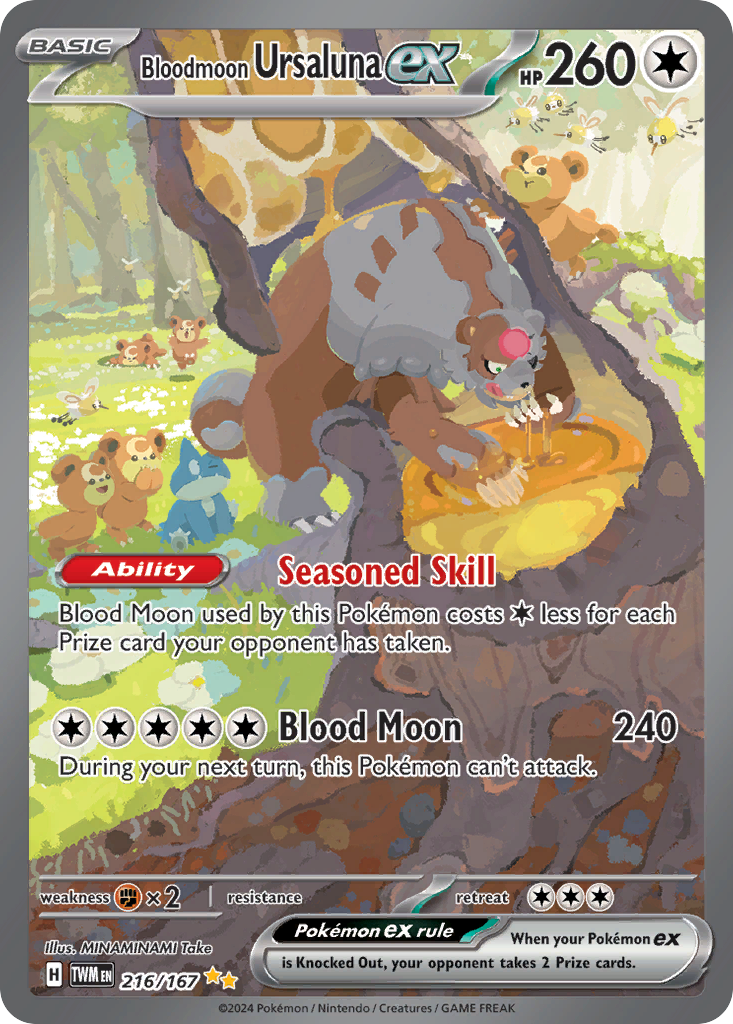


During your next turn, this Pokémon can’t attack.
| Supertype | Pokémon |
|---|---|
| Subtype | Basic |
| HP | 260 |
| Types | Colorless |
| Attack | Blood Moon |
| Attack cost | Colorless |
| Artist | MINAMINAMI Take |
| Rarity | Special Illustration Rare |
| Pokédex | 901 |
Vendor Information
- Store Name: DutchGem
- Vendor: DutchGem
-
Address:
gekkestraat
179
2345GT Utrecht
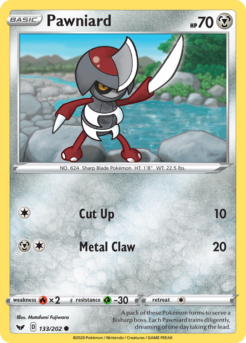
Sword & Shield
A pack of these Pokémon forms to serve a Bisharp boss. Each Pawniard trains diligently, dreaming of one day taking the lead.
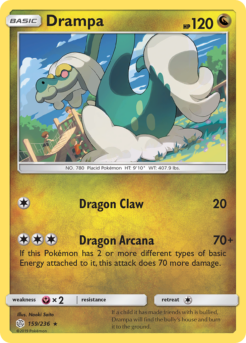
Cosmic Eclipse
If a child it has made friends with is bullied, Drampa will find the bully's house and burn it to the ground.
Scarlet & Violet
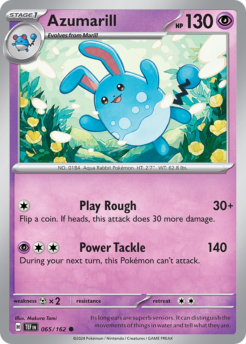
Its long ears are superb sensors. It can distinguish the movements of things in water and tell what they are.
Rebel Clash
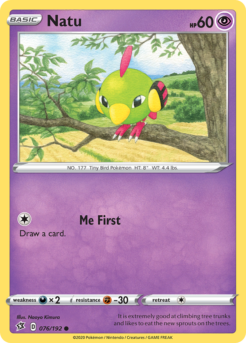
It is extremely good at climbing tree trunks and likes to eat the new sprouts on the trees.
Related products
Scarlet & Violet
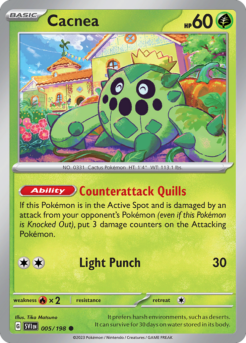
It prefers harsh environments, such as deserts. It can survive for 30 days on water stored in its body.
Scarlet & Violet
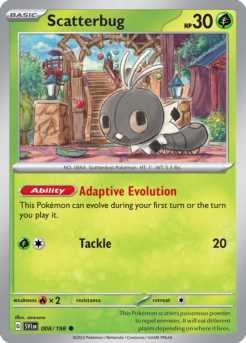
This Pokémon scatters poisonous powder to repel enemies. It will eat different plants depending on where it lives.
Scarlet & Violet
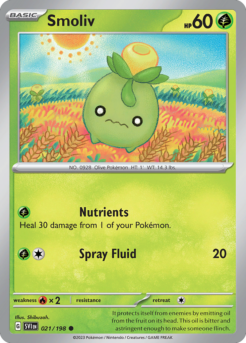
It protects itself from enemies by emitting oil from the fruit on its head. This oil is bitter and astringent enough to make someone flinch.
Scarlet & Violet
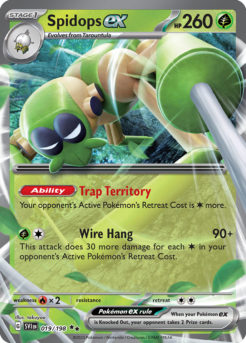
The thread it secretes from its rear is as strong as wire. The secret behind the thread's strength is the topic of ongoing research.
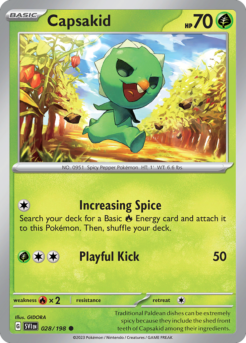
Scarlet & Violet
Traditional Paldean dishes can be extremely spicy because they include the shed front teeth of Capsakid among their ingredients.
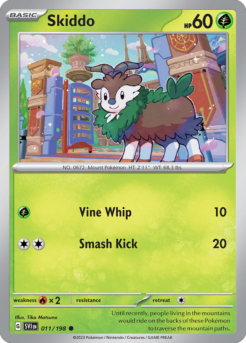
Scarlet & Violet
Until recently, people living in the mountains would ride on the back of these Pokémon to traverse the mountain paths.
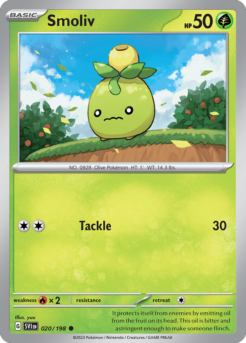
Scarlet & Violet
It protects itself from enemies by emitting oil from the fruit on its head. This oil is bitter and astringent enough to make someone flinch.
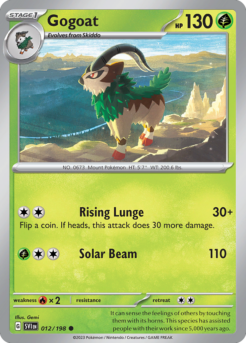
Scarlet & Violet
It can sense the feelings of others by touching them with its horns. This species has assisted people with their work since 5,000 years ago.