



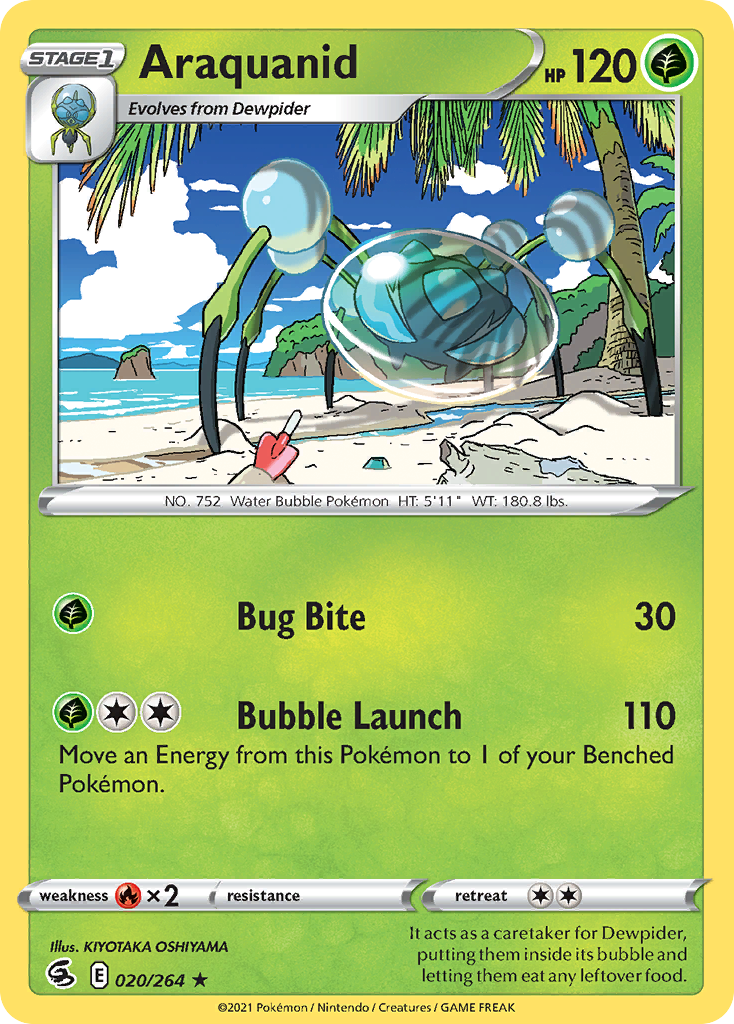
Araquanid
It acts as a caretaker for Dewpider, putting them inside its bubble and letting them eat any leftover food.
| Supertype | Pokémon |
|---|---|
| Subtype | Stage 1 |
| HP | 120 |
| Types | Grass |
| Attack | Bug Bite |
| Attack cost | Grass |
| Artist | KIYOTAKA OSHIYAMA |
| Rarity | Rare |
| Pokédex | 752 |
| Evolves from | Dewpider |
Vendor Information
- Store Name: DutchGem
- Vendor: DutchGem
-
Address:
gekkestraat
179
2345GT Utrecht
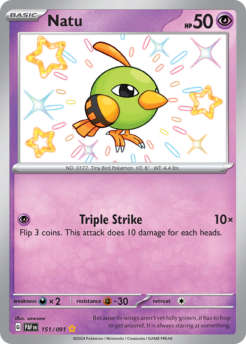
Paldean Fates
Because its wings aren't yet fully grown, it has to hop to get around. It is always staring at something.
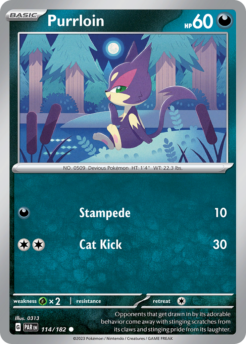
Paradox Rift
Opponents that get drawn in by its adorable behavior come away with stinging scratches from its claws and stinging pride from its laughter.
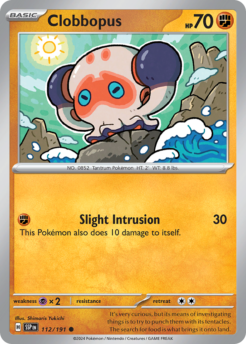
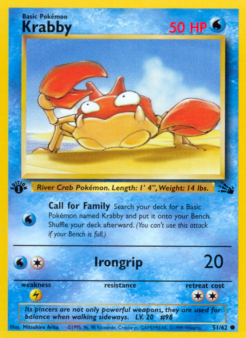
Base
Its pincers are not only powerful weapons, they are used for balance when walking sideways.
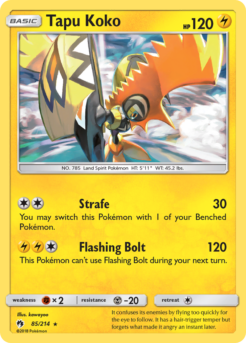
Lost Thunder
It confuses its enemies by flying too quickly for the eye to follow. It has a hair-trigger temper but forgets what made it angry an instant later.
Related products
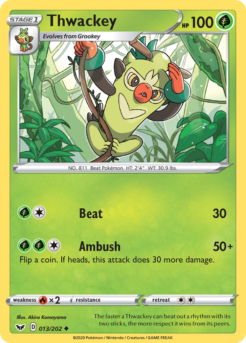
Sword & Shield
The faster a Thwackey can beat out a rhythm with its two sticks, the more respect it wins from its peers.
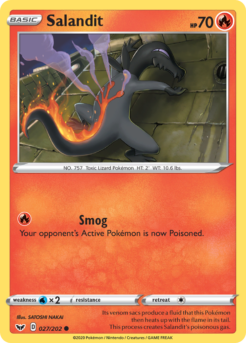
Sword & Shield
Its venom sacs produce a fluid that this Pokémon then heats up with the flame in its tail. This process creates Salandit's poisonous gas.
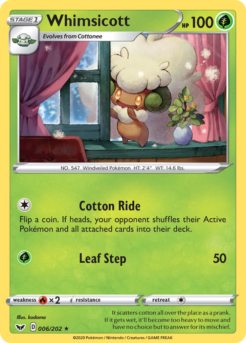
Sword & Shield
It scatters cotton all over the place as a prank. If it gets wet, it'll become too heavy to move and have no choice but to answer for its mischief.
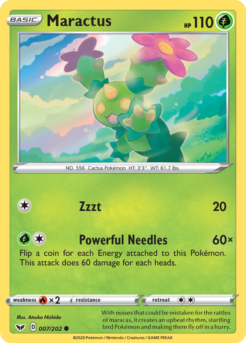
Sword & Shield
With noises that could be mistaken for the rattles of maracas, it creates an upbeat rhythm, startling bird Pokémon and making them fly off in a hurry.
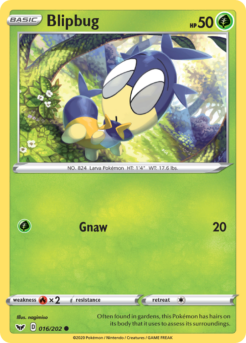
Sword & Shield
Often found in gardens, this Pokémon has hairs on its body that it uses to assess its surroundings.
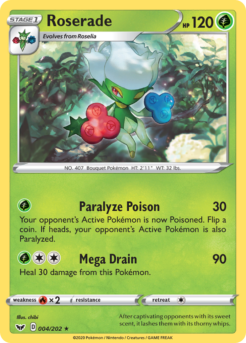
Sword & Shield
After captivating opponents with its sweet scent, it lashes them with its thorny whips.
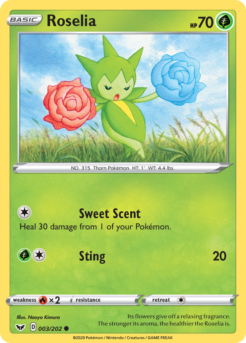
Sword & Shield
Its flowers give off a relaxing fragrance. The stronger its aroma, the healthier the Roselia is.
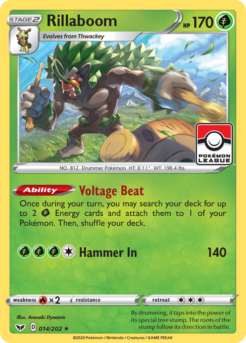
Sword & Shield
By drumming, it taps into the power of its special tree stump. The roots of the stump follow its direction in battle.