



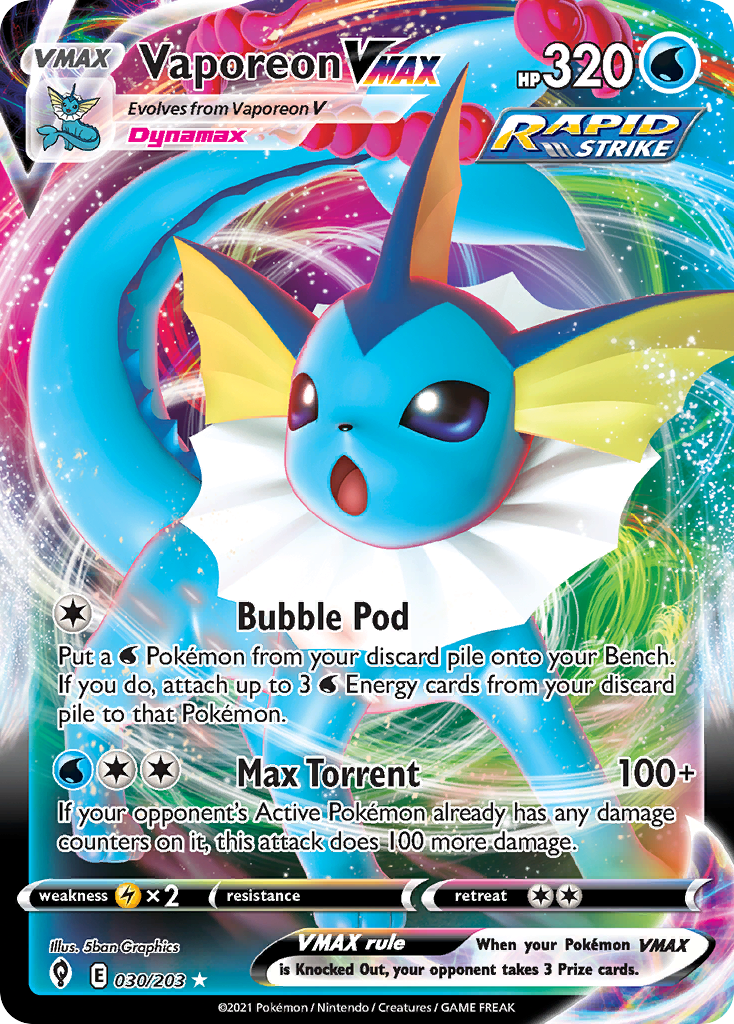

Put a Water Pokémon from your discard pile onto your Bench. If you do, attach up to 3 Water Energy cards from your discard pile to that Pokémon.
| Supertype | Pokémon |
|---|---|
| Subtype | VMAX |
| HP | 320 |
| Types | Water |
| Attack | Bubble Pod |
| Attack cost | Colorless |
| Artist | 5ban Graphics |
| Rarity | Rare Holo VMAX |
| Pokédex | 134 |
| Evolves from | Vaporeon V |
Vendor Information
- Store Name: DutchGem
- Vendor: DutchGem
-
Address:
gekkestraat
179
2345GT Utrecht
Silver Tempest
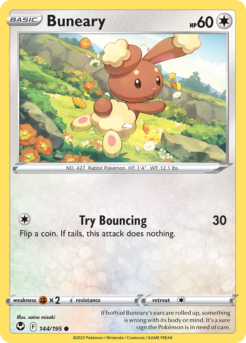
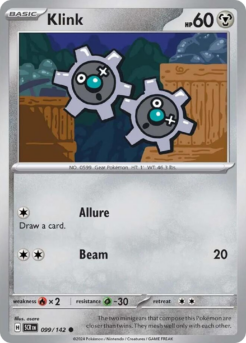
If both of Buneary's ears are rolled up, something is wrong with its body or mind. It's a sure sign the Pokémon is in need of care.

Primal Clash
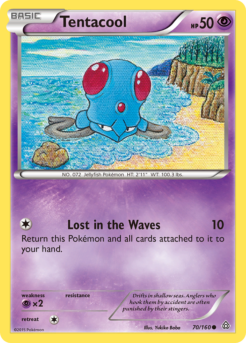
Drifts in shallow seas. Anglers who hook them by accident are often punished by their stingers.
Battle Styles
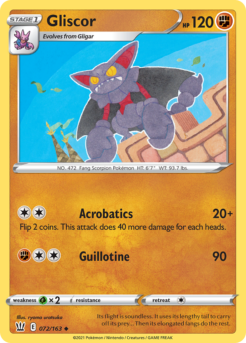
Its flight is soundless. It uses its lengthy tail to carry off its prey… Then its elongated fangs do the rest.
Sun & Moon
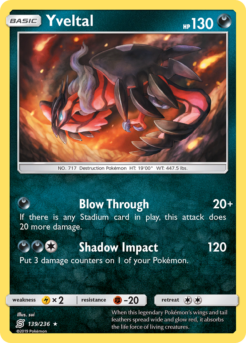
When this legendary Pokémon's wings and tail feathers spread wide and glow red, it absorbs the life force of living creatures.
Related products
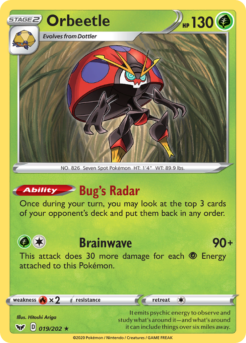
Sword & Shield
It emits psychic energy to observe and study what's around it—and what's around it can include things over six miles away.
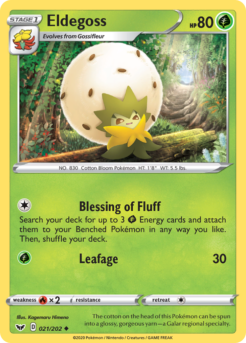
Sword & Shield
The cotton on the head of this Pokémon can be spun into a glossy, gorgeous yarn—a Galar regional specialty.
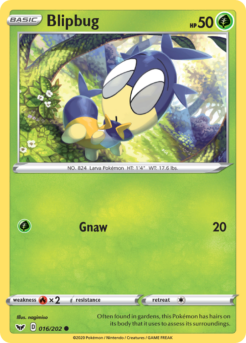
Sword & Shield
Often found in gardens, this Pokémon has hairs on its body that it uses to assess its surroundings.
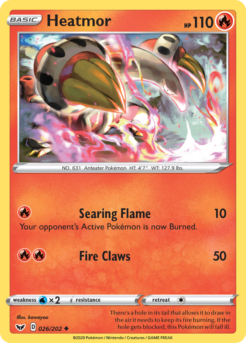
Sword & Shield
There's a hole in its tail that allows it to draw in the air it needs to keep its fire burning. If the hole gets blocked, this Pokémon will fall ill.
Sword & Shield
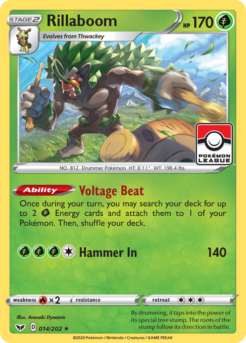
By drumming, it taps into the power of its special tree stump. The roots of the stump follow its direction in battle.
Sword & Shield
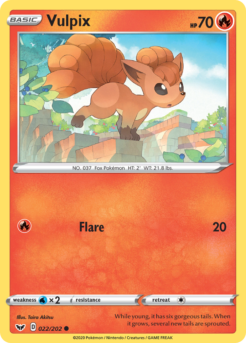
While young, it has six gorgeous tails. When it grows, several new tails are sprouted.
Sword & Shield
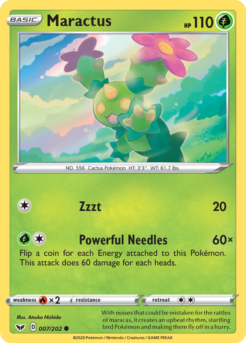
With noises that could be mistaken for the rattles of maracas, it creates an upbeat rhythm, startling bird Pokémon and making them fly off in a hurry.
Sword & Shield
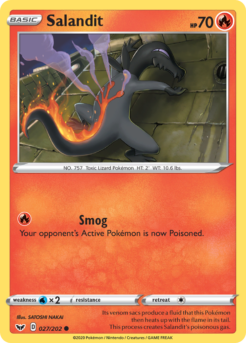
Its venom sacs produce a fluid that this Pokémon then heats up with the flame in its tail. This process creates Salandit's poisonous gas.