



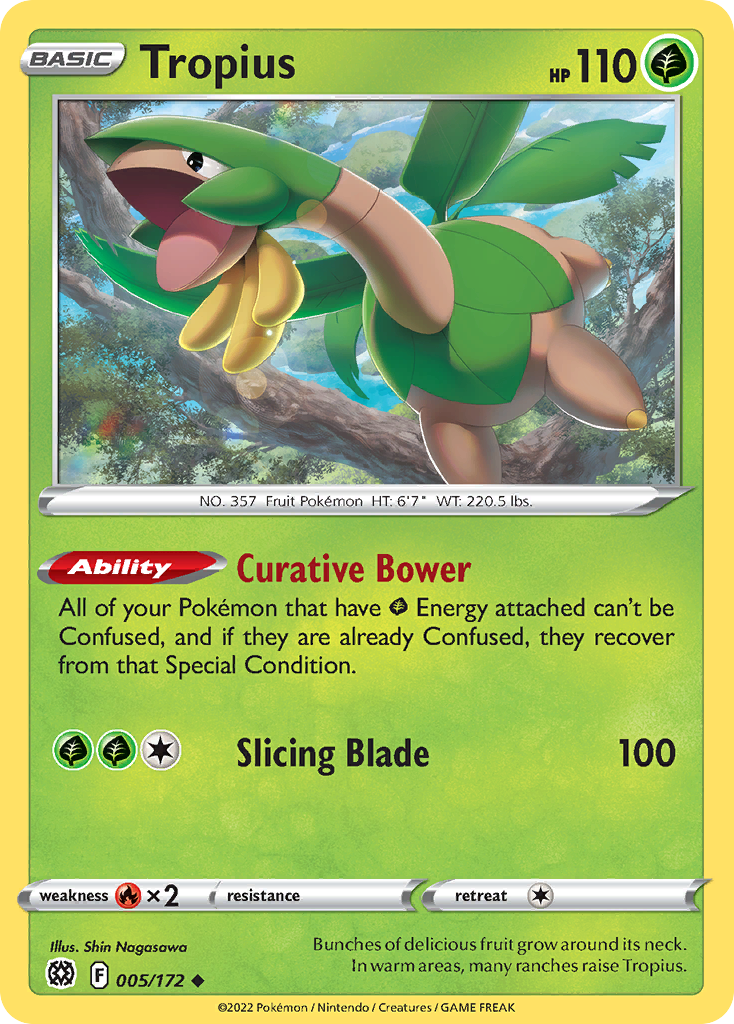
Tropius
Bunches of delicious fruit grow around its neck. In warm areas, many ranches raise Tropius.
| Supertype | Pokémon |
|---|---|
| Subtype | Basic |
| HP | 110 |
| Types | Grass |
| Attack | Slicing Blade |
| Attack cost | Grass |
| Artist | Shin Nagasawa |
| Rarity | Uncommon |
| Pokédex | 357 |
Vendor Information
- Store Name: DutchGem
- Vendor: DutchGem
-
Address:
gekkestraat
179
2345GT Utrecht
Paradox Rift
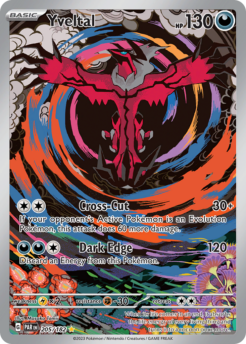
When its life comes to an end, it absorbs the life energy of every living thing and turns into a cocoon once more.
Fusion Strike
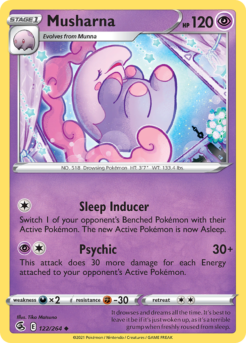
It drowses and dreams all the time. It's best to leave it be if it's just woken up, as it's a terrible grump when freshly roused from sleep.
Lost Origin
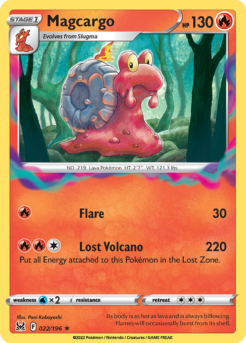
Its body is as hot as lava and is always billowing. Flames will occasionally burst from its shell.
Hidden Fates
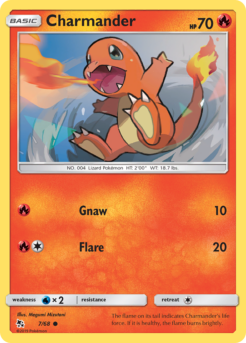
The flame on its tail indicates Charmander's life force. If it is healthy, the flame burns brightly.
Related products
Sword & Shield
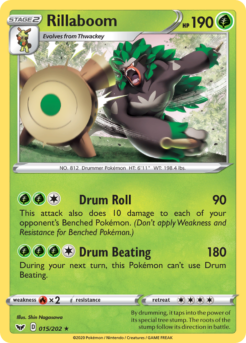
By drumming, it taps into the power of its special tree stump. The roots of the stump follow its direction in battle.
Sword & Shield
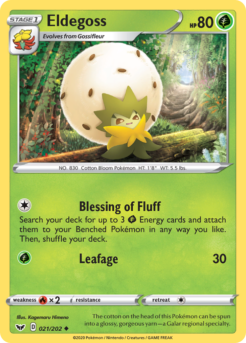
The cotton on the head of this Pokémon can be spun into a glossy, gorgeous yarn—a Galar regional specialty.
Sword & Shield
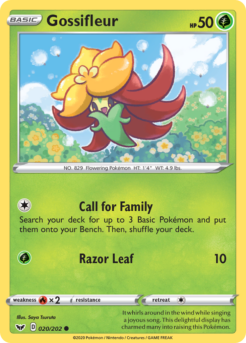
It whirls around in the wind while singing a joyous song. This delightful display has charmed many into raising this Pokémon.
Sword & Shield
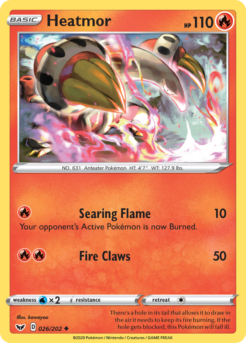
There's a hole in its tail that allows it to draw in the air it needs to keep its fire burning. If the hole gets blocked, this Pokémon will fall ill.
Sword & Shield
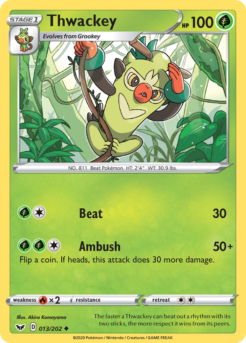
The faster a Thwackey can beat out a rhythm with its two sticks, the more respect it wins from its peers.

Sword & Shield
Attach up to 3 Fire Energy cards from your discard pile to your Pokémon in any way you like.
Sword & Shield
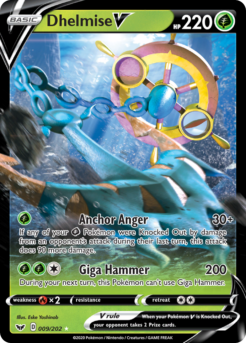
If any of your Grass Pokémon were Knocked Out by damage from an opponent’s attack during their last turn, this attack does 90 more damage.
Sword & Shield
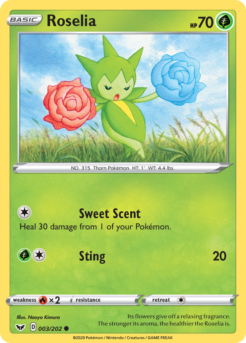
Its flowers give off a relaxing fragrance. The stronger its aroma, the healthier the Roselia is.