



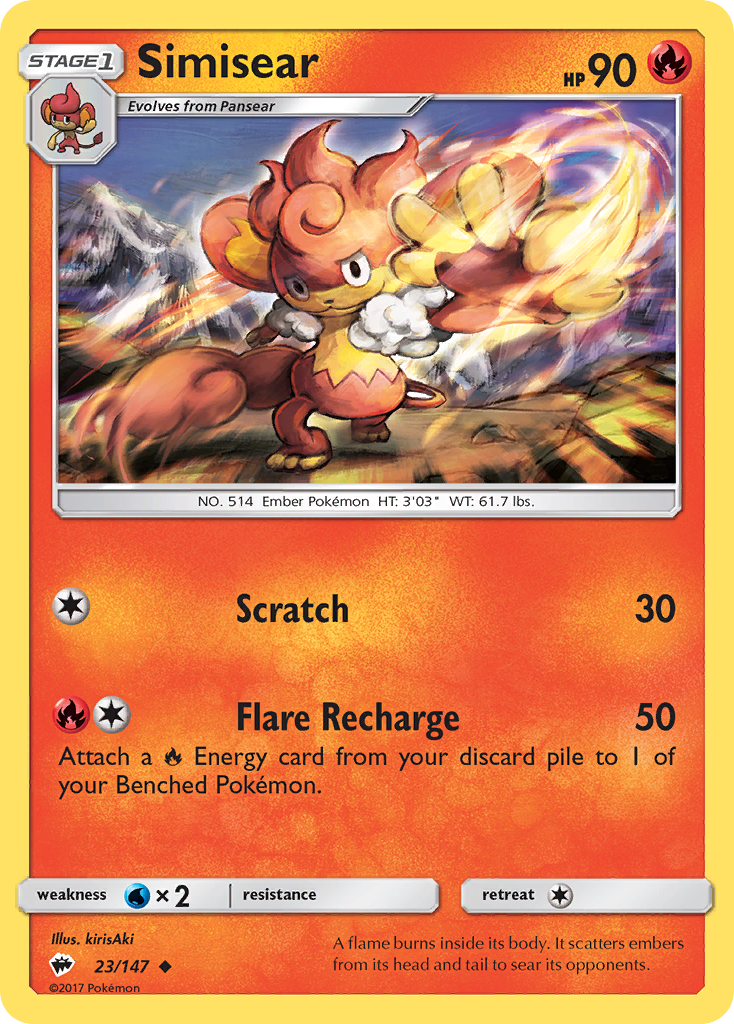
Simisear
A flame burns inside its body. It scatters embers from its head and tail to sear its opponents.

| Supertype | Pokémon |
|---|---|
| Subtype | Stage 1 |
| HP | 90 |
| Types | Fire |
| Attack | Scratch |
| Attack cost | Colorless |
| Artist | kirisAki |
| Rarity | Uncommon |
| Pokédex | 514 |
| Evolves from | Pansear |
Vendor Information
- Store Name: DutchGem
- Vendor: DutchGem
-
Address:
gekkestraat
179
2345GT Utrecht
Sun & Moon
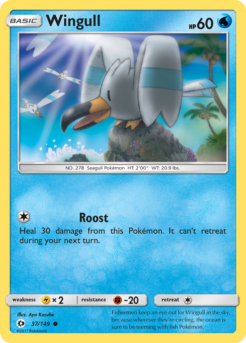
Fishermen keep an eye out for Wingull in the sky, because wherever they're circling, the ocean sure to be is teeming with fish Pokémon.
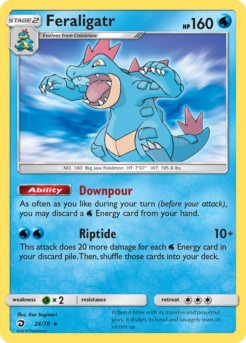
Dragon Majesty
When it bites with its massive and powerful jaws, it shakes its head and savagely tears its victim up.
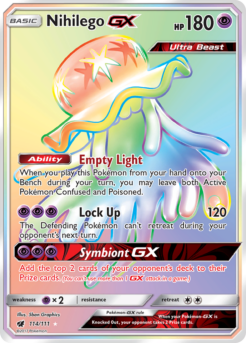

Sun & Moon
If your opponent’s Pokémon-GX or Pokémon-EX is Knocked Out by damage from this attack, take 1 more Prize card.
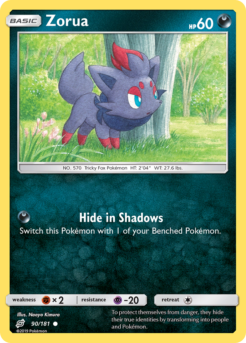
Sun & Moon
To protect themselves from danger, they hide their true identities by transforming into people and Pokémon.
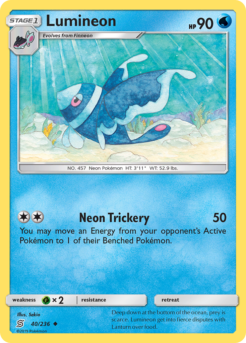
Sun & Moon
Deep down at the bottom of the ocean, prey is scarce. Lumineon get into fierce disputes with Lanturn over food.
Related products
Sun & Moon
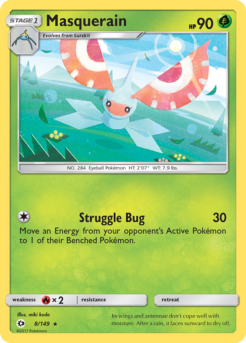
Its wings and antennae don't cope well with moisture. After a rain, it faces sunward to dry off.
Sun & Moon
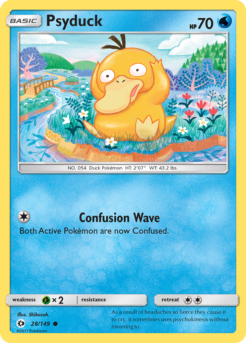
As a result of headaches so fierce they cause it to cry, it sometimes uses psychokinesis without meaning to.
Sun & Moon
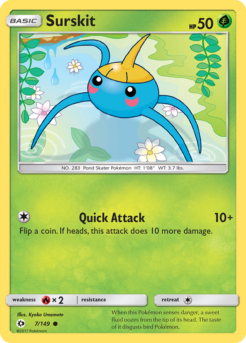
When this Pokémon senses danger, a sweet fluid oozes from the tip of its heads. The taste of it disgusts bird Pokémon.
Sun & Moon
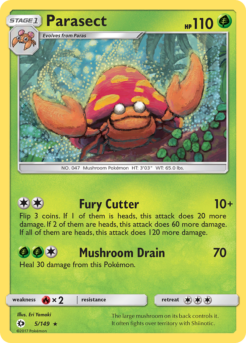
The large mushroom on its back controls it. It often fights over territory with Shiinotic.
Sun & Moon
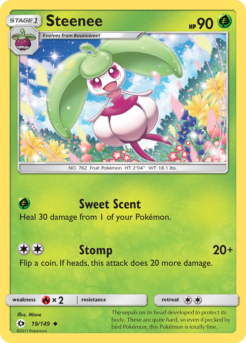
The sepals on its head developed to protect its body. These are quite hard, so even if pecked by bird Pokémon, this Pokémon is totally fine.
Sun & Moon
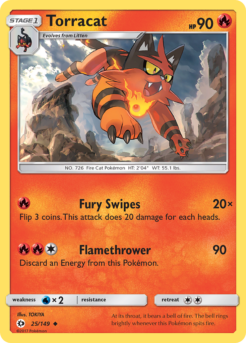
At its throat, it bears a bell of fire. The bell rings brightly whenever this Pokémon spits fire.
Sun & Moon
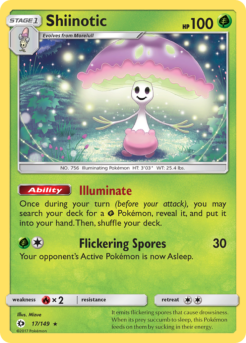
It emits flickering spores that cause drowsiness. When its prey succumb to sleep, this Pokémon feeds on them by sucking in their energy.
Sun & Moon
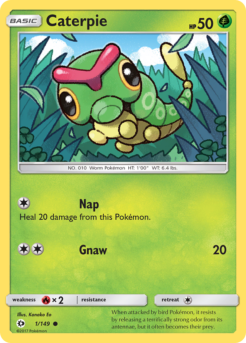
When attacked by bird Pokémon, it resists by releasing a terrifically strong odor from its antennae, but it often becomes their prey.