



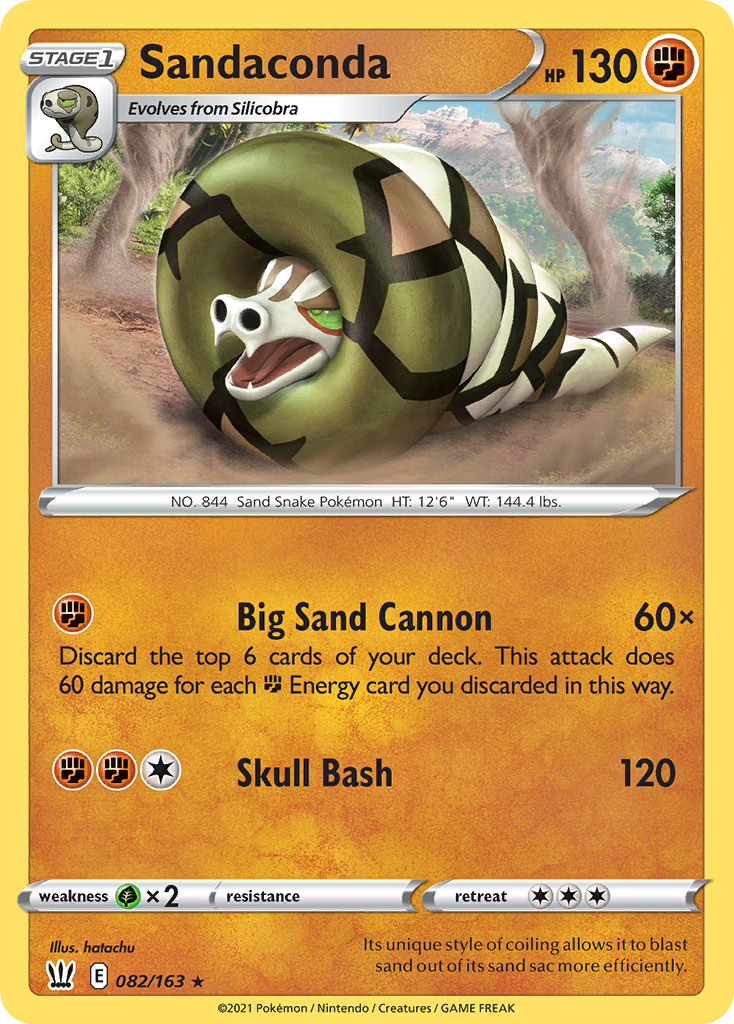
Sandaconda

Its unique style of coiling allows it to blast sand out of its sand sac more efficiently.

Discard the top 6 cards of your deck. This attack does 60 damage for each Fighting Energy card you discarded in this way.
| Supertype | Pokémon |
|---|---|
| Subtype | Stage 1 |
| HP | 130 |
| Types | Fighting |
| Attack | Big Sand Cannon |
| Attack cost | Fighting |
| Artist | hatachu |
| Rarity | Rare Holo |
| Pokédex | 844 |
| Evolves from | Silicobra |
Vendor Information
- Store Name: DutchGem
- Vendor: DutchGem
-
Address:
gekkestraat
179
2345GT Utrecht
Crimson Invasion
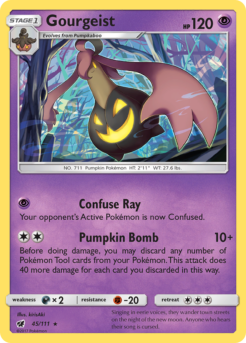
Singing in eerie voices, they wander town streets on the night of the new moon. Anyone who hears their song is cursed.
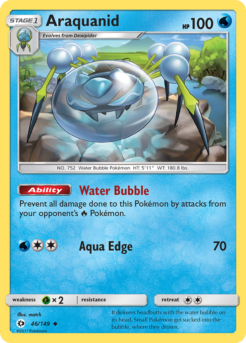
Sun & Moon
It delivers headbutts with the water bubble on its head. Small Pokémon get sucked into the bubble, where they drown.
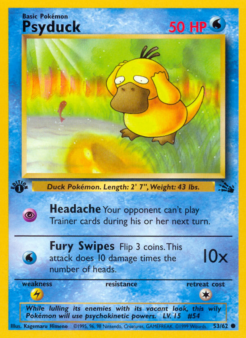
Base
While lulling its enemies with its vacant look, this wily Pokémon will use psychokinetic powers.
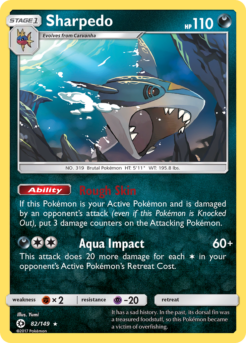
Sun & Moon
It has a sad history. In the past, its dorsal fin was a treasured foodstuff, so this Pokémon became a victim of overfishing.
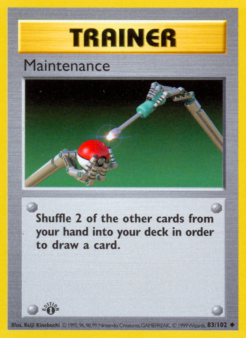
Related products
Sword & Shield
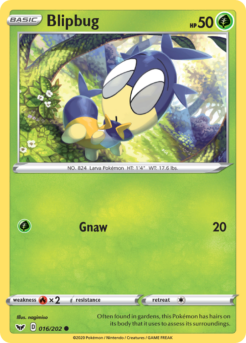
Often found in gardens, this Pokémon has hairs on its body that it uses to assess its surroundings.
Sword & Shield
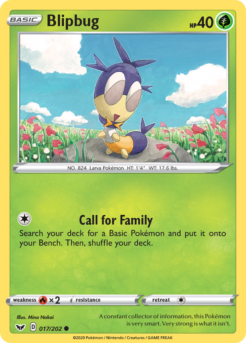
A constant collector of information, this Pokémon is very smart. Very strong is what it isn't.
Sword & Shield
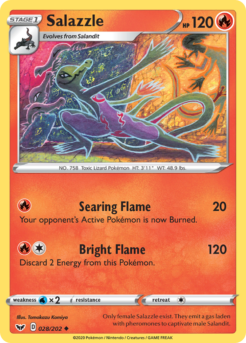
Only female Salazzle exist. They emit a gas laden with pheromones to captivate male Salandit.
Sword & Shield
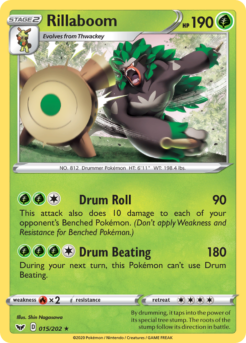
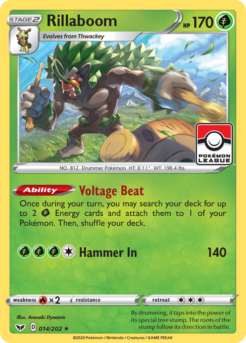
By drumming, it taps into the power of its special tree stump. The roots of the stump follow its direction in battle.
Sword & Shield
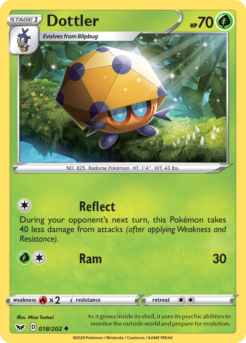
As it grows inside its shell, it uses its psychic abilities to monitor the outside world and prepare for evolution.
Sword & Shield
By drumming, it taps into the power of its special tree stump. The roots of the stump follow its direction in battle.
Sword & Shield
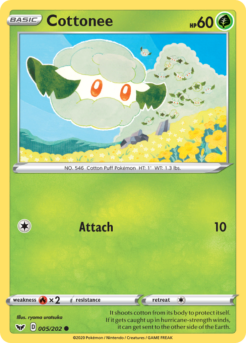
It shoots cotton from its body to protect itself. If it gets caught up in hurricane-strength winds, it can get sent to the other side of the Earth.
Sword & Shield
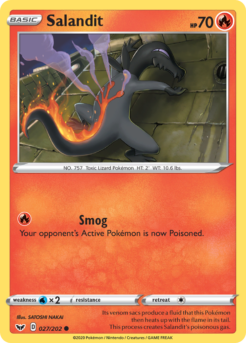
Its venom sacs produce a fluid that this Pokémon then heats up with the flame in its tail. This process creates Salandit's poisonous gas.