



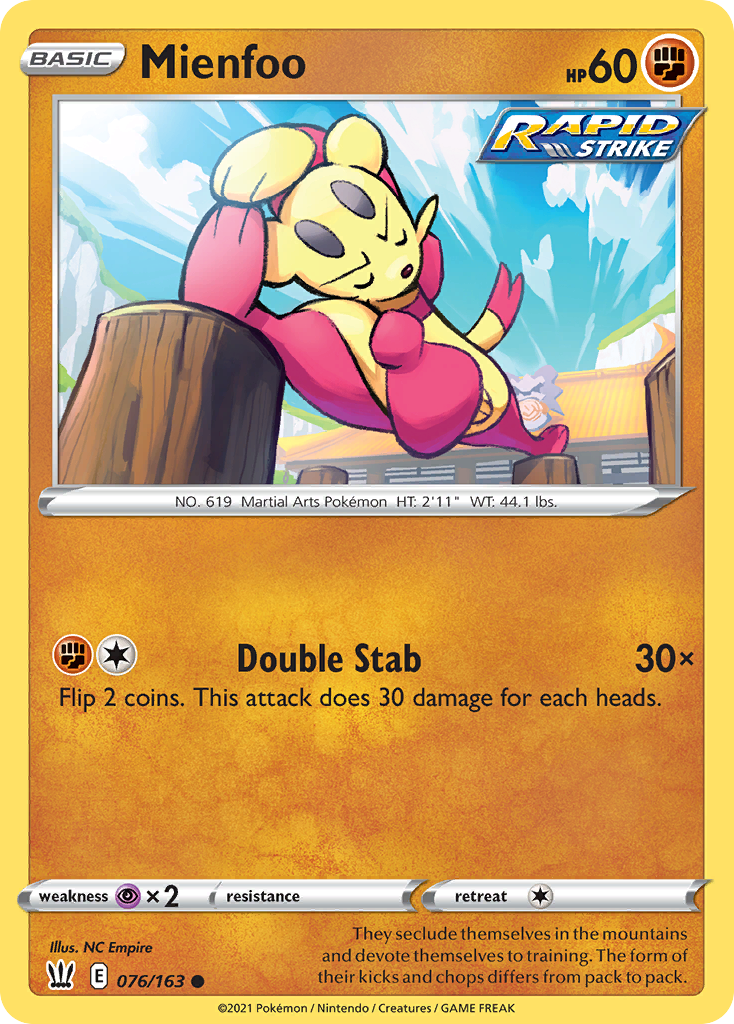
Mienfoo
They seclude themselves in the mountains and devote themselves to training. The form of their kicks and chops differs from pack to pack.
Flip 2 coins. This attack does 30 damage for each heads.
| Supertype | Pokémon |
|---|---|
| Subtype | Basic |
| HP | 60 |
| Types | Fighting |
| Attack | Double Stab |
| Attack cost | Fighting |
| Artist | NC Empire |
| Rarity | Common |
| Pokédex | 619 |
| Evolves to | Mienshao |
Vendor Information
- Store Name: DutchGem
- Vendor: DutchGem
-
Address:
gekkestraat
179
2345GT Utrecht
Base
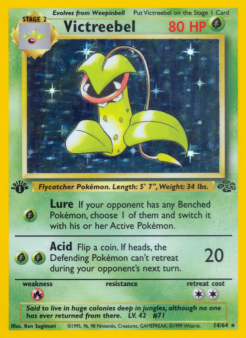
Said to live in huge colonies deep in jungles, although no one has ever returned from there.
Paldean Fates
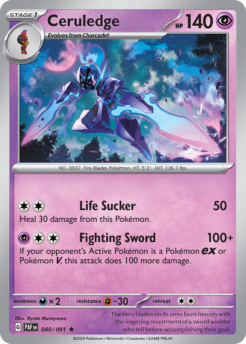
The fiery blades on its arms burn fiercely with the lingering resentment of a sword wielder who fell before accomplishing their goal.
Sun & Moon
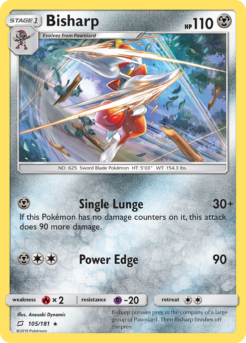
Bisharp pursues prey in the company of a large group of Pawniard. Then Bisharp finishes off the prey.
Sun & Moon
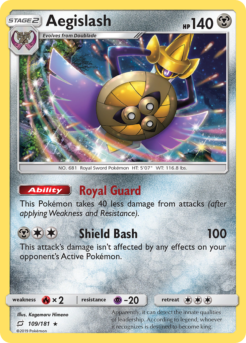
Apparently, it can detect the innate qualities of leadership. According to legend, whoever it recognizes is destined to become king.
Related products
Sword & Shield
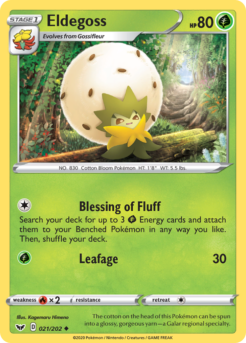
The cotton on the head of this Pokémon can be spun into a glossy, gorgeous yarn—a Galar regional specialty.
Sword & Shield
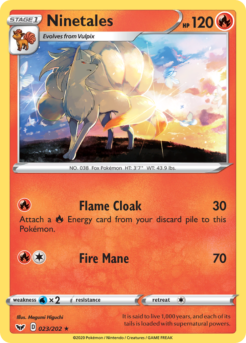
It is said to live 1,000 years, and each of its tails is loaded with supernatural powers.
Sword & Shield
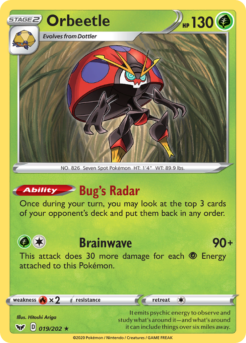
It emits psychic energy to observe and study what's around it—and what's around it can include things over six miles away.
Sword & Shield
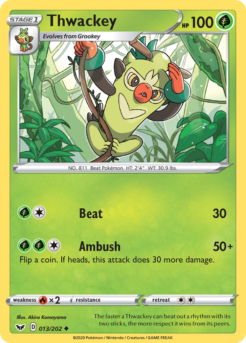
The faster a Thwackey can beat out a rhythm with its two sticks, the more respect it wins from its peers.
Sword & Shield
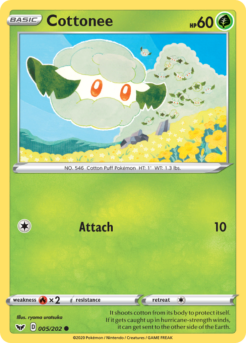
It shoots cotton from its body to protect itself. If it gets caught up in hurricane-strength winds, it can get sent to the other side of the Earth.
Sword & Shield
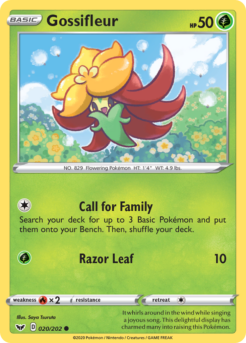
It whirls around in the wind while singing a joyous song. This delightful display has charmed many into raising this Pokémon.
Sword & Shield
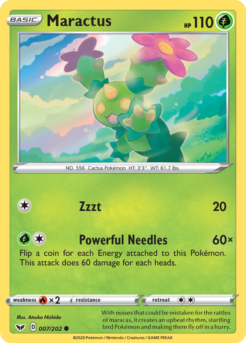
With noises that could be mistaken for the rattles of maracas, it creates an upbeat rhythm, startling bird Pokémon and making them fly off in a hurry.
Sword & Shield
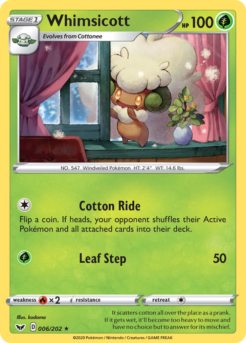
It scatters cotton all over the place as a prank. If it gets wet, it'll become too heavy to move and have no choice but to answer for its mischief.