


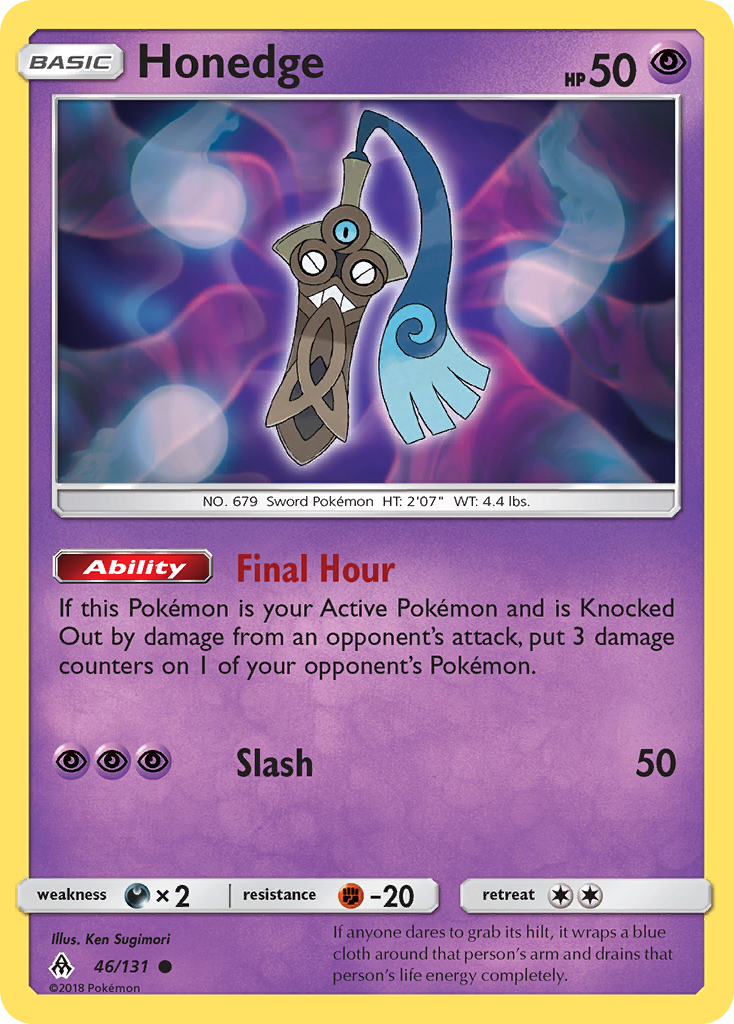
Honedge
If anyone dares to grab its hilt, it wraps a blue cloth around that person’s arm and drains that person’s life energy completely.
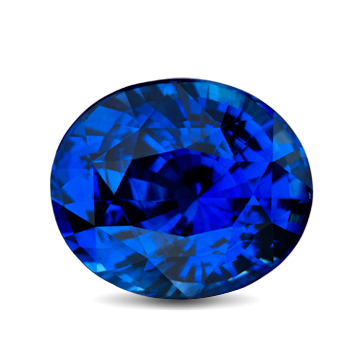
| Supertype | Pokémon |
|---|---|
| Subtype | Basic |
| HP | 50 |
| Types | Psychic |
| Attack | Slash |
| Attack cost | Psychic |
| Artist | Ken Sugimori |
| Rarity | Common |
| Pokédex | 679 |
| Evolves to | Doublade |
Vendor Information
- Store Name: DutchGem
- Vendor: DutchGem
-
Address:
gekkestraat
179
2345GT Utrecht
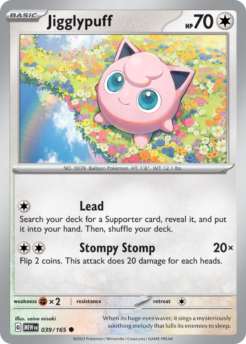
151
When its huge eyes waver, it sings a mysteriously soothing melody that lulls its enemies to sleep.
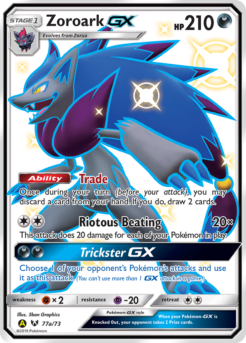
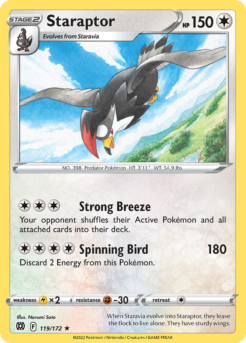
Brilliant Stars
When Staravia evolve into Staraptor, they leave the flock to live alone. They have sturdy wings.
Sword & Shield
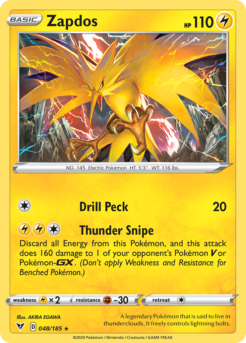
A legendary Pokémon that is said to live in thunderclouds. It freely controls lightning bolts.
Fates Collide
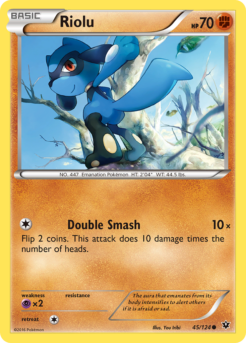
The aura that emanates from its body intensifies to alert others if it is afraid or sad.
Related products
Sun & Moon
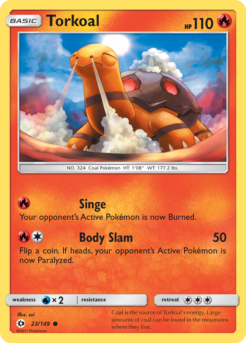
Coal is the source of Torkoal's energy. Large amounts of coal can be found in the mounts where they live.
Sun & Moon
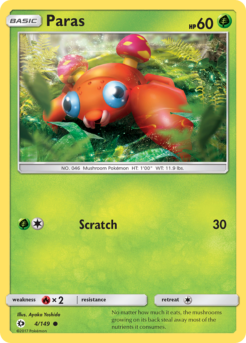
No matter how much it eats, the mushrooms growing on its back steal away most of the nutrients it consumes.
Sun & Moon
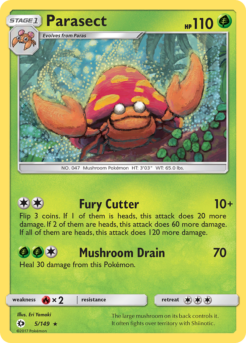
The large mushroom on its back controls it. It often fights over territory with Shiinotic.
Sun & Moon
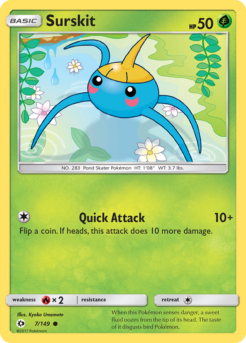
When this Pokémon senses danger, a sweet fluid oozes from the tip of its heads. The taste of it disgusts bird Pokémon.
Sun & Moon
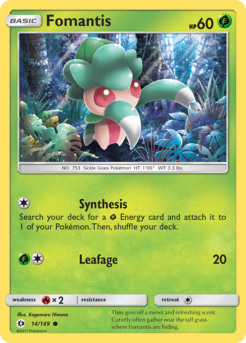
They give off a sweet and refreshing scent. Cutiefly often gather near the tall grass where Fomantis are hiding.
Sun & Moon
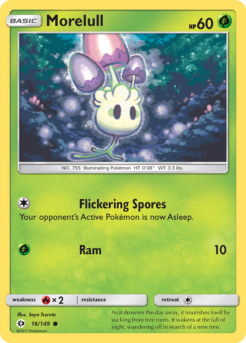
As it drowses the day away, it nourishes itself by sucking from tree roots. It wakens at the fall of night, wandering off in search of a new tree.
Sun & Moon
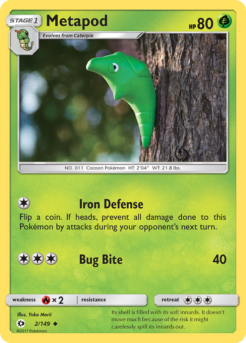
Its shell is filled with its soft innards. It doesn't move much because of the risk it might carelessly spill its innards out.