



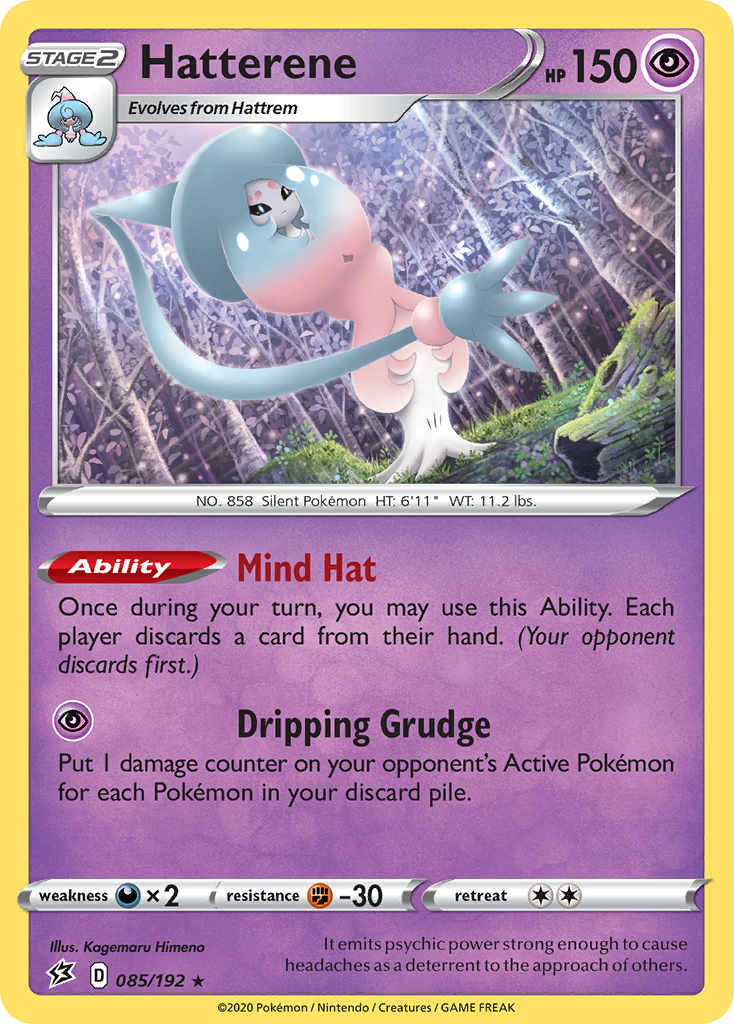
Hatterene


It emits psychic power strong enough to cause headaches as a deterrent to the approach of others.

Put 1 damage counter on your opponent’s Active Pokémon for each Pokémon in your discard pile.
| Supertype | Pokémon |
|---|---|
| Subtype | Stage 2 |
| HP | 150 |
| Types | Psychic |
| Attack | Dripping Grudge |
| Attack cost | Psychic |
| Artist | Kagemaru Himeno |
| Rarity | Rare Holo |
| Pokédex | 858 |
| Evolves from | Hattrem |
Vendor Information
- Store Name: DutchGem
- Vendor: DutchGem
-
Address:
gekkestraat
179
2345GT Utrecht


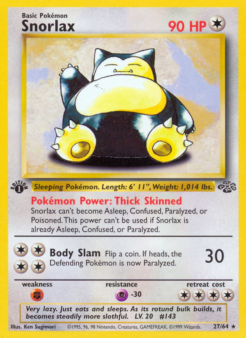
Base
Very lazy. Just eats and sleeps. As its rotund bulk builds, it becomes steadily more slothful.
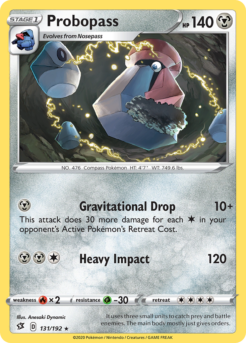
Rebel Clash
It uses three small units to catch prey and battle enemies. The main body mostly just gives orders.

Furious Fists
It can clear a 30-story building in a leap. Its fiery punches scorch its foes.
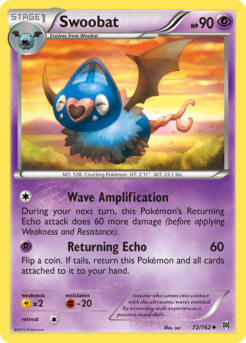
BREAKthrough
Anyone who comes into contact with the ultrasonic waves emitted by a courting male experiences a positive mood shift.
Related products
Sword & Shield
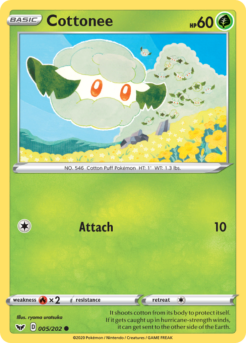
It shoots cotton from its body to protect itself. If it gets caught up in hurricane-strength winds, it can get sent to the other side of the Earth.
Sword & Shield
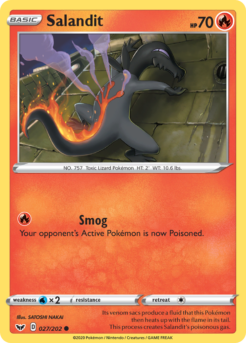
Its venom sacs produce a fluid that this Pokémon then heats up with the flame in its tail. This process creates Salandit's poisonous gas.
Sword & Shield
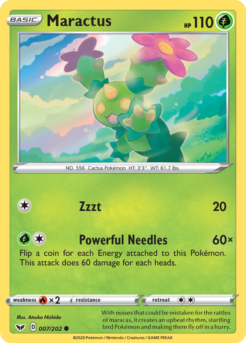
With noises that could be mistaken for the rattles of maracas, it creates an upbeat rhythm, startling bird Pokémon and making them fly off in a hurry.

Sword & Shield
Discard the top card of your deck. If that card is a Fire Energy card, this attack does 90 more damage.
Sword & Shield
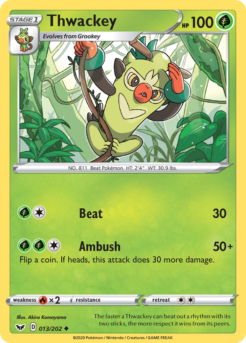
The faster a Thwackey can beat out a rhythm with its two sticks, the more respect it wins from its peers.
Sword & Shield
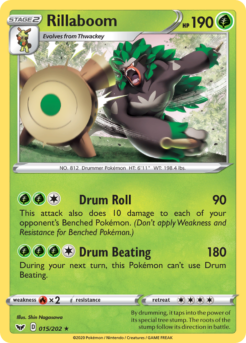
By drumming, it taps into the power of its special tree stump. The roots of the stump follow its direction in battle.
Sword & Shield
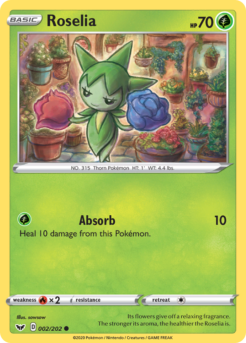
Its flowers give off a relaxing fragrance. The stronger its aroma, the healthier the Roselia is.
Sword & Shield
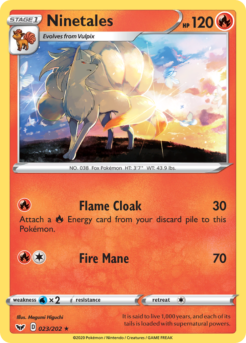
It is said to live 1,000 years, and each of its tails is loaded with supernatural powers.