



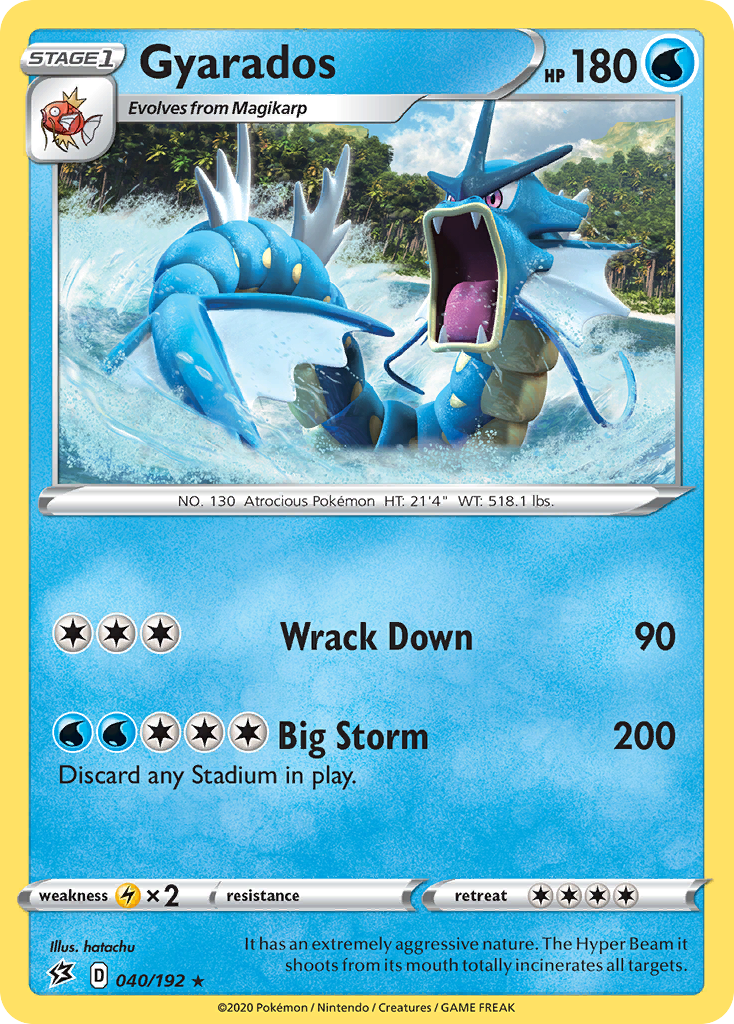
Gyarados
It has an extremely aggressive nature. The Hyper Beam it shoots from its mouth totally incinerates all targets.
| Supertype | Pokémon |
|---|---|
| Subtype | Stage 1 |
| HP | 180 |
| Types | Water |
| Attack | Wrack Down |
| Attack cost | Colorless |
| Artist | hatachu |
| Rarity | Rare Holo |
| Pokédex | 130 |
| Evolves from | Magikarp |
Vendor Information
- Store Name: DutchGem
- Vendor: DutchGem
-
Address:
gekkestraat
179
2345GT Utrecht
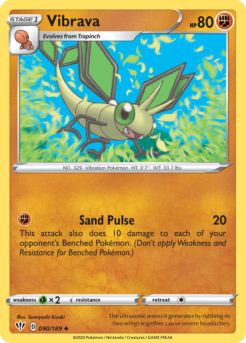
Darkness Ablaze
The ultrasonic waves it generates by rubbing its two wings together cause severe headaches.
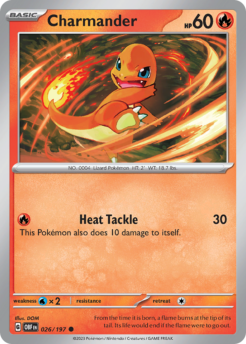
Obsidian Flames
From the time it is born, a flame burns at the tip of its tail. Its life would end if the flame were to go out.
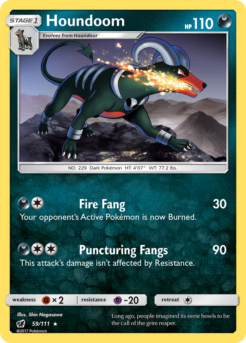
Crimson Invasion
Long ago, people imagined its eerie howls to be the call of the grim reaper.
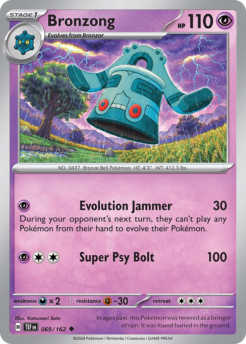
Scarlet & Violet
In ages past, this Pokémon was revered as a bringer of rain. It was found buried in the ground.
Related products
Sword & Shield
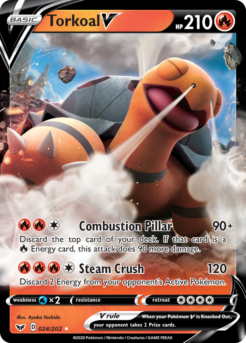
Discard the top card of your deck. If that card is a Fire Energy card, this attack does 90 more damage.
Sword & Shield
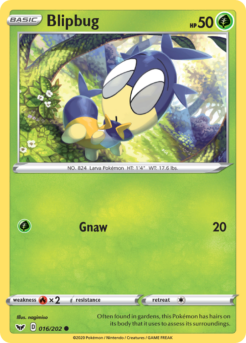
Often found in gardens, this Pokémon has hairs on its body that it uses to assess its surroundings.
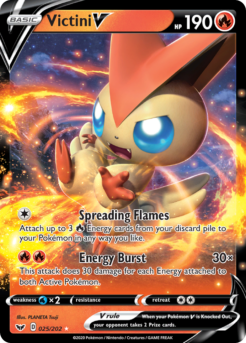
Sword & Shield
Attach up to 3 Fire Energy cards from your discard pile to your Pokémon in any way you like.
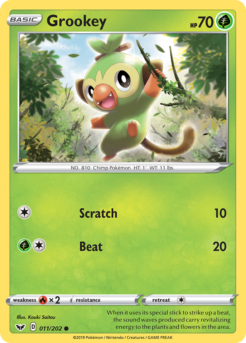
Sword & Shield
When it uses its special stick to strike up a beat, the sound waves produced carry revitalizing energy to the plants and flowers in the area.
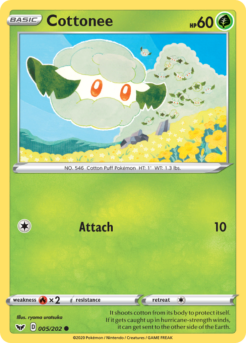
Sword & Shield
It shoots cotton from its body to protect itself. If it gets caught up in hurricane-strength winds, it can get sent to the other side of the Earth.
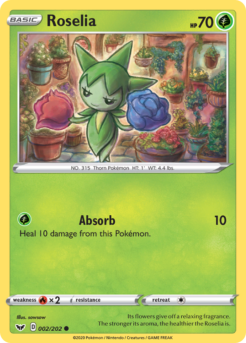
Sword & Shield
Its flowers give off a relaxing fragrance. The stronger its aroma, the healthier the Roselia is.
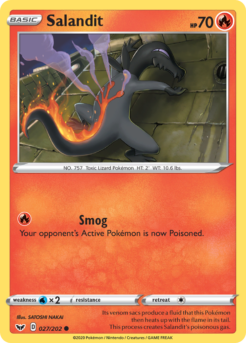
Sword & Shield
Its venom sacs produce a fluid that this Pokémon then heats up with the flame in its tail. This process creates Salandit's poisonous gas.
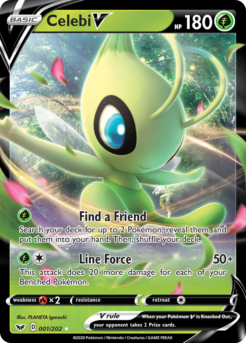
Sword & Shield
Search your deck for up to 2 Pokémon, reveal them, and put them into your hand. Then, shuffle your deck.