



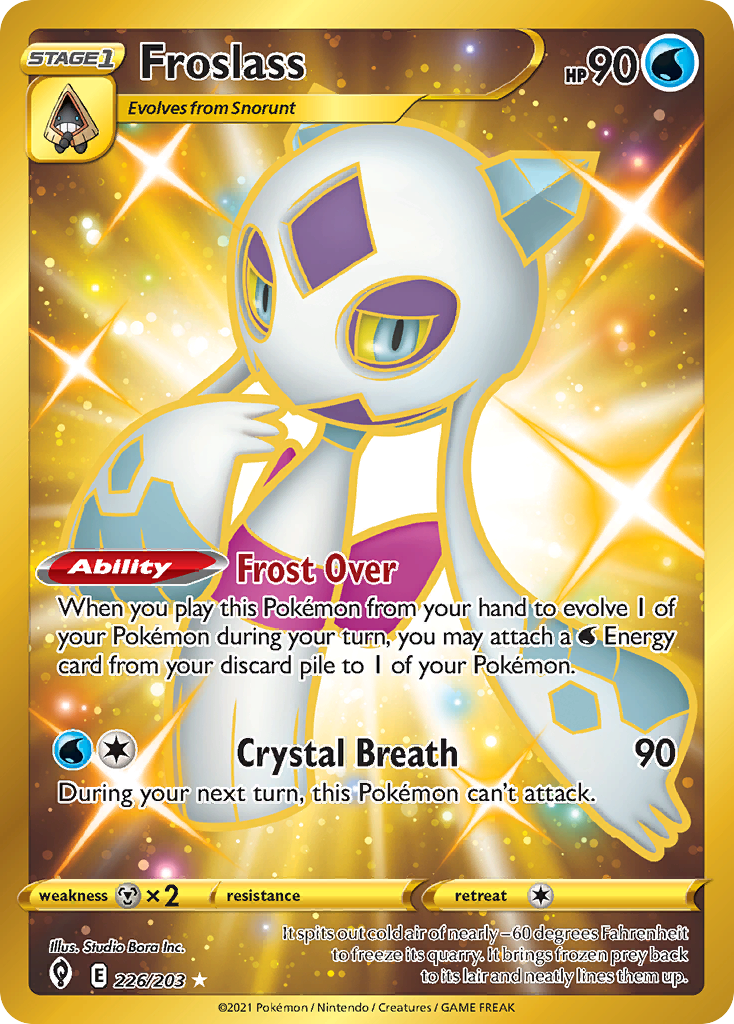
Froslass

It spits out cold air of nearly -60 degrees Fahrenheit to freeze its quarry. It brings frozen prey back to its lair and neatly lines them up.
During your next turn, this Pokémon can’t attack.
| Supertype | Pokémon |
|---|---|
| Subtype | Stage 1 |
| HP | 90 |
| Types | Water |
| Attack | Crystal Breath |
| Attack cost | Water |
| Artist | Studio Bora Inc. |
| Rarity | Rare Secret |
| Pokédex | 478 |
| Evolves from | Snorunt |
Vendor Information
- Store Name: DutchGem
- Vendor: DutchGem
-
Address:
gekkestraat
179
2345GT Utrecht
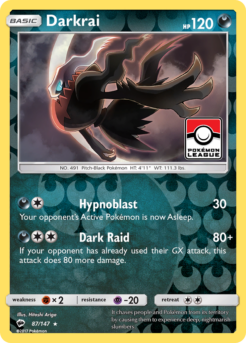
Burning Shadows
It chases people and Pokémon from its territory by causing them to experience deep, nightmarish slumbers.
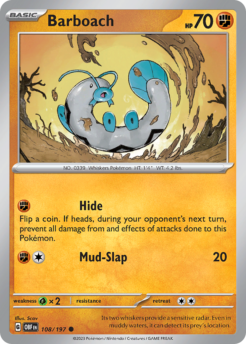
Obsidian Flames
Its two whiskers provide a sensitive radar. Even in muddy waters, it can detect its prey's location.
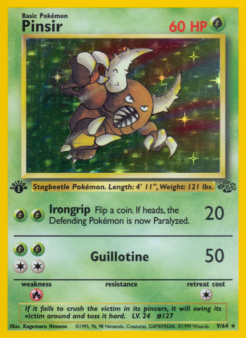
Base
If it fails to crush the victim in its pincers, it will swing its victim around and toss it hard.
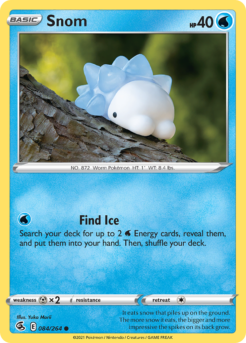
Fusion Strike
It eats snow that piles up on the ground. The more snow it eats, the bigger and more impressive the spikes on its back grow.
Related products
Sword & Shield
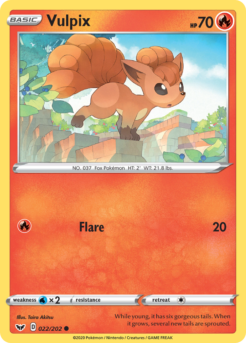
While young, it has six gorgeous tails. When it grows, several new tails are sprouted.
Sword & Shield
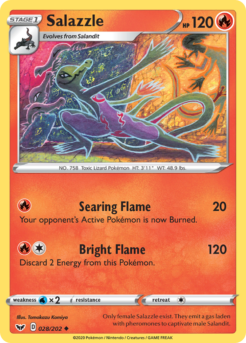
Only female Salazzle exist. They emit a gas laden with pheromones to captivate male Salandit.
Sword & Shield
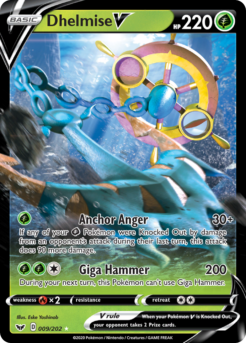
If any of your Grass Pokémon were Knocked Out by damage from an opponent’s attack during their last turn, this attack does 90 more damage.
Sword & Shield
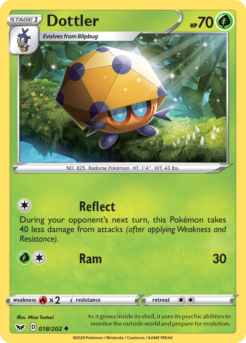
As it grows inside its shell, it uses its psychic abilities to monitor the outside world and prepare for evolution.
Sword & Shield
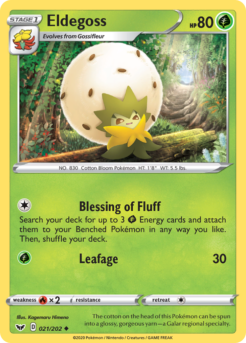
The cotton on the head of this Pokémon can be spun into a glossy, gorgeous yarn—a Galar regional specialty.
Sword & Shield
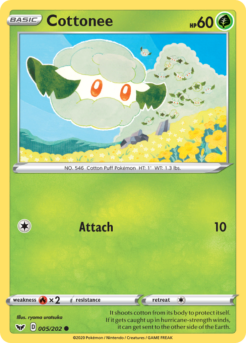
It shoots cotton from its body to protect itself. If it gets caught up in hurricane-strength winds, it can get sent to the other side of the Earth.
Sword & Shield
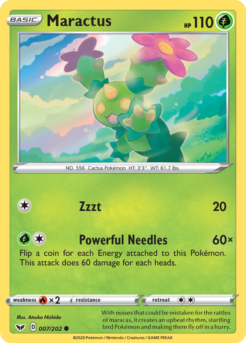
With noises that could be mistaken for the rattles of maracas, it creates an upbeat rhythm, startling bird Pokémon and making them fly off in a hurry.
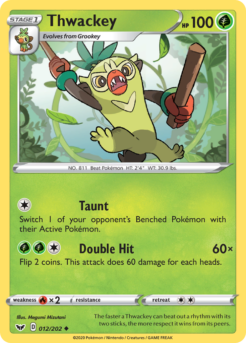
Sword & Shield
The faster a Thwackey can beat out a rhythm with its two sticks, the more respect it wins from its peers.