



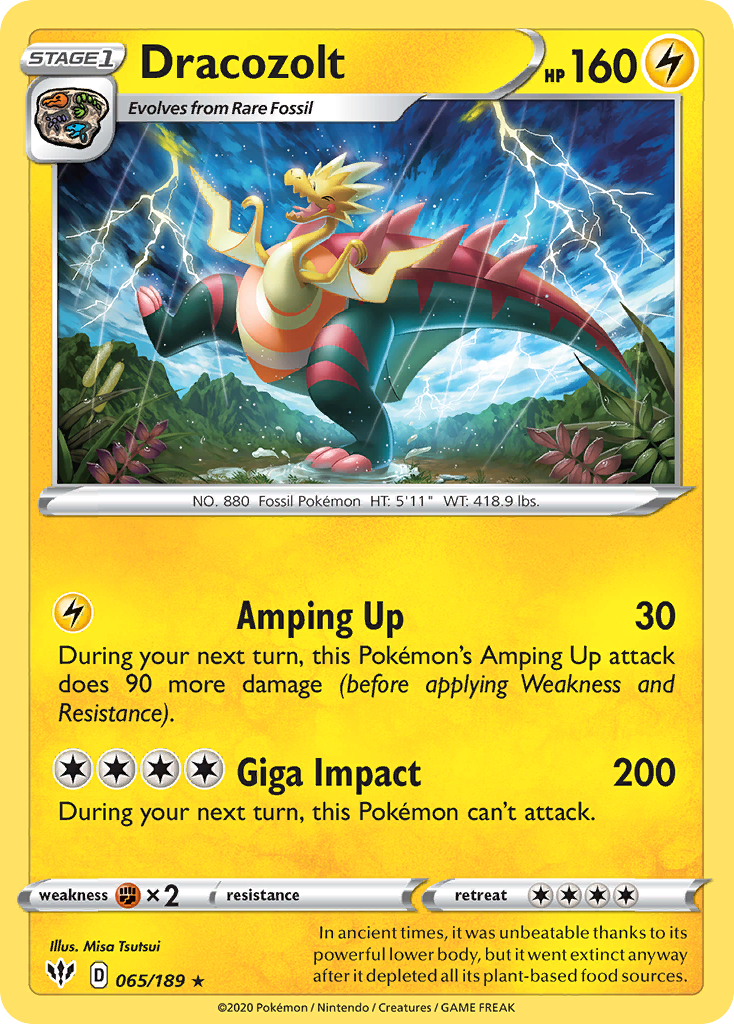
Dracozolt
In ancient times, it was unbeatable thanks to its powerful lower body, but it went extinct anyway after it depleted all its plant-based food sources.

During your next turn, this Pokémon’s Amping Up attack does 90 more damage (before applying Weakness and Resistance).
| Supertype | Pokémon |
|---|---|
| Subtype | Stage 1 |
| HP | 160 |
| Types | Lightning |
| Attack | Amping Up |
| Attack cost | Lightning |
| Artist | Misa Tsutsui |
| Rarity | Rare |
| Pokédex | 880 |
| Evolves from | Rare Fossil |
Vendor Information
- Store Name: DutchGem
- Vendor: DutchGem
-
Address:
gekkestraat
179
2345GT Utrecht

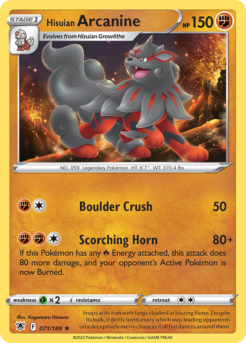
Astral Radiance
Snaps at its foes with fangs cloaked in blazing flame. Despite its bulk, it deftly feints every which way, leading opponents on a deceptively merry chase as it all but dances around them.
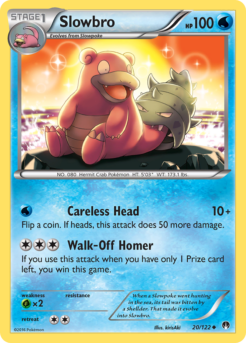
BREAKpoint
When a Slowpoke went hunting in the sea, its tail was bitten by a Shellder. That made it evolve into Slowbro.
Related products
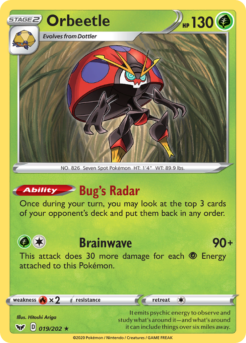
Sword & Shield
It emits psychic energy to observe and study what's around it—and what's around it can include things over six miles away.
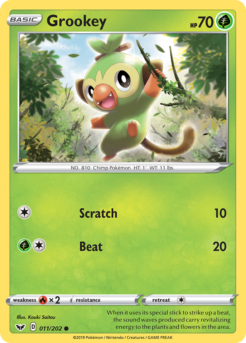
Sword & Shield
When it uses its special stick to strike up a beat, the sound waves produced carry revitalizing energy to the plants and flowers in the area.
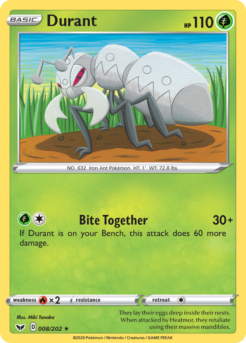
Sword & Shield
They lay their eggs deep inside their nests. When attacked by Heatmor, they retaliate using their massive mandibles.
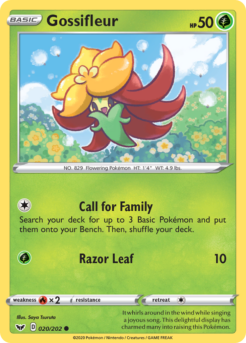
Sword & Shield
It whirls around in the wind while singing a joyous song. This delightful display has charmed many into raising this Pokémon.
Sword & Shield
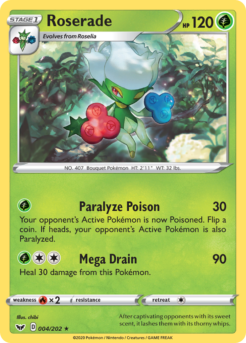
After captivating opponents with its sweet scent, it lashes them with its thorny whips.

Sword & Shield
Attach up to 3 Fire Energy cards from your discard pile to your Pokémon in any way you like.
Sword & Shield
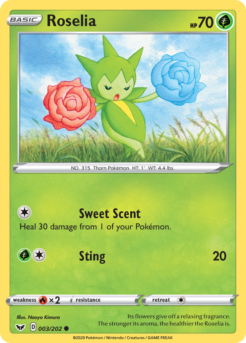
Its flowers give off a relaxing fragrance. The stronger its aroma, the healthier the Roselia is.
Sword & Shield
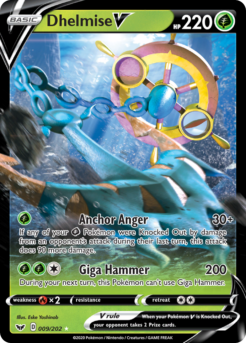
If any of your Grass Pokémon were Knocked Out by damage from an opponent’s attack during their last turn, this attack does 90 more damage.