



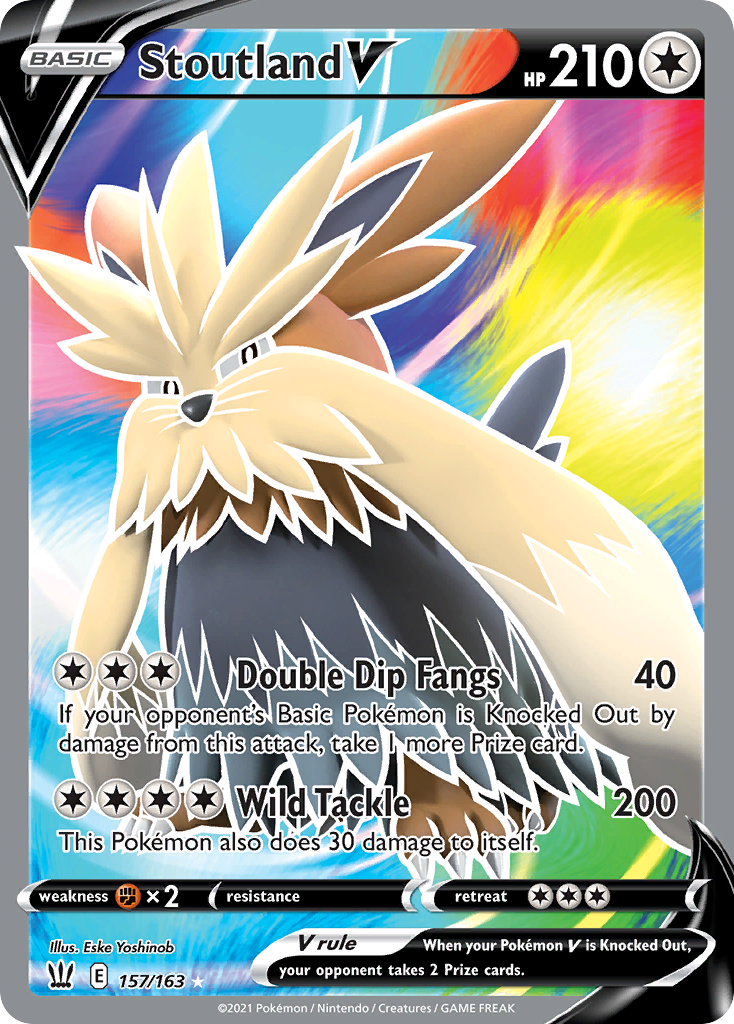

If your opponent’s Basic Pokémon is Knocked Out by damage from this attack, take 1 more Prize card.
| Supertype | Pokémon |
|---|---|
| Subtype | Basic |
| HP | 210 |
| Types | Colorless |
| Attack | Double Dip Fangs |
| Attack cost | Colorless |
| Artist | Eske Yoshinob |
| Rarity | Rare Ultra |
| Pokédex | 508 |
Vendor Information
- Store Name: DutchGem
- Vendor: DutchGem
-
Address:
gekkestraat
179
2345GT Utrecht
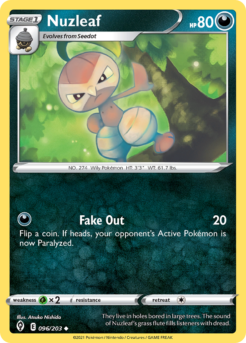
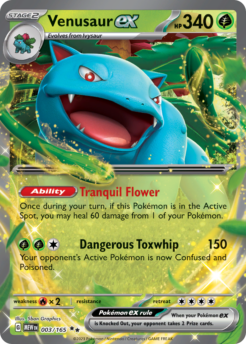
Evolving Skies
They live in holes bored in large trees. The sound of Nuzleaf's grass flute fills listeners with dread.
Sword & Shield
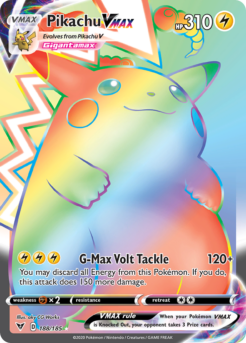
You may discard all Energy from this Pokémon. If you do, this attack does 150 more damage.
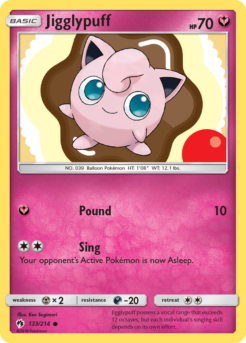
Lost Thunder
Jigglypuff posses a vocal range that exceeds 12 octaves, but each individual's singing skill depends on its own effort.
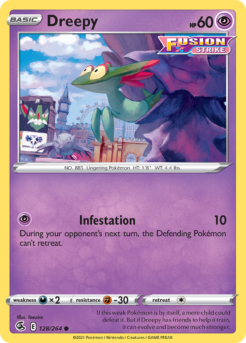
Fusion Strike
If this weak Pokémon is by itself, a mere child could defeat it. But if Dreepy has friends to help it train, it can evolve and become much stronger.
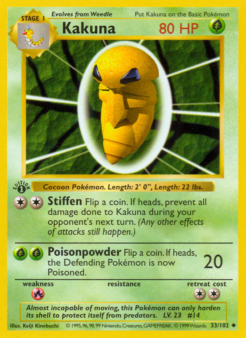
Base
Almost incapable of moving, this Pokémon can only harden its shell to protect itself from predators.
Related products
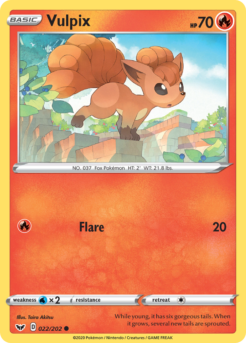
Sword & Shield
While young, it has six gorgeous tails. When it grows, several new tails are sprouted.
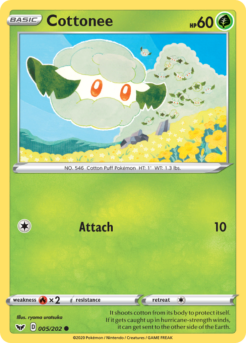
Sword & Shield
It shoots cotton from its body to protect itself. If it gets caught up in hurricane-strength winds, it can get sent to the other side of the Earth.
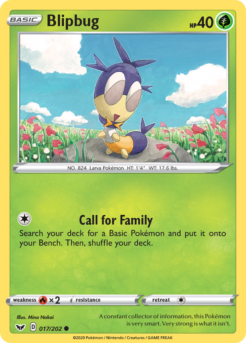
Sword & Shield
A constant collector of information, this Pokémon is very smart. Very strong is what it isn't.
Sword & Shield
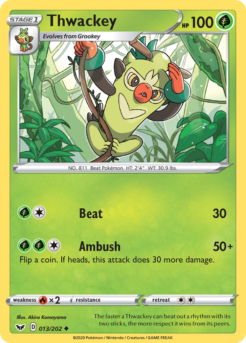
The faster a Thwackey can beat out a rhythm with its two sticks, the more respect it wins from its peers.
Sword & Shield
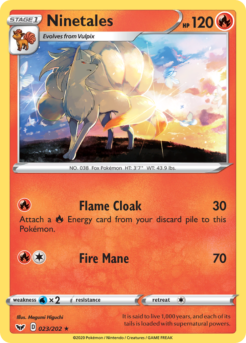
It is said to live 1,000 years, and each of its tails is loaded with supernatural powers.
Sword & Shield
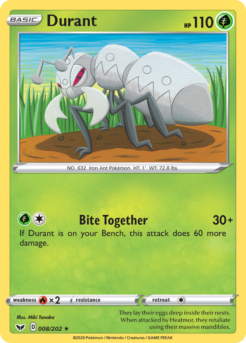
They lay their eggs deep inside their nests. When attacked by Heatmor, they retaliate using their massive mandibles.
Sword & Shield
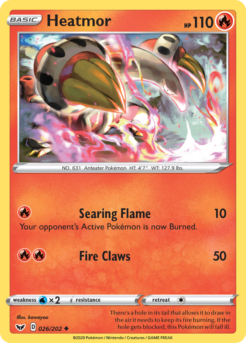
There's a hole in its tail that allows it to draw in the air it needs to keep its fire burning. If the hole gets blocked, this Pokémon will fall ill.
Sword & Shield
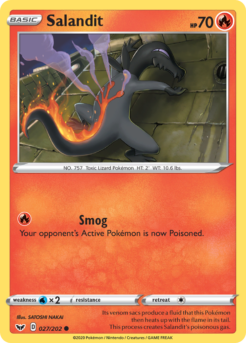
Its venom sacs produce a fluid that this Pokémon then heats up with the flame in its tail. This process creates Salandit's poisonous gas.