



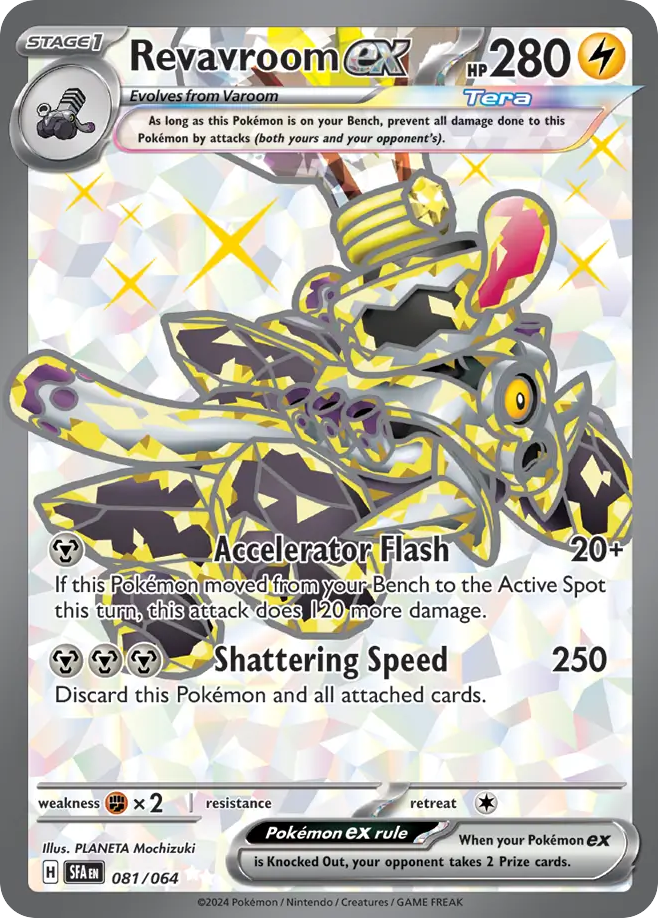
If this Pokémon moved from your Bench to the Active Spot this turn, this attack does 120 more damage.
| Supertype | Pokémon |
|---|---|
| Subtype | Stage 1 |
| HP | 280 |
| Types | Lightning |
| Attack | Accelerator Flash |
| Attack cost | Metal |
| Artist | PLANETA Mochizuki |
| Rarity | Ultra Rare |
| Pokédex | 966 |
| Evolves from | Varoom |
Vendor Information
- Store Name: DutchGem
- Vendor: DutchGem
-
Address:
gekkestraat
179
2345GT Utrecht
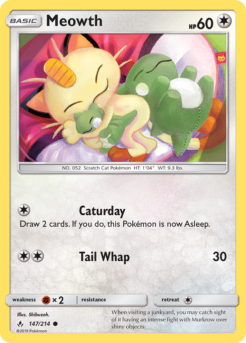
Sun & Moon
When visiting a junkyard, you may catch sight of it having an intense fight with Murkrow over shiny objects.
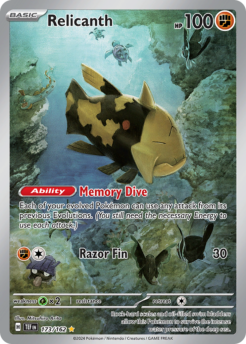
Scarlet & Violet
Rock-hard scales and oil-filled swim bladders allow this Pokémon to survive the intense water pressure of the deep sea.
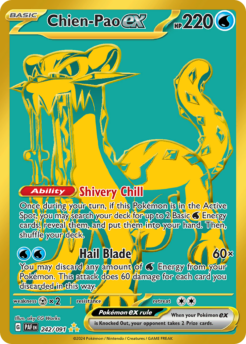
Paldean Fates
You may discard any amount of Water Energy from your Pokémon. This attack does 60 damage for each card you discarded in this way.
XY
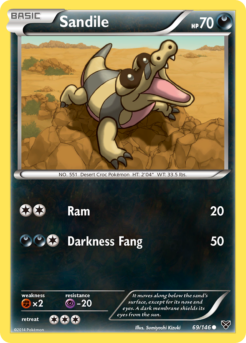
It moves along below the sand's surface, except for its nose and eyes. A dark membrane shields its eyes from the sun.
Related products
Scarlet & Violet
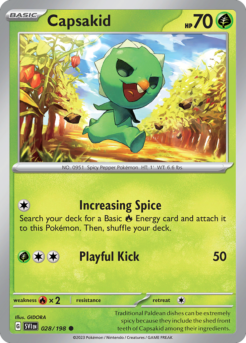
Traditional Paldean dishes can be extremely spicy because they include the shed front teeth of Capsakid among their ingredients.
Scarlet & Violet
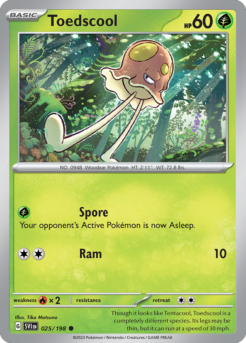
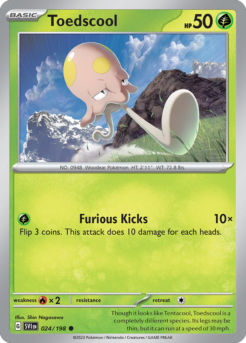
Though it looks like Tentacool, Toedscool is a completely different species. Its legs may be thin, but it can run at a speed of 30 mph.
Scarlet & Violet
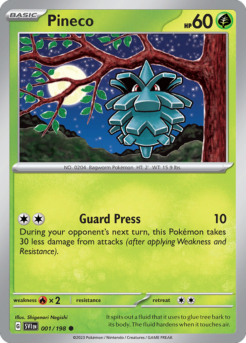
It spits out a fluid that it uses to glue tree bark to its body. The fluid hardens when it touches air.
Scarlet & Violet
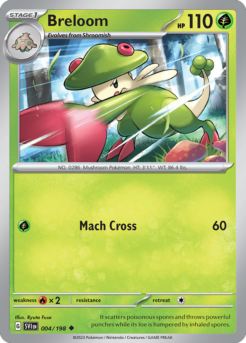
It scatters poisonous spores and throws powerful punches while its foe is hampered by inhaled spores.
Scarlet & Violet
Though it looks like Tentacool, Toedscool is a completely different species. Its legs may be thin, but it can run at a speed of 30 mph.
Scarlet & Violet
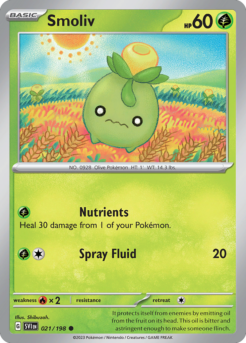
It protects itself from enemies by emitting oil from the fruit on its head. This oil is bitter and astringent enough to make someone flinch.
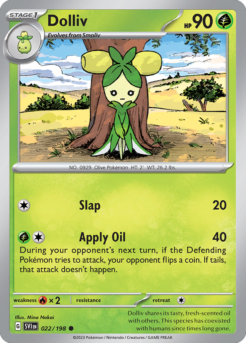
Scarlet & Violet
Dolliv shares its tasty, fresh-scented oil with others. This species has coexisted with humans since times long gone.
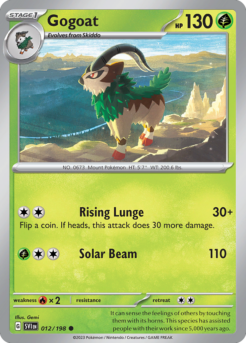
Scarlet & Violet
It can sense the feelings of others by touching them with its horns. This species has assisted people with their work since 5,000 years ago.