



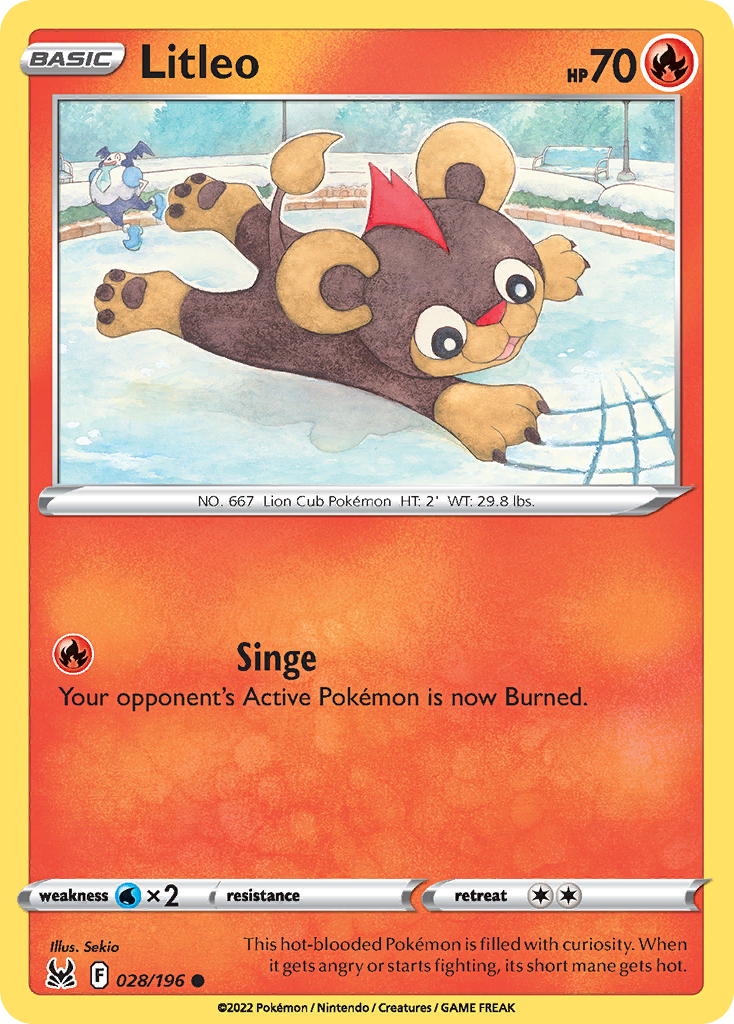
Litleo
This hot-blooded Pokémon is filled with curiosity. When it gets angry or starts fighting, its short mane gets hot.

Your opponent’s Active Pokémon is now Burned.
| Supertype | Pokémon |
|---|---|
| Subtype | Basic |
| HP | 70 |
| Types | Fire |
| Attack | Singe |
| Attack cost | Fire |
| Artist | Sekio |
| Rarity | Common |
| Pokédex | 667 |
| Evolves to | Pyroar |
Vendor Information
- Store Name: DutchGem
- Vendor: DutchGem
-
Address:
gekkestraat
179
2345GT Utrecht
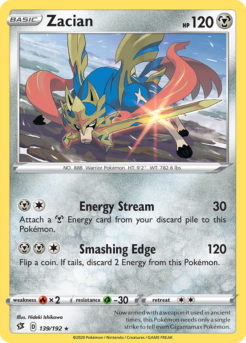
Rebel Clash
Now armed with a weapon it used in ancient times, this Pokémon needs only a single strike to fell even Gigantamax Pokémon.
Scarlet & Violet
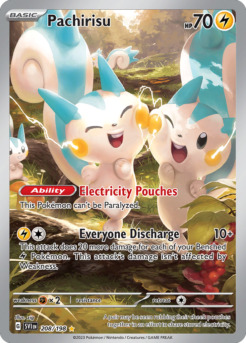
A pair may be seen rubbing their cheek pouches together in an effort to share stored electricity.
Related products
Sword & Shield
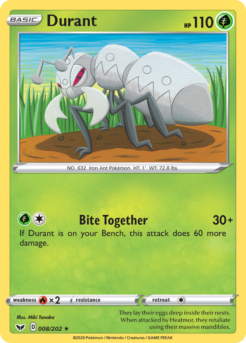
They lay their eggs deep inside their nests. When attacked by Heatmor, they retaliate using their massive mandibles.
Sword & Shield
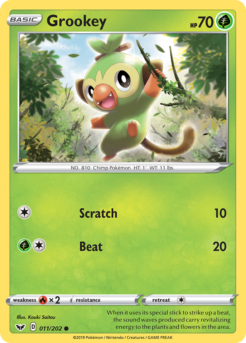
When it uses its special stick to strike up a beat, the sound waves produced carry revitalizing energy to the plants and flowers in the area.
Sword & Shield
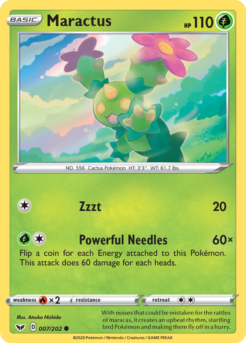
With noises that could be mistaken for the rattles of maracas, it creates an upbeat rhythm, startling bird Pokémon and making them fly off in a hurry.
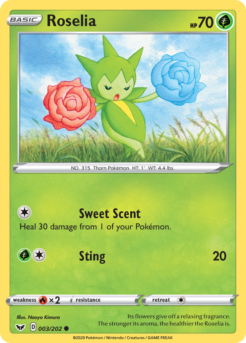
Sword & Shield
Its flowers give off a relaxing fragrance. The stronger its aroma, the healthier the Roselia is.
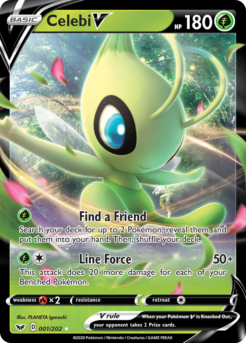
Sword & Shield
Search your deck for up to 2 Pokémon, reveal them, and put them into your hand. Then, shuffle your deck.
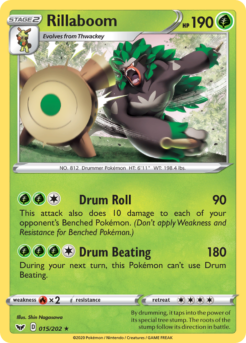
Sword & Shield
By drumming, it taps into the power of its special tree stump. The roots of the stump follow its direction in battle.
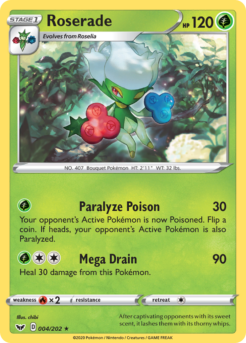
Sword & Shield
After captivating opponents with its sweet scent, it lashes them with its thorny whips.
Sword & Shield
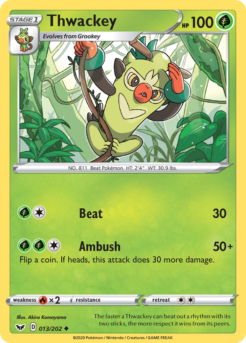
The faster a Thwackey can beat out a rhythm with its two sticks, the more respect it wins from its peers.