



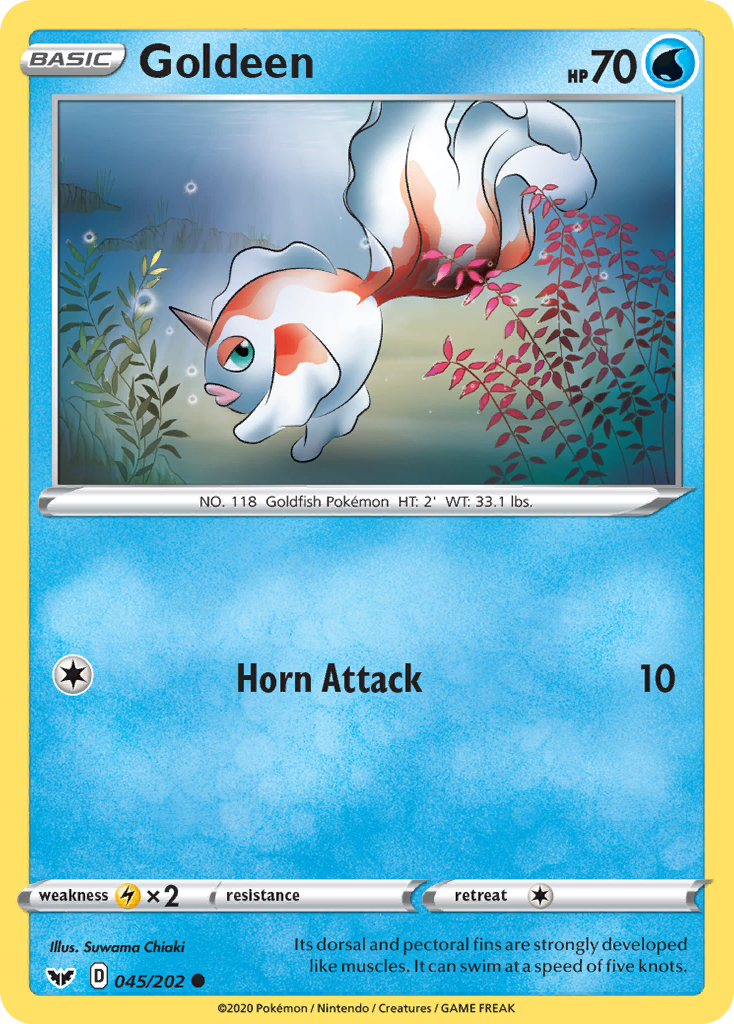
Goldeen
Its dorsal and pectoral fins are strongly developed like muscles. It can swim at a speed of five knots.
| Supertype | Pokémon |
|---|---|
| Subtype | Basic |
| HP | 70 |
| Types | Water |
| Attack | Horn Attack |
| Attack cost | Colorless |
| Artist | Suwama Chiaki |
| Rarity | Common |
| Pokédex | 118 |
| Evolves to | Seaking |
Vendor Information
- Store Name: DutchGem
- Vendor: DutchGem
-
Address:
gekkestraat
179
2345GT Utrecht

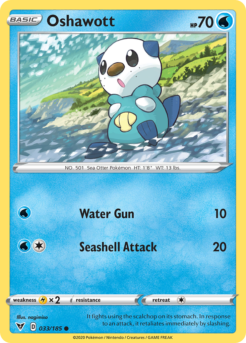
Sword & Shield
It fights using the scalchop on its stomach. In response to an attack, it retaliates immediately by slashing.
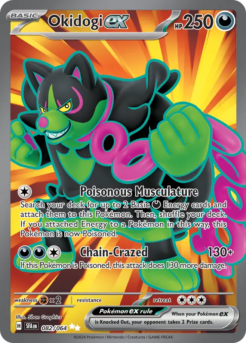
Scarlet & Violet
Search your deck for up to 2 Basic Darkness Energy cards and attach them to this Pokémon. Then, shuffle your deck. If you attached Energy to a Pokémon in this way, this Pokémon is now Poisoned.
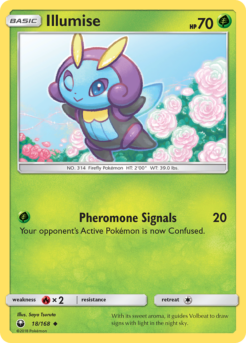
Celestial Storm
With its sweet aroma, it guides Volbeat to draw signs with light in the night sky.


Paldea Evolved
On hot days, these Pokémon press their ice cube heads together and pass the time cooling each other down.
Related products
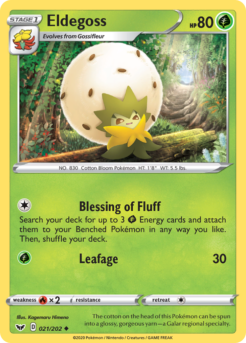
Sword & Shield
The cotton on the head of this Pokémon can be spun into a glossy, gorgeous yarn—a Galar regional specialty.
Sword & Shield
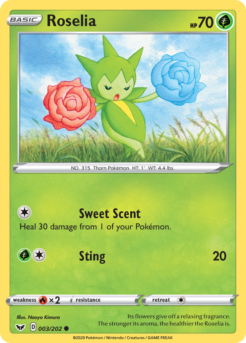
Its flowers give off a relaxing fragrance. The stronger its aroma, the healthier the Roselia is.
Sword & Shield
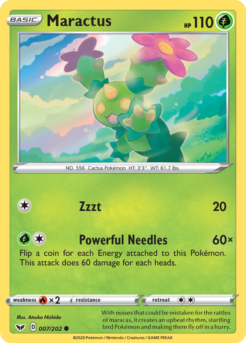
With noises that could be mistaken for the rattles of maracas, it creates an upbeat rhythm, startling bird Pokémon and making them fly off in a hurry.
Sword & Shield
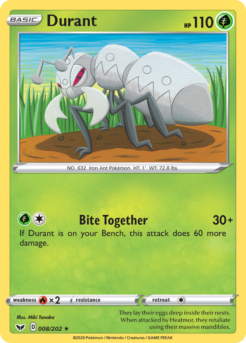
They lay their eggs deep inside their nests. When attacked by Heatmor, they retaliate using their massive mandibles.
Sword & Shield
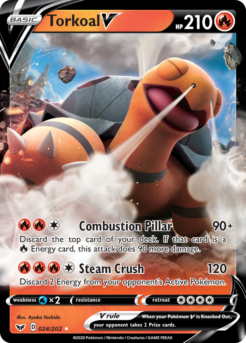
Discard the top card of your deck. If that card is a Fire Energy card, this attack does 90 more damage.
Sword & Shield
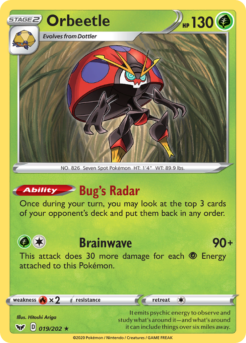
It emits psychic energy to observe and study what's around it—and what's around it can include things over six miles away.
Sword & Shield
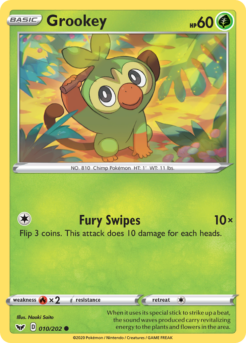
When it uses its special stick to strike up a beat, the sound waves produced carry revitalizing energy to the plants and flowers in the area.
Sword & Shield
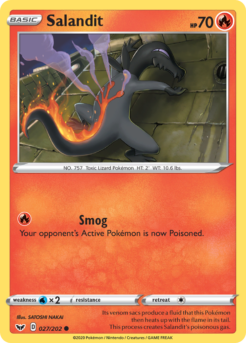
Its venom sacs produce a fluid that this Pokémon then heats up with the flame in its tail. This process creates Salandit's poisonous gas.