



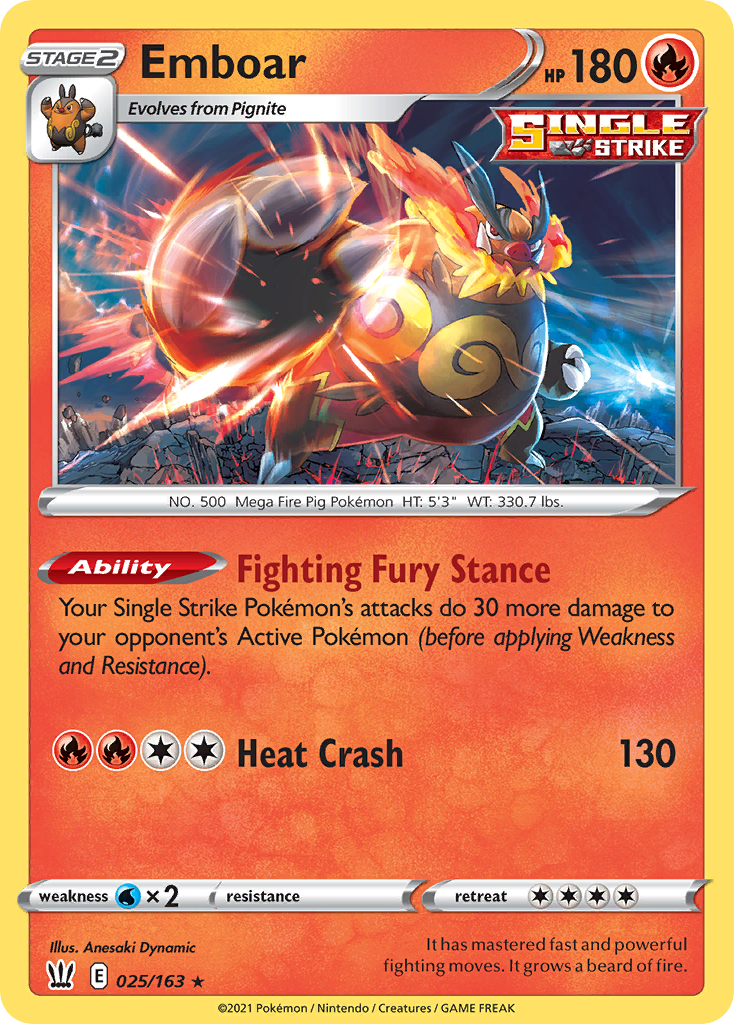
Emboar

It has mastered fast and powerful fighting moves. It grows a beard of fire.
| Supertype | Pokémon |
|---|---|
| Subtype | Stage 2 |
| HP | 180 |
| Types | Fire |
| Attack | Heat Crash |
| Attack cost | Fire |
| Artist | Anesaki Dynamic |
| Rarity | Rare Holo |
| Pokédex | 500 |
| Evolves from | Pignite |
Vendor Information
- Store Name: DutchGem
- Vendor: DutchGem
-
Address:
gekkestraat
179
2345GT Utrecht

Evolving Skies
It has been found that its brain cells are 10 times more active when Psyduck is experiencing a headache.

Silver Tempest
This Pokémon can be seen galloping through fields at speeds of up to 150 mph, its fiery mane fluttering in the wind.

Cosmic Eclipse
This attack does 60 more damage for each of your opponent’s Pokémon-GX and Pokémon-EX in play.
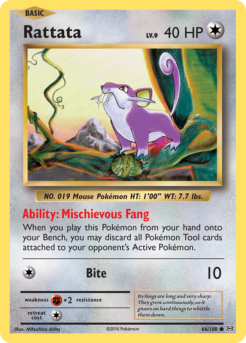
Evolutions
Its fangs are long and very sharp. They grow continuously, so it gnaws on hard things to whittle them down.
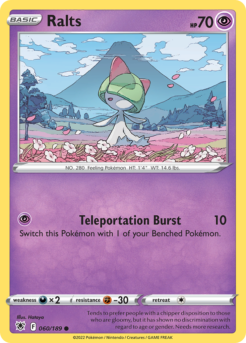
Astral Radiance
Tends to prefer people with a chipper disposition to those who are gloomy, but it has shown no discrimination with regard to age or gender. Needs more research.
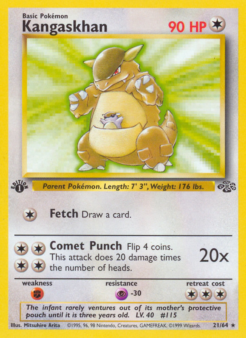
Base
The infant rarely ventures out of its mother's protective pouch until it is three years old.
Related products
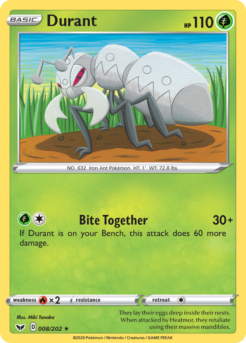
Sword & Shield
They lay their eggs deep inside their nests. When attacked by Heatmor, they retaliate using their massive mandibles.
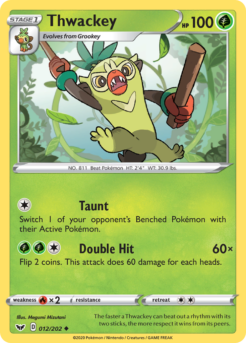
Sword & Shield
The faster a Thwackey can beat out a rhythm with its two sticks, the more respect it wins from its peers.
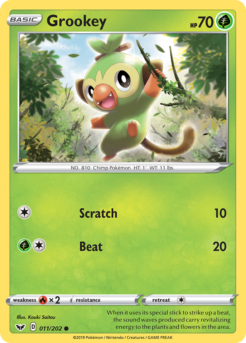
Sword & Shield
When it uses its special stick to strike up a beat, the sound waves produced carry revitalizing energy to the plants and flowers in the area.
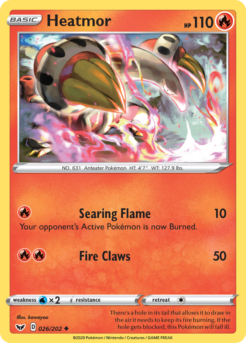
Sword & Shield
There's a hole in its tail that allows it to draw in the air it needs to keep its fire burning. If the hole gets blocked, this Pokémon will fall ill.
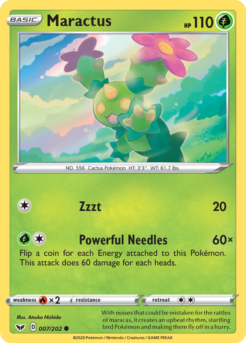
Sword & Shield
With noises that could be mistaken for the rattles of maracas, it creates an upbeat rhythm, startling bird Pokémon and making them fly off in a hurry.

Sword & Shield
Search your deck for up to 2 Pokémon, reveal them, and put them into your hand. Then, shuffle your deck.
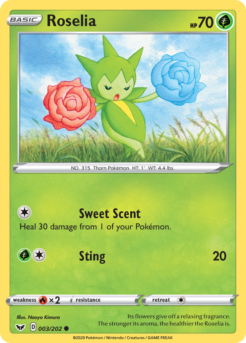
Sword & Shield
Its flowers give off a relaxing fragrance. The stronger its aroma, the healthier the Roselia is.
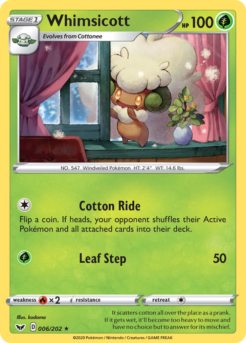
Sword & Shield
It scatters cotton all over the place as a prank. If it gets wet, it'll become too heavy to move and have no choice but to answer for its mischief.