



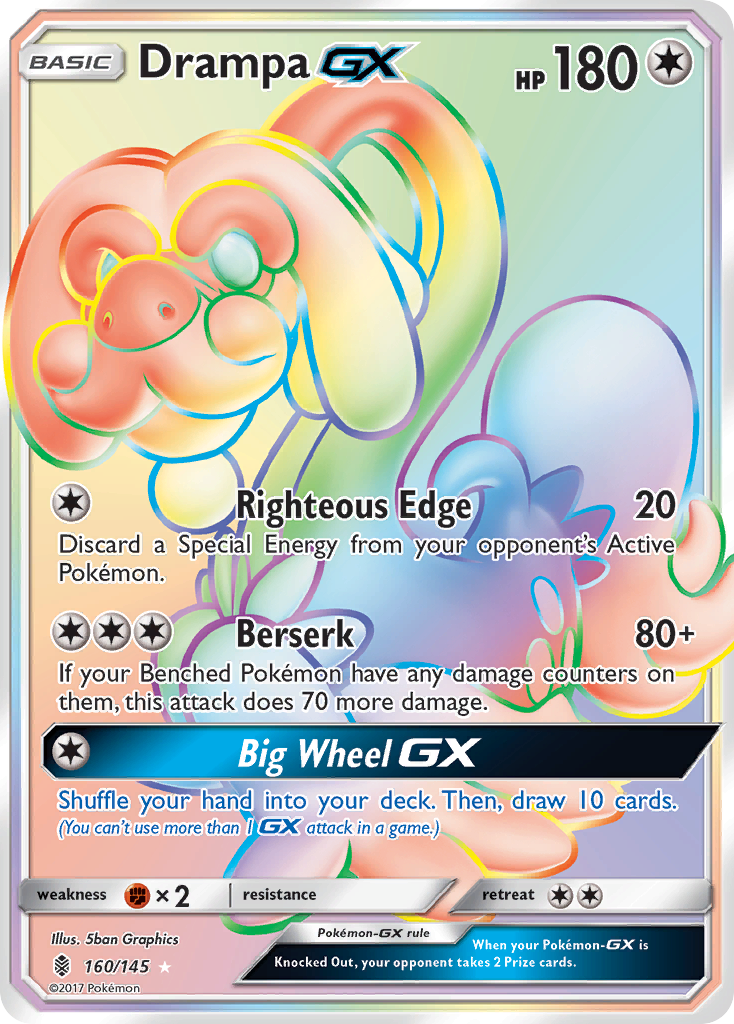

Discard a Special Energy from your opponent’s Active Pokémon.
| Supertype | Pokémon |
|---|---|
| Subtype | Basic |
| HP | 180 |
| Types | Colorless |
| Attack | Righteous Edge |
| Attack cost | Colorless |
| Artist | 5ban Graphics |
| Rarity | Rare Rainbow |
| Pokédex | 780 |
Vendor Information
- Store Name: DutchGem
- Vendor: DutchGem
-
Address:
gekkestraat
179
2345GT Utrecht
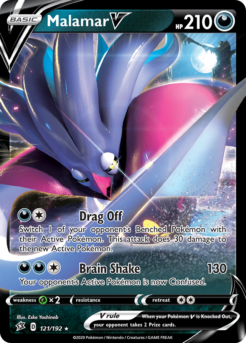
Rebel Clash
Switch 1 of your opponent’s Benched Pokémon with their Active Pokémon. This attack does 30 damage to the new Active Pokémon.
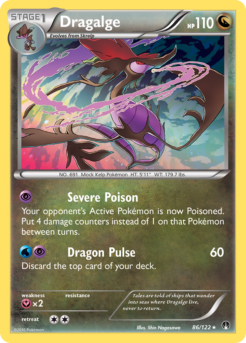
BREAKpoint
Tales are told of ships that wander into seas where Dragalge live, never to return.
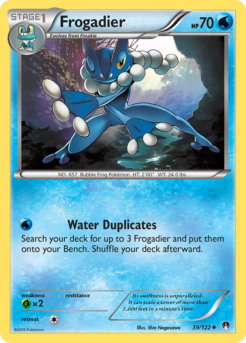
BREAKpoint
Its swiftness is unparalleled. It can scale a tower of more than 2,000 feet in a minute's time.
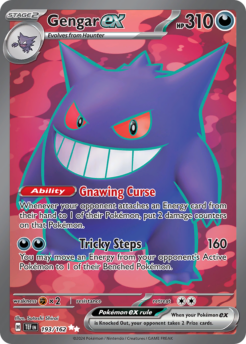
Scarlet & Violet
You may move an Energy from your opponent’s Active Pokémon to 1 of their Benched Pokémon.
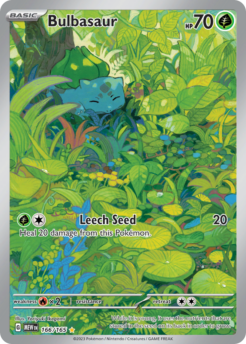
151
While it is young, it uses the nutrients that are stored in the seed on its back in order to grow.
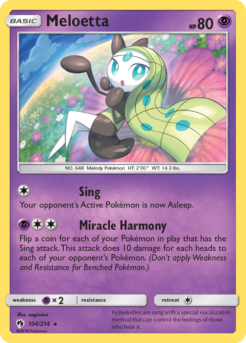
Lost Thunder
Its melodies are sung with a special vocalization method that can control the feels of those who hear it.
Related products
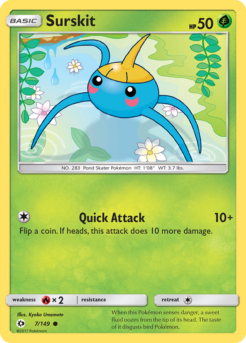
Sun & Moon
When this Pokémon senses danger, a sweet fluid oozes from the tip of its heads. The taste of it disgusts bird Pokémon.
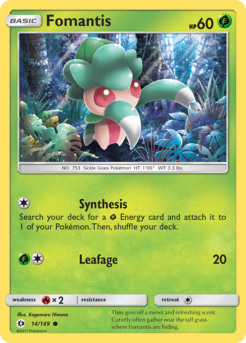
Sun & Moon
They give off a sweet and refreshing scent. Cutiefly often gather near the tall grass where Fomantis are hiding.
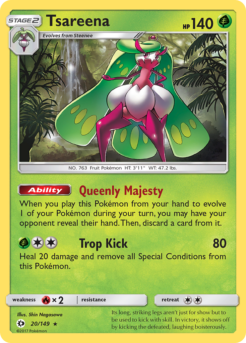
Sun & Moon
Its long, striking legs aren't just for show but to be used to kick with skill. In victory, it shows off by kicking the defeated, laughing boisterously.
Sun & Moon
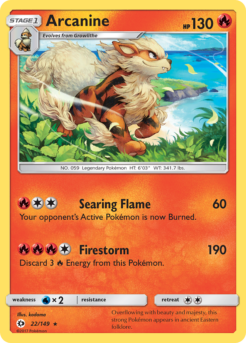
Overflowing with beauty and majesty, this strong Pokémon appears in ancient Eastern folklore.
Sun & Moon
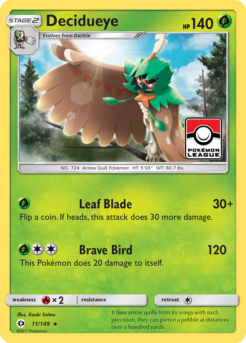
It fires arrow quills from its wings with such precision, they can pierce a pebble at distances over a hundred yards.
Sun & Moon
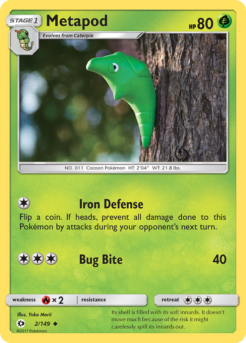
Its shell is filled with its soft innards. It doesn't move much because of the risk it might carelessly spill its innards out.
Sun & Moon
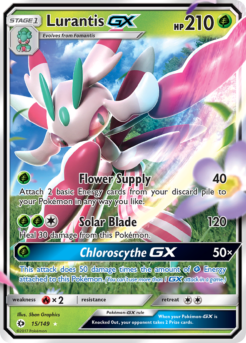
Attach 2 basic Energy cards from your discard pile to your Pokémon in any way you like.
Sun & Moon
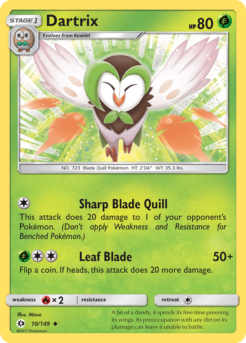
A bit of a dandy, it spends its free time preening its wings. Its preoccupation with any dirt on its plumage can leave it unable to battle.