



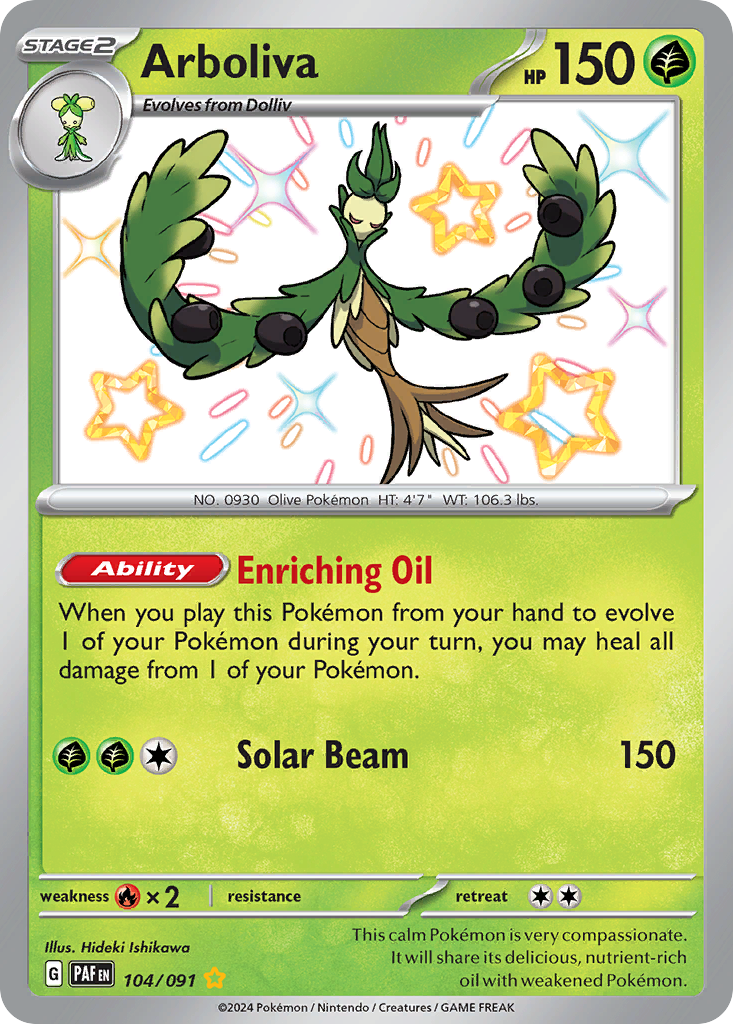
Arboliva
This calm Pokémon is very compassionate. It will share its delicious, nutrient-rich oil with weakened Pokémon.

| Supertype | Pokémon |
|---|---|
| Subtype | Stage 2 |
| HP | Grass |
| Attack | Solar Beam |
| Attack cost | Grass |
| Artist | Hideki Ishikawa |
| Rarity | Shiny Rare |
| Pokédex | 930 |
| Evolves from | Dolliv |
Vendor Information
- Store Name: DutchGem
- Vendor: DutchGem
-
Address:
gekkestraat
179
2345GT Utrecht

Sun & Moon
More timid than Snubbull, this Pokémon is doted on by young people amused at the contrast between its looks and its attitude.
Paldean Fates
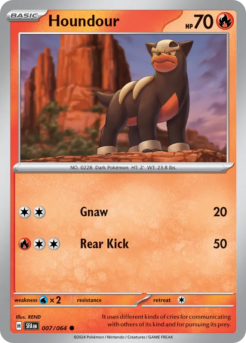
When its huge eyes waver, it sings a mysteriously soothing melody that lulls its enemies to sleep.
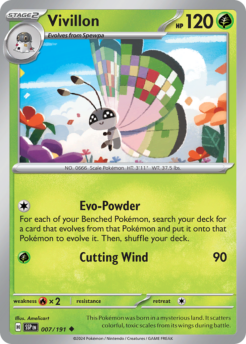
Scarlet & Violet
For each of your Benched Pokémon, search your deck for a card that evolves from that Pokémon and put it onto that Pokémon to evolve it. Then, shuffle your deck.
Astral Radiance
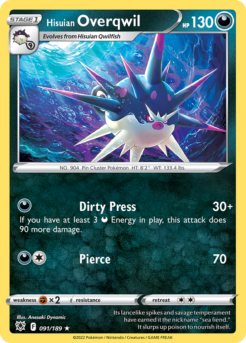
Its lancelike spikes and savage temperament have earned it the nickname "sea fiend." It slurps up poison to nourish itself.
Podobne produkty
Scarlet & Violet
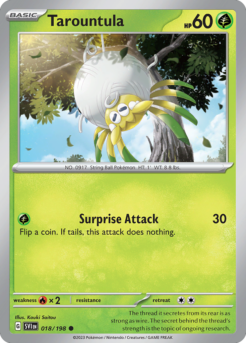
The thread it secretes from its rear is as strong as wire. The secret behind the thread's strength is the topic of ongoing research.
Scarlet & Violet
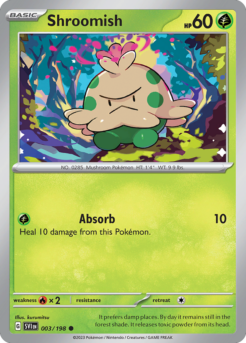
It prefers damp places. By day it remains still in the forest shade. It releases toxic powder from its head.
Scarlet & Violet
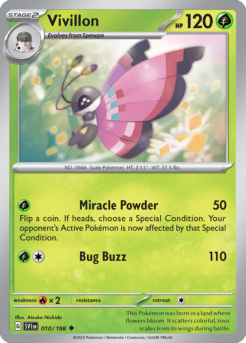
This Pokémon was born in a land where flowers bloom. It scatters colorful, toxic scales from its wings during battle.
Scarlet & Violet
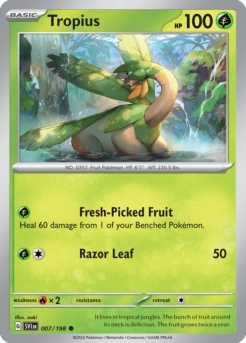
It lives in tropical jungles. The bunch of fruit around its neck is delicious. The fruit grows twice a year.
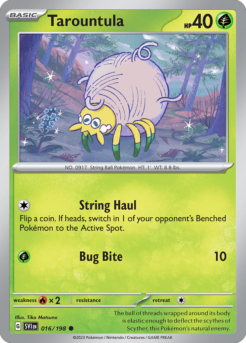
Scarlet & Violet
The ball of threads wrapped around its body is elastic enough to deflect the scythes of Scyther, this Pokémon's natural enemy.
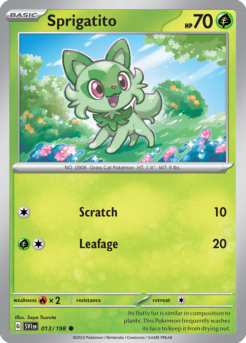
Scarlet & Violet
Its fluffy fur is similar in composition to plants. This Pokémon frequently washes its face to keep it from drying out.
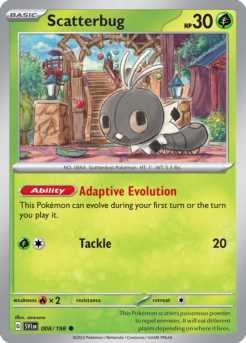
Scarlet & Violet
This Pokémon scatters poisonous powder to repel enemies. It will eat different plants depending on where it lives.
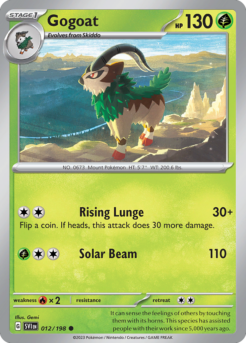
Scarlet & Violet
It can sense the feelings of others by touching them with its horns. This species has assisted people with their work since 5,000 years ago.