



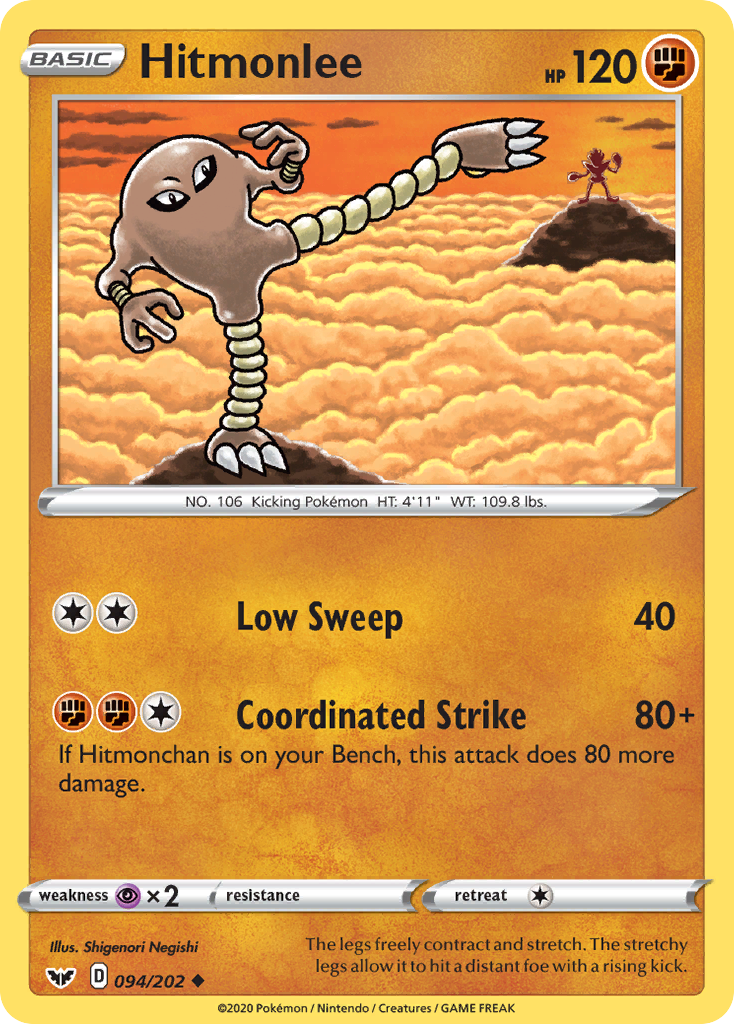
Hitmonlee

The legs freely contract and stretch. The stretchy legs allow it to hit a distant foe with a rising kick.
| Supertype | Pokémon |
|---|---|
| Subtype | Basic |
| HP | 120 |
| Types | Fighting |
| Attack | Low Sweep |
| Attack cost | Colorless |
| Artist | Shigenori Negishi |
| Rarity | Uncommon |
| Pokédex | 106 |
Vendor Information
- Store Name: DutchGem
- Vendor: DutchGem
-
Address:
gekkestraat
179
2345GT Utrecht
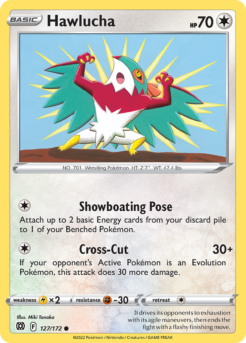
Brilliant Stars
It drives its opponents to exhaustion with its agile maneuvers, then ends the fight with a flashy finishing move.
Paldea Evolved
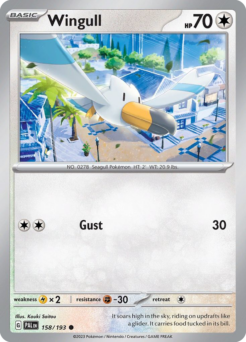
It soars high in the sky, riding on updrafts like a glider. It carries food tucked in its bill.
Scarlet & Violet
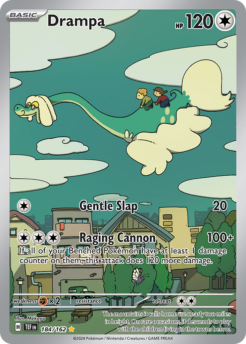
The mountains it calls home are nearly two miles in height. On rare occasions, it descends to play with the children living in the towns below.
Scarlet & Violet
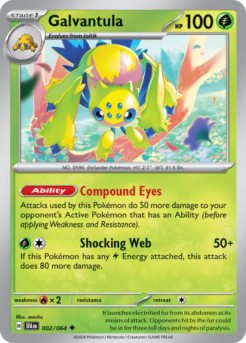
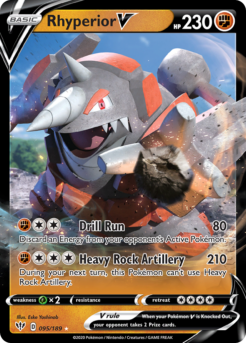
If this Pokémon has any Lightning Energy attached, this attack does 80 more damage.

Podobne produkty
Sword & Shield
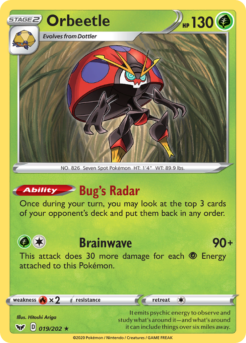
It emits psychic energy to observe and study what's around it—and what's around it can include things over six miles away.
Sword & Shield
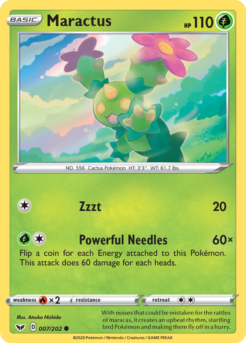
With noises that could be mistaken for the rattles of maracas, it creates an upbeat rhythm, startling bird Pokémon and making them fly off in a hurry.
Sword & Shield
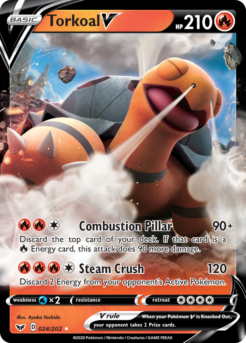
Discard the top card of your deck. If that card is a Fire Energy card, this attack does 90 more damage.
Sword & Shield
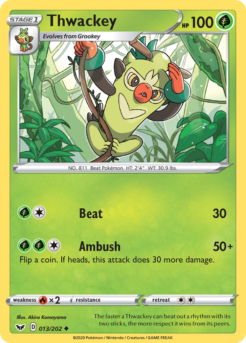
The faster a Thwackey can beat out a rhythm with its two sticks, the more respect it wins from its peers.
Sword & Shield
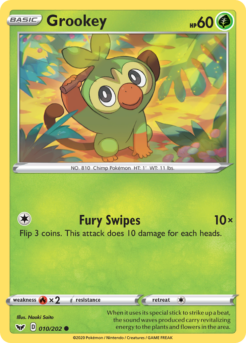
When it uses its special stick to strike up a beat, the sound waves produced carry revitalizing energy to the plants and flowers in the area.
Sword & Shield
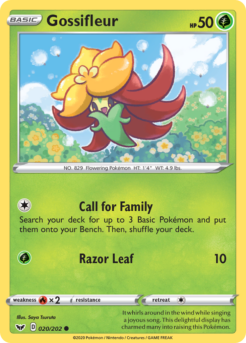
It whirls around in the wind while singing a joyous song. This delightful display has charmed many into raising this Pokémon.
Sword & Shield
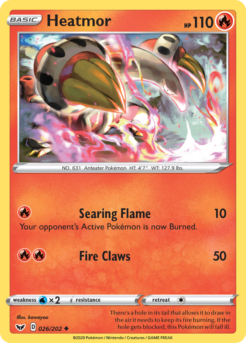
There's a hole in its tail that allows it to draw in the air it needs to keep its fire burning. If the hole gets blocked, this Pokémon will fall ill.
Sword & Shield
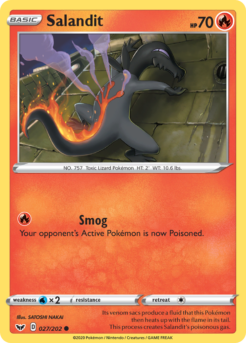
Its venom sacs produce a fluid that this Pokémon then heats up with the flame in its tail. This process creates Salandit's poisonous gas.