



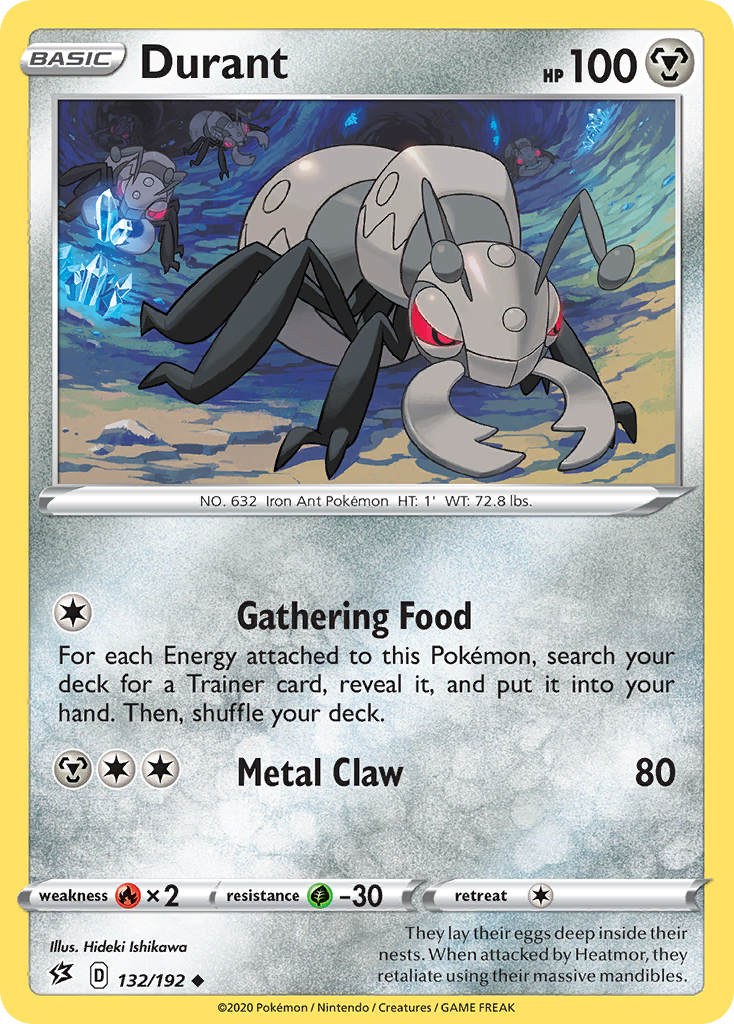
Durant
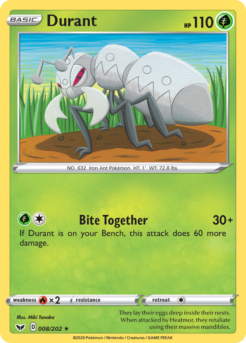
They lay their eggs deep inside their nests. When attacked by Heatmor, they retaliate using their massive mandibles.
For each Energy attached to this Pokémon, search your deck for a Trainer card, reveal it, and put it into your hand. Then, shuffle your deck.
| Supertype | Pokémon |
|---|---|
| Subtype | Basic |
| HP | 100 |
| Types | Metal |
| Attack | Gathering Food |
| Attack cost | Colorless |
| Artist | Hideki Ishikawa |
| Rarity | Uncommon |
| Pokédex | 632 |
Vendor Information
- Store Name: DutchGem
- Vendor: DutchGem
-
Address:
gekkestraat
179
2345GT Utrecht
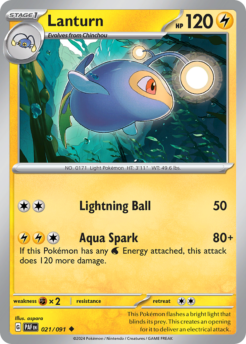
Paldean Fates
This Pokémon flashes a bright light that blinds its prey. This creates an opening for it to deliver an electrical attack.
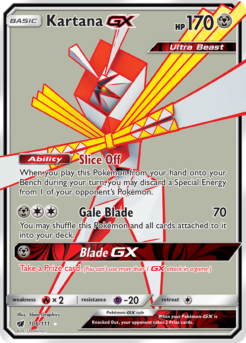
Crimson Invasion
You may shuffle this Pokémon and all cards attached to it into your deck.
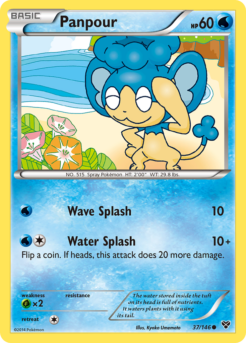
XY
The water stored inside the tuft on its head is full of nutrients. It waters plants with it using its tail.
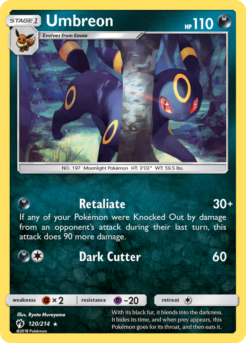
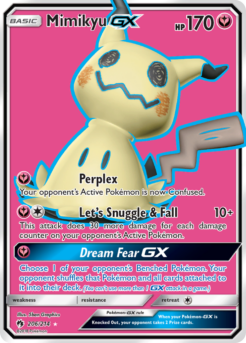
Lost Thunder
With its black fur, it blends into the darkness. It bides its time, and when prey appears, this Pokémon goes for its threat, and then eats it.
Podobne produkty
Sword & Shield
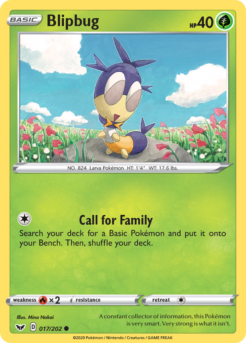
A constant collector of information, this Pokémon is very smart. Very strong is what it isn't.
Sword & Shield
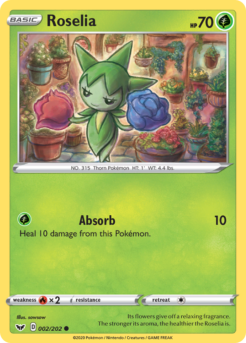
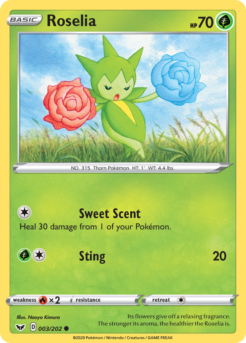
Its flowers give off a relaxing fragrance. The stronger its aroma, the healthier the Roselia is.
Sword & Shield
Its flowers give off a relaxing fragrance. The stronger its aroma, the healthier the Roselia is.
Sword & Shield
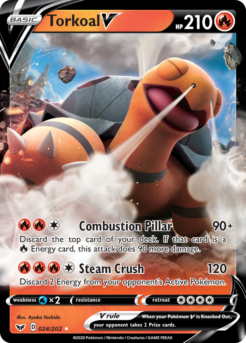
Discard the top card of your deck. If that card is a Fire Energy card, this attack does 90 more damage.
Sword & Shield
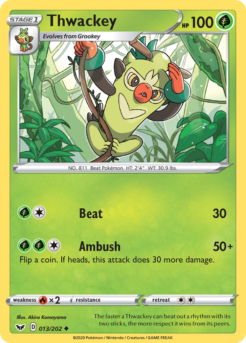
The faster a Thwackey can beat out a rhythm with its two sticks, the more respect it wins from its peers.
Sword & Shield
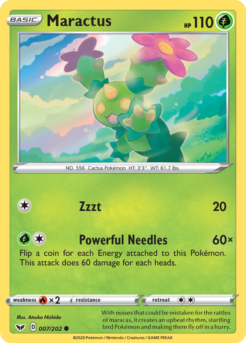
With noises that could be mistaken for the rattles of maracas, it creates an upbeat rhythm, startling bird Pokémon and making them fly off in a hurry.
Sword & Shield
They lay their eggs deep inside their nests. When attacked by Heatmor, they retaliate using their massive mandibles.
Sword & Shield
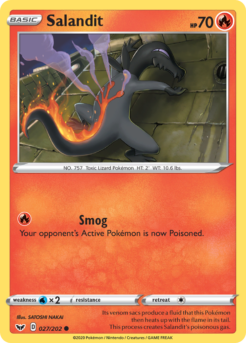
Its venom sacs produce a fluid that this Pokémon then heats up with the flame in its tail. This process creates Salandit's poisonous gas.