



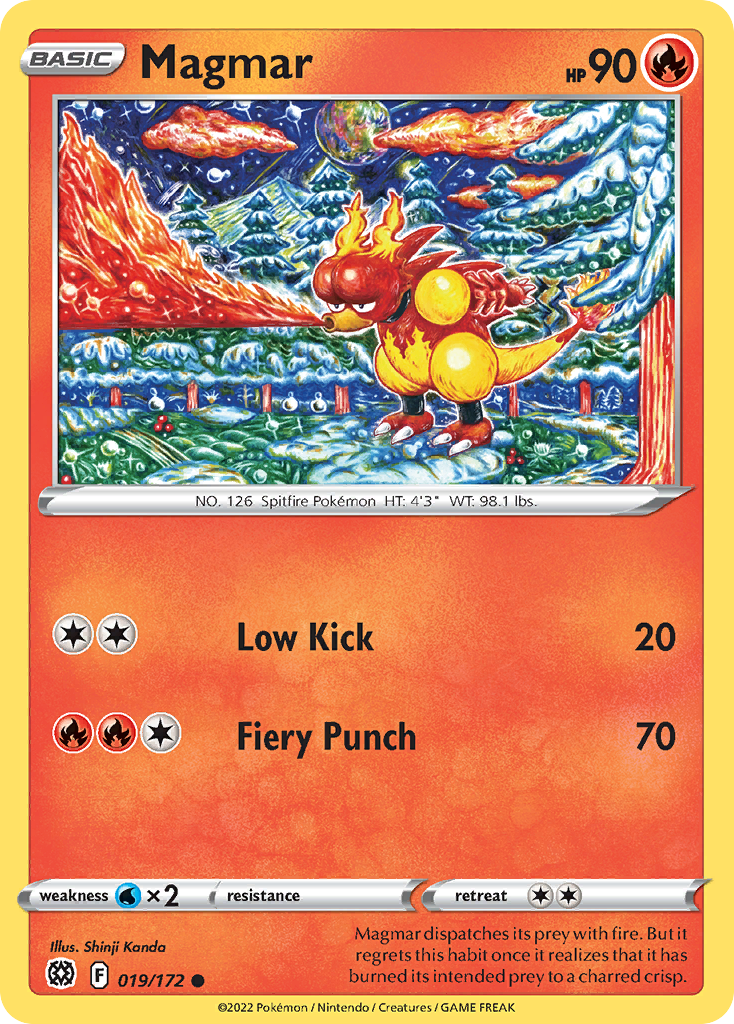
Magmar
Magmar dispatches its prey with fire. But it regrets this habit once it realizes that it has burned its intended prey to a charred crisp.
| Supertype | Pokémon |
|---|---|
| Subtype | Basic |
| HP | 90 |
| Types | Fire |
| Attack | Low Kick |
| Attack cost | Colorless |
| Artist | Shinji Kanda |
| Rarity | Common |
| Pokédex | 126 |
| Evolves to | Magmortar |
Vendor Information
- Store Name: DutchGem
- Vendor: DutchGem
-
Address:
gekkestraat
179
2345GT Utrecht
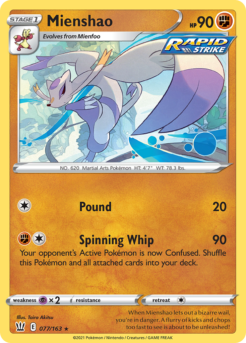
Battle Styles
When Mienshao lets out a bizarre wail, you're in danger. A flurry of kicks and chops too fast to see is about to be unleashed!
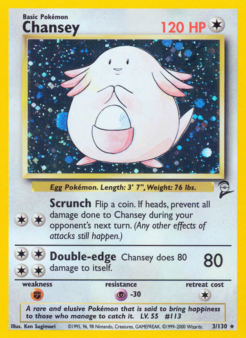
Base
A rare and elusive Pokémon that is said to bring happiness to those who manage to catch it.
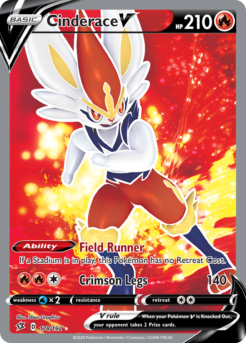
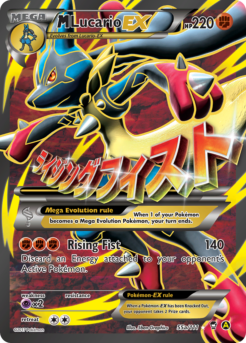
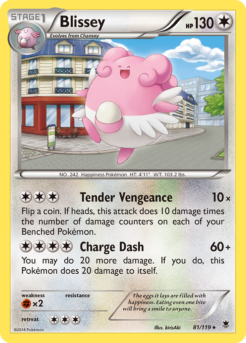
Phantom Forces
The eggs it lays are filled with happiness. Eating even one bite will bring a smile to anyone.
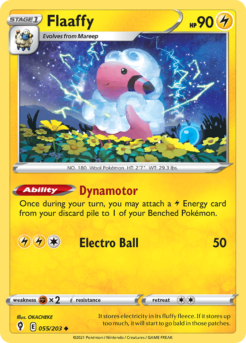
Evolving Skies
It stores electricity in its fluffy fleece. If it stores up too much, it will start to go bald in those patches.
Podobne produkty
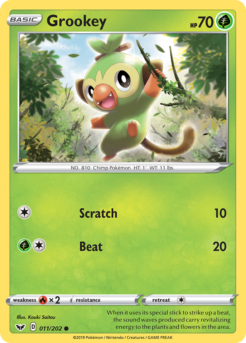
Sword & Shield
When it uses its special stick to strike up a beat, the sound waves produced carry revitalizing energy to the plants and flowers in the area.
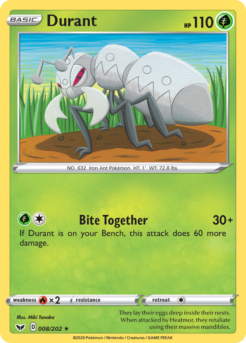
Sword & Shield
They lay their eggs deep inside their nests. When attacked by Heatmor, they retaliate using their massive mandibles.
Sword & Shield
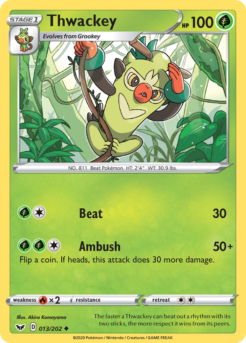
The faster a Thwackey can beat out a rhythm with its two sticks, the more respect it wins from its peers.
Sword & Shield
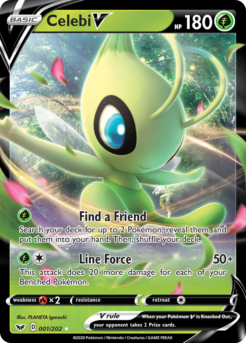
Search your deck for up to 2 Pokémon, reveal them, and put them into your hand. Then, shuffle your deck.
Sword & Shield
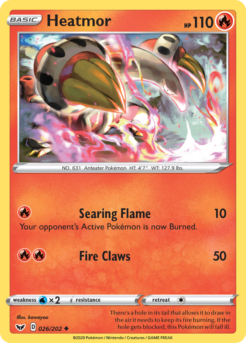
There's a hole in its tail that allows it to draw in the air it needs to keep its fire burning. If the hole gets blocked, this Pokémon will fall ill.
Sword & Shield
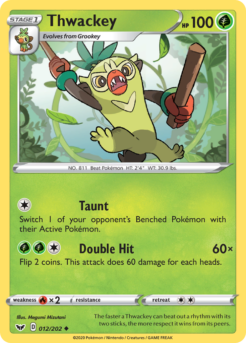
The faster a Thwackey can beat out a rhythm with its two sticks, the more respect it wins from its peers.
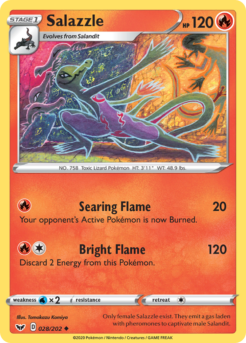
Sword & Shield
Only female Salazzle exist. They emit a gas laden with pheromones to captivate male Salandit.
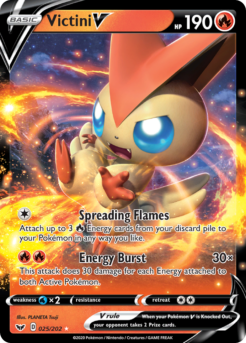
Sword & Shield
Attach up to 3 Fire Energy cards from your discard pile to your Pokémon in any way you like.