



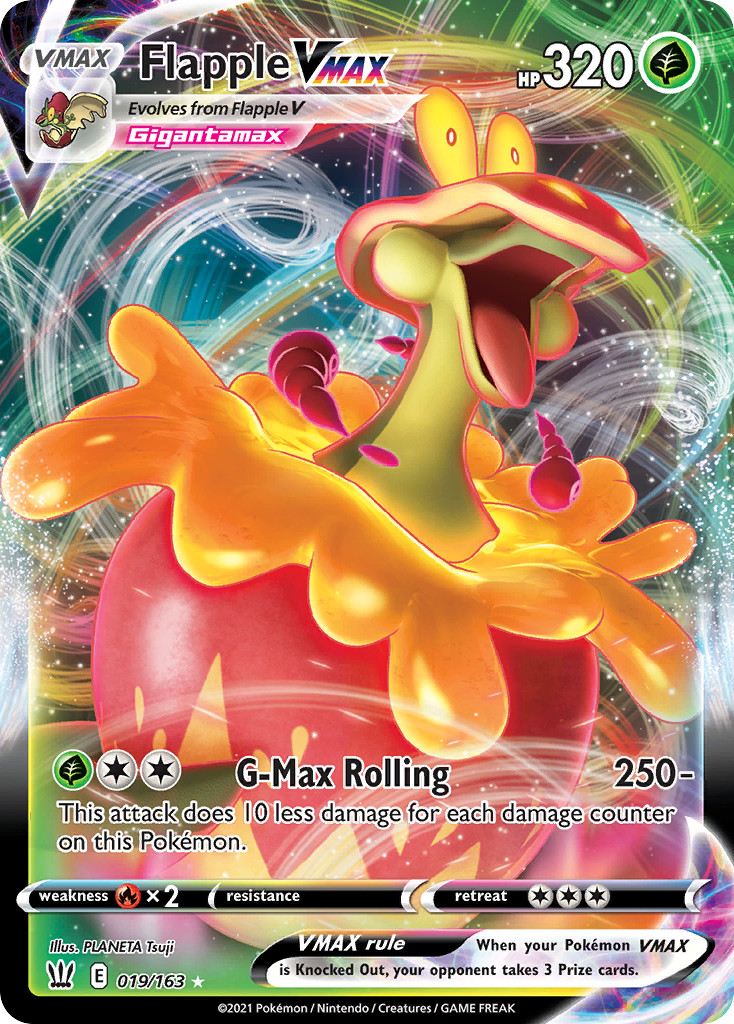
This attack does 10 less damage for each damage counter on this Pokémon.
| Supertype | Pokémon |
|---|---|
| Subtype | VMAX |
| HP | 320 |
| Types | Grass |
| Attack | G-Max Rolling |
| Attack cost | Grass |
| Artist | PLANETA Tsuji |
| Rarity | Rare Holo VMAX |
| Pokédex | 841 |
| Evolves from | Flapple V |
Vendor Information
- Store Name: DutchGem
- Vendor: DutchGem
-
Address:
gekkestraat
179
2345GT Utrecht
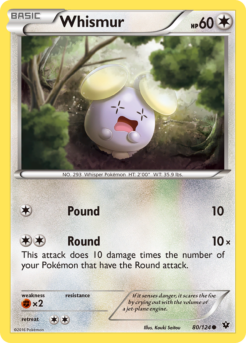
Fates Collide
If it senses danger, it scares the foe by crying out with the volume of a jet-plane engine.
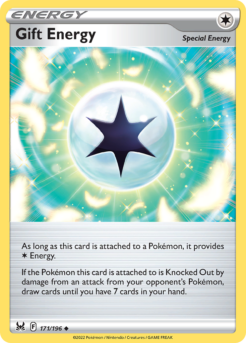
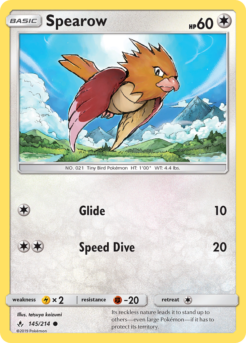
Sun & Moon
Its reckless nature leads it to stand up to others—even large Pokémon—if it has to protect its territory.
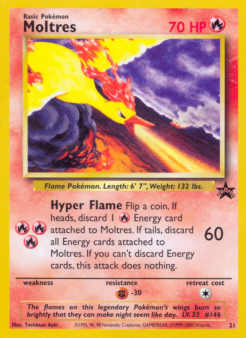
Base
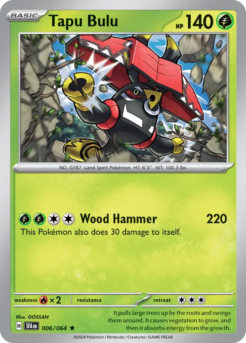
The flames on this legendary Pokémon's wings burn so brightly that they can make night seem like day.
Sun & Moon
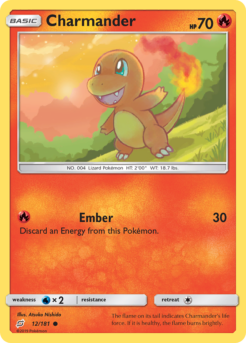
The flame on its tail indicates Charmander's life force. If it is healthy, the flame burns brightly.
Podobne produkty
Sword & Shield
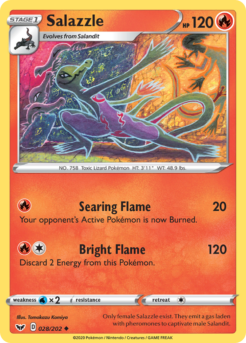
Only female Salazzle exist. They emit a gas laden with pheromones to captivate male Salandit.
Sword & Shield
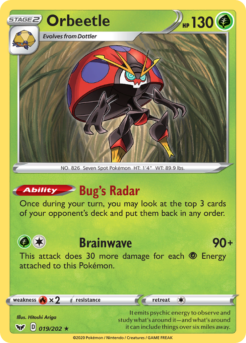
It emits psychic energy to observe and study what's around it—and what's around it can include things over six miles away.
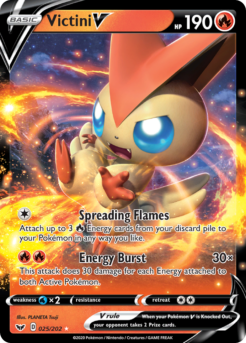
Sword & Shield
Attach up to 3 Fire Energy cards from your discard pile to your Pokémon in any way you like.
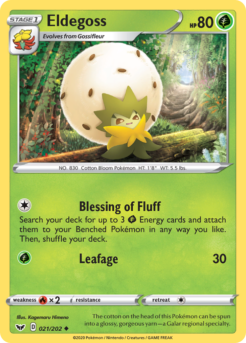
Sword & Shield
The cotton on the head of this Pokémon can be spun into a glossy, gorgeous yarn—a Galar regional specialty.
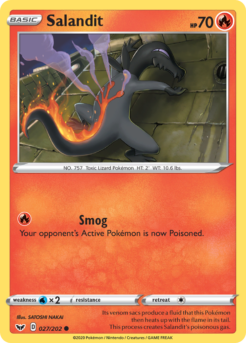
Sword & Shield
Its venom sacs produce a fluid that this Pokémon then heats up with the flame in its tail. This process creates Salandit's poisonous gas.
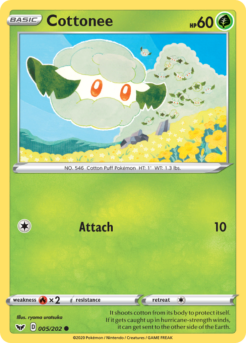
Sword & Shield
It shoots cotton from its body to protect itself. If it gets caught up in hurricane-strength winds, it can get sent to the other side of the Earth.
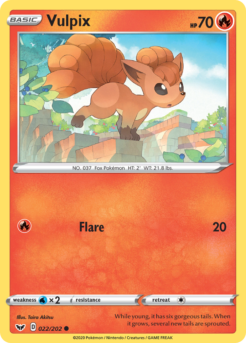
Sword & Shield
While young, it has six gorgeous tails. When it grows, several new tails are sprouted.
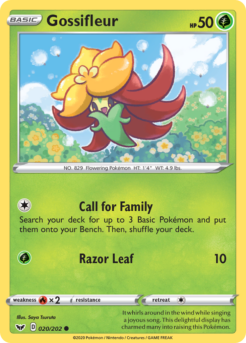
Sword & Shield
It whirls around in the wind while singing a joyous song. This delightful display has charmed many into raising this Pokémon.