


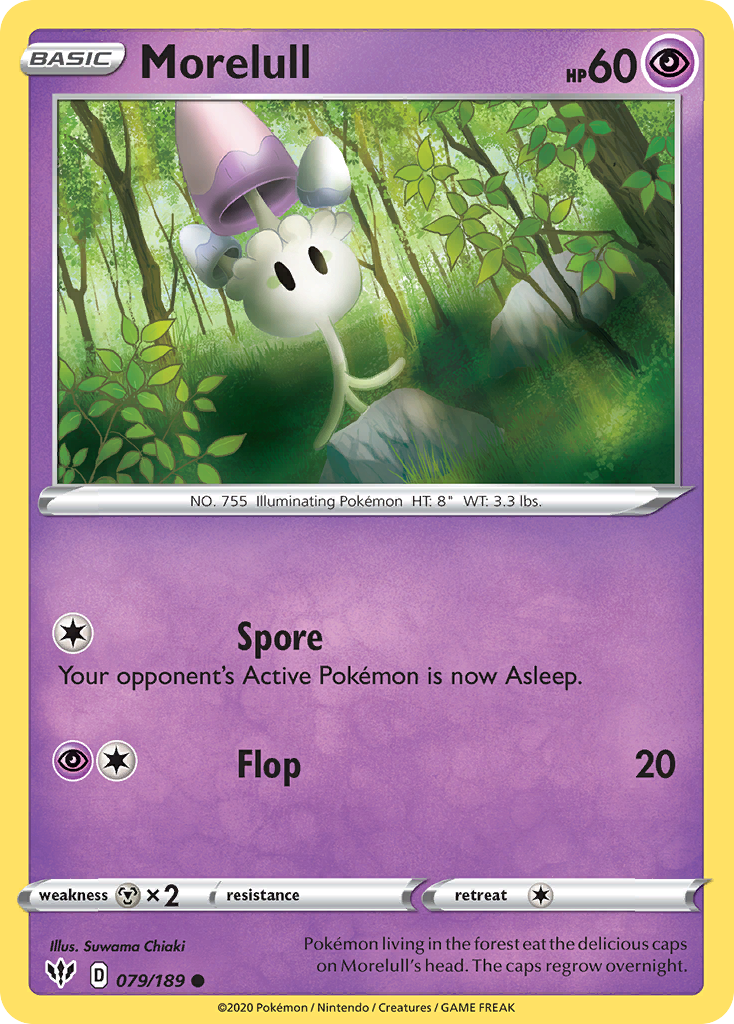
Morelull
Pokémon living in the forest eat the delicious caps on Morelull’s head. The caps regrow overnight.
Your opponent’s Active Pokémon is now Asleep.
| Supertype | Pokémon |
|---|---|
| Subtype | Basic |
| HP | 60 |
| Types | Psychic |
| Attack | Spore |
| Attack cost | Colorless |
| Artist | Suwama Chiaki |
| Rarity | Common |
| Pokédex | 755 |
| Evolves to | Shiinotic |
Vendor Information
- Store Name: DutchGem
- Vendor: DutchGem
-
Address:
gekkestraat
179
2345GT Utrecht
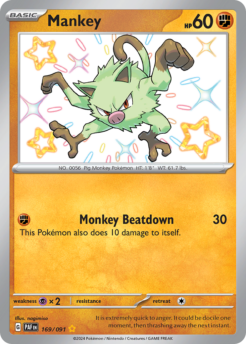
Paldean Fates
It is extremely quick to anger. It could be docile one moment, then thrashing away the next instant.
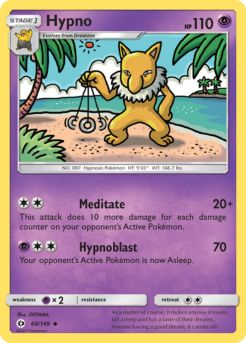
Sun & Moon
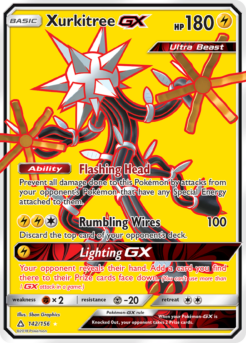
As a matter of course, it makes anyone it meets fall asleep and has a taste of their dreams. Anyone having a good dream, it carries off.
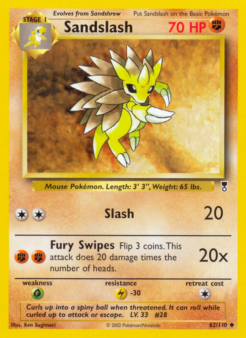
Base
Curls up into a spiny ball when threatened. It can roll while curled up to attack or escape.
Sword & Shield
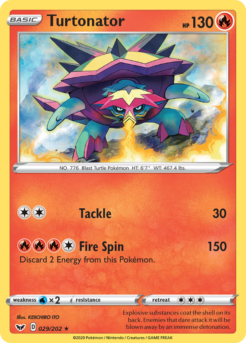
Explosive substances coat the shell on its back. Enemies that dare attack it will be blown away by an immense detonation.
151
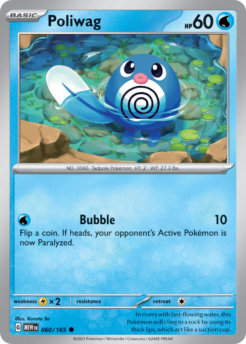
In rivers with fast-flowing water, this Pokémon will cling to a rock by using its thick lips, which act like a suction cup.