



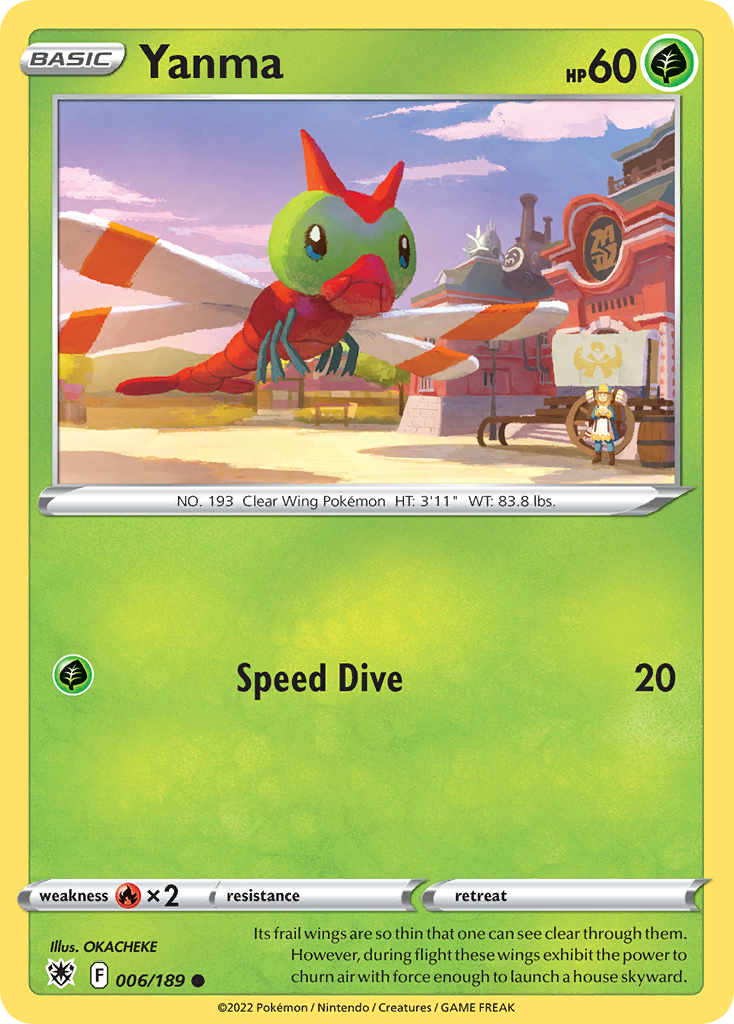
Yanma
Its frail wings are so thin that one can see clear through them. However, during flight these wings exhibit the power to churn air with force enough to launch a house skyward.
| Supertype | Pokémon |
|---|---|
| Subtype | Basic |
| HP | 60 |
| Types | Grass |
| Attack | Speed Dive |
| Attack cost | Grass |
| Artist | OKACHEKE |
| Rarity | Common |
| Pokédex | 193 |
| Evolves to | Yanmega |
Vendor Information
- Store Name: DutchGem
- Vendor: DutchGem
-
Address:
gekkestraat
179
2345GT Utrecht
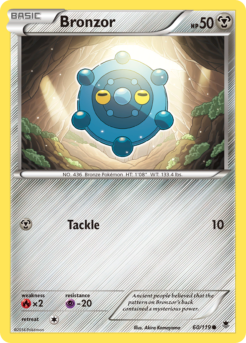
Phantom Forces
Ancient people believed that the pattern on Bronzor's back contained a mysterious power.
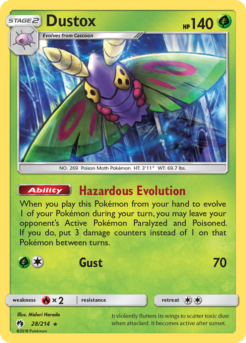
Lost Thunder
It violently flutters its wings to scatter toxic dust when attacked. It becomes active after sunset.
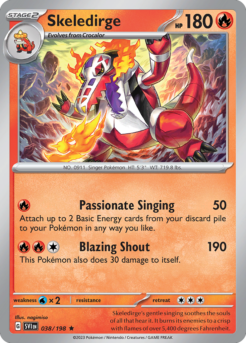
Scarlet & Violet
Skeledirge's gentle singing soothes the souls of all that hear it. It burns its enemies to a crisp with flames of over 5,400 degrees Fahrenheit.
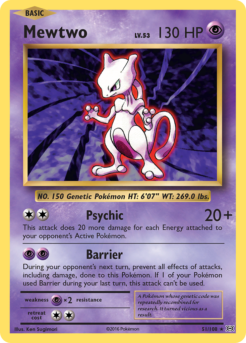
Evolutions
A Pokémon whose genetic code was repeatedly recombined for research. It turned vicious as a result.
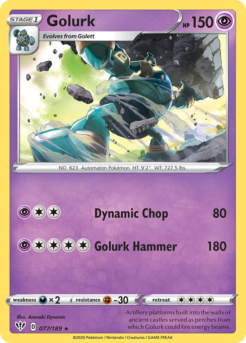
Darkness Ablaze
Artillery platforms built into the walls of ancient castles served as perches from which Golurk could fire energy beams.
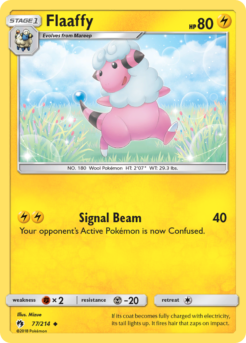
Lost Thunder
If its coat becomes fully charged with electricity, its tail lights up. It fires hair that zaps on impact.
Related products
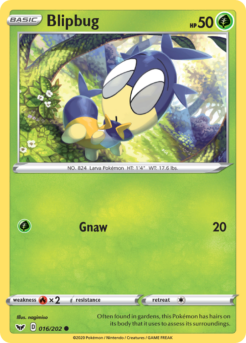
Sword & Shield
Often found in gardens, this Pokémon has hairs on its body that it uses to assess its surroundings.
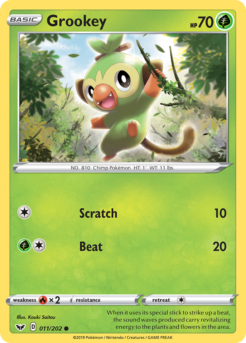
Sword & Shield
When it uses its special stick to strike up a beat, the sound waves produced carry revitalizing energy to the plants and flowers in the area.
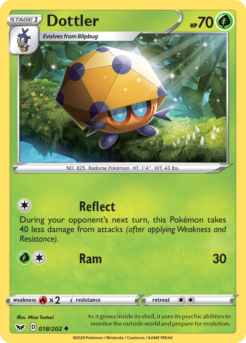
Sword & Shield
As it grows inside its shell, it uses its psychic abilities to monitor the outside world and prepare for evolution.
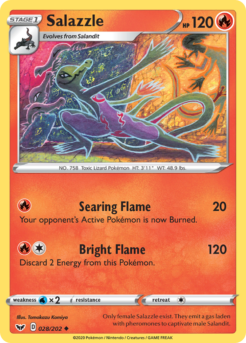
Sword & Shield
Only female Salazzle exist. They emit a gas laden with pheromones to captivate male Salandit.
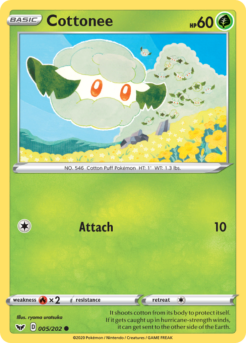
Sword & Shield
It shoots cotton from its body to protect itself. If it gets caught up in hurricane-strength winds, it can get sent to the other side of the Earth.
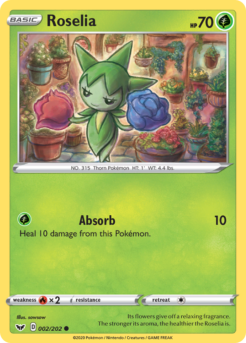
Sword & Shield
Its flowers give off a relaxing fragrance. The stronger its aroma, the healthier the Roselia is.
Sword & Shield
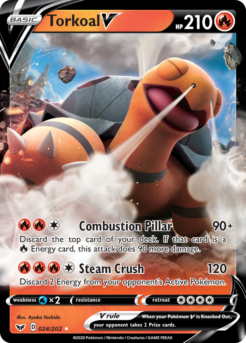
Discard the top card of your deck. If that card is a Fire Energy card, this attack does 90 more damage.
Sword & Shield
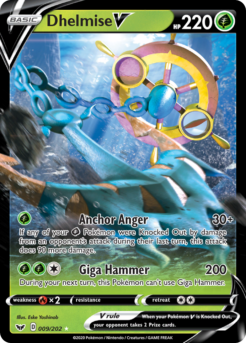
If any of your Grass Pokémon were Knocked Out by damage from an opponent’s attack during their last turn, this attack does 90 more damage.