



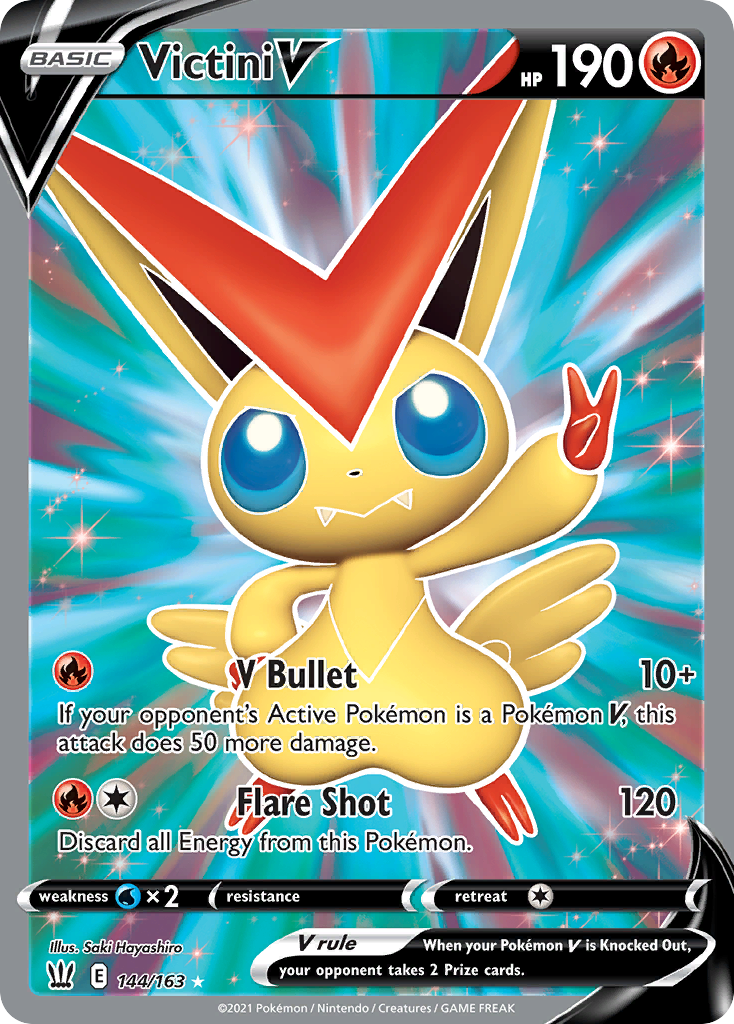


If your opponent’s Active Pokémon is a Pokémon V, this attack does 50 more damage.
| Supertype | Pokémon |
|---|---|
| Subtype | Basic |
| HP | 190 |
| Types | Fire |
| Attack | V Bullet |
| Attack cost | Fire |
| Artist | Saki Hayashiro |
| Rarity | Rare Ultra |
| Pokédex | 494 |
Vendor Information
- Store Name: DutchGem
- Vendor: DutchGem
-
Address:
gekkestraat
179
2345GT Utrecht
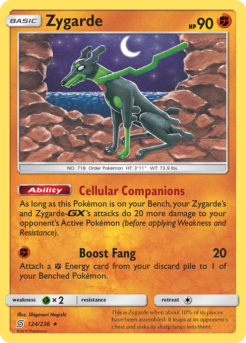
Sun & Moon
This is Zygarde when about 10% of its pieces have been assembled. It leaps at its opponent's chest and sinks its sharp fangs into them.
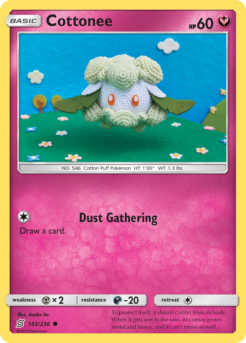
Sun & Moon
To protect itself, it shoots cotton from its body. When it gets wet in the rain, its cotton grows moist and heavy, and it can't move as well.
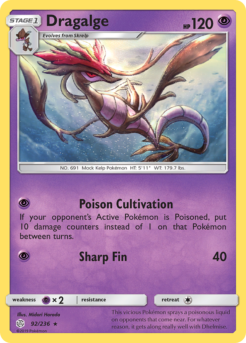
Cosmic Eclipse
This vicious Pokémon sprays a poisonous liquid on opponents that come near. For whatever reason, it gets along really well with Dhelmise.
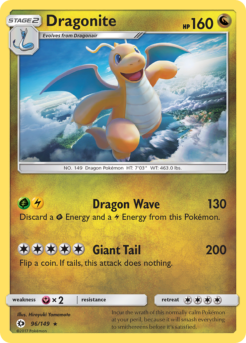
Sun & Moon
Incur the wrath of this normally calm Pokémon at your peril, because it will smash everything to smithereens before it's satisfied.
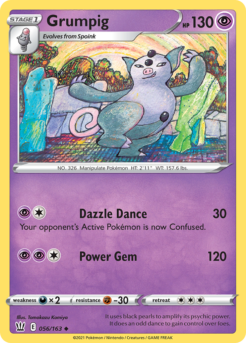
Battle Styles
It uses black pearls to amplify its psychic power. It does an odd dance to gain control over foes.
Related products
Sword & Shield
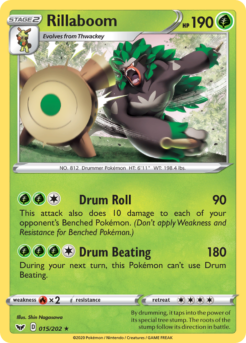
By drumming, it taps into the power of its special tree stump. The roots of the stump follow its direction in battle.
Sword & Shield
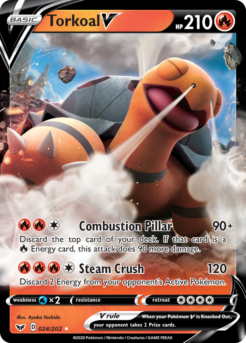
Discard the top card of your deck. If that card is a Fire Energy card, this attack does 90 more damage.
Sword & Shield
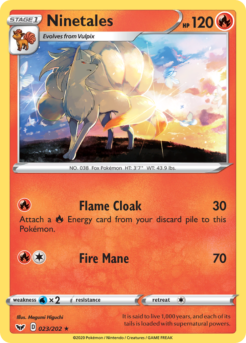
It is said to live 1,000 years, and each of its tails is loaded with supernatural powers.
Sword & Shield
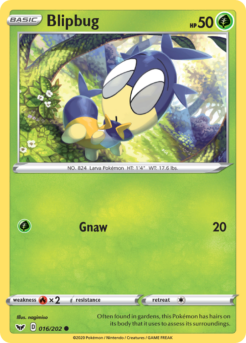
Often found in gardens, this Pokémon has hairs on its body that it uses to assess its surroundings.
Sword & Shield
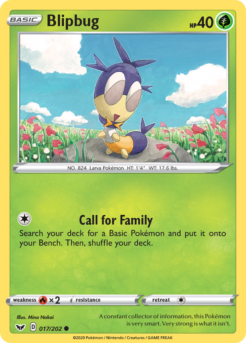
A constant collector of information, this Pokémon is very smart. Very strong is what it isn't.
Sword & Shield
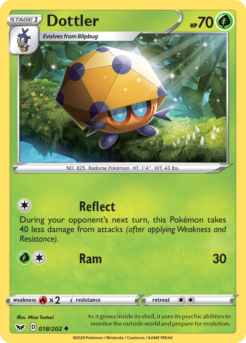
As it grows inside its shell, it uses its psychic abilities to monitor the outside world and prepare for evolution.
Sword & Shield
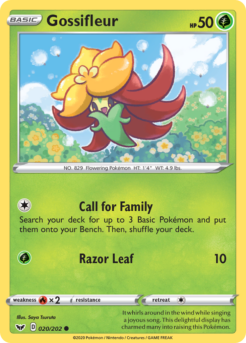
It whirls around in the wind while singing a joyous song. This delightful display has charmed many into raising this Pokémon.
Sword & Shield
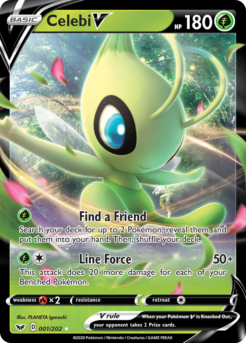
Search your deck for up to 2 Pokémon, reveal them, and put them into your hand. Then, shuffle your deck.