



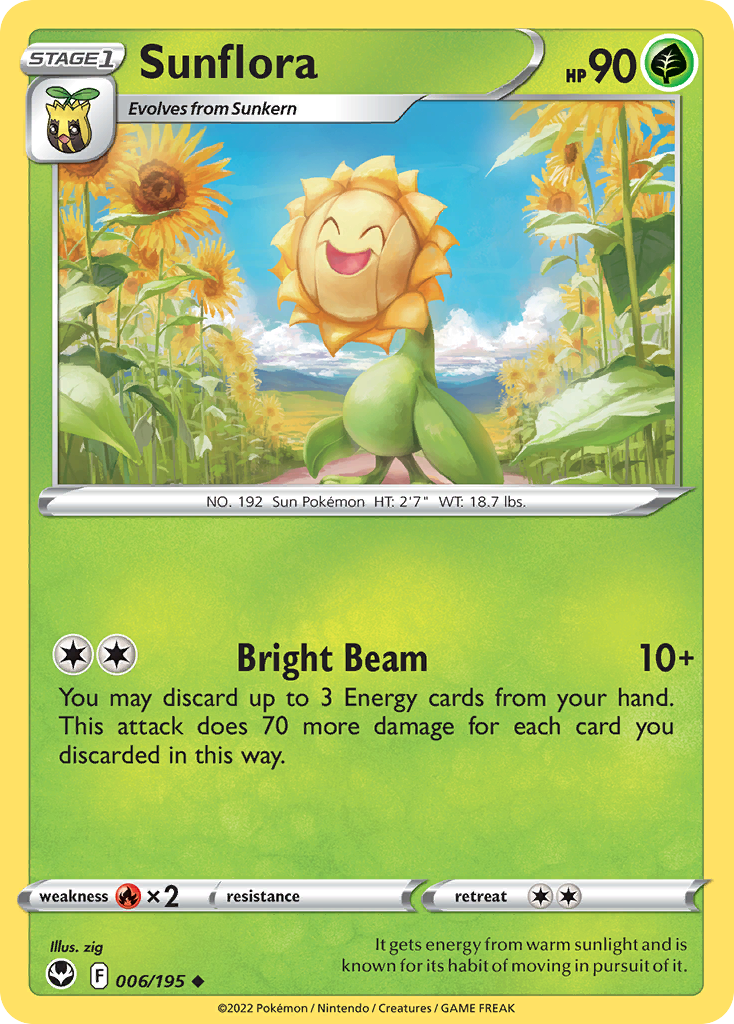
Sunflora
It gets energy from warm sunlight and is known for its habit of moving in pursuit of it.
You may discard up to 3 Energy cards from your hand. This attack does 70 more damage for each card you discarded in this way.
| Supertype | Pokémon |
|---|---|
| Subtype | Stage 1 |
| HP | 90 |
| Types | Grass |
| Attack | Bright Beam |
| Attack cost | Colorless |
| Artist | zig |
| Rarity | Uncommon |
| Pokédex | 192 |
| Evolves from | Sunkern |
Vendor Information
- Store Name: DutchGem
- Vendor: DutchGem
-
Address:
gekkestraat
179
2345GT Utrecht
Lost Thunder
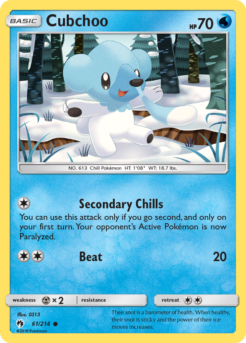
Their snot is a barometer of health. When healthy, their snot is sticky and the power of their ice moves increases.
Sun & Moon
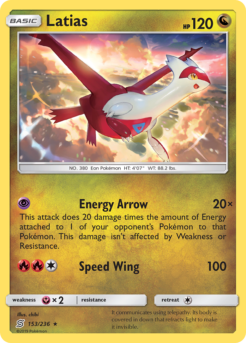
It communicates using telepathy. Its body is covered in down that refracts light to make it invisible.
151
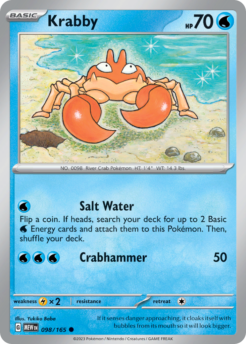
If it senses danger approaching, it cloaks itself with bubbles from its mouth so it will look bigger.
Sword & Shield
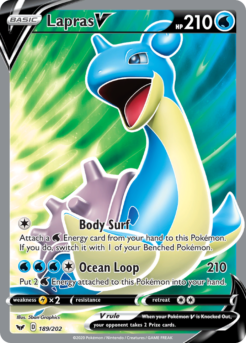
Attach a Water Energy card from your hand to this Pokémon. If you do, switch it with 1 of your Benched Pokémon.
Sun & Moon
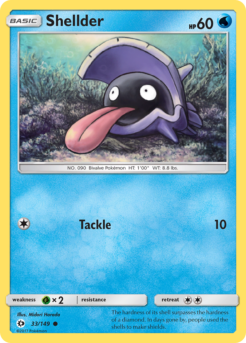
The hardness of its shell surpasses the hardness of a diamond. In days gone by, people used the shells to make shields.