



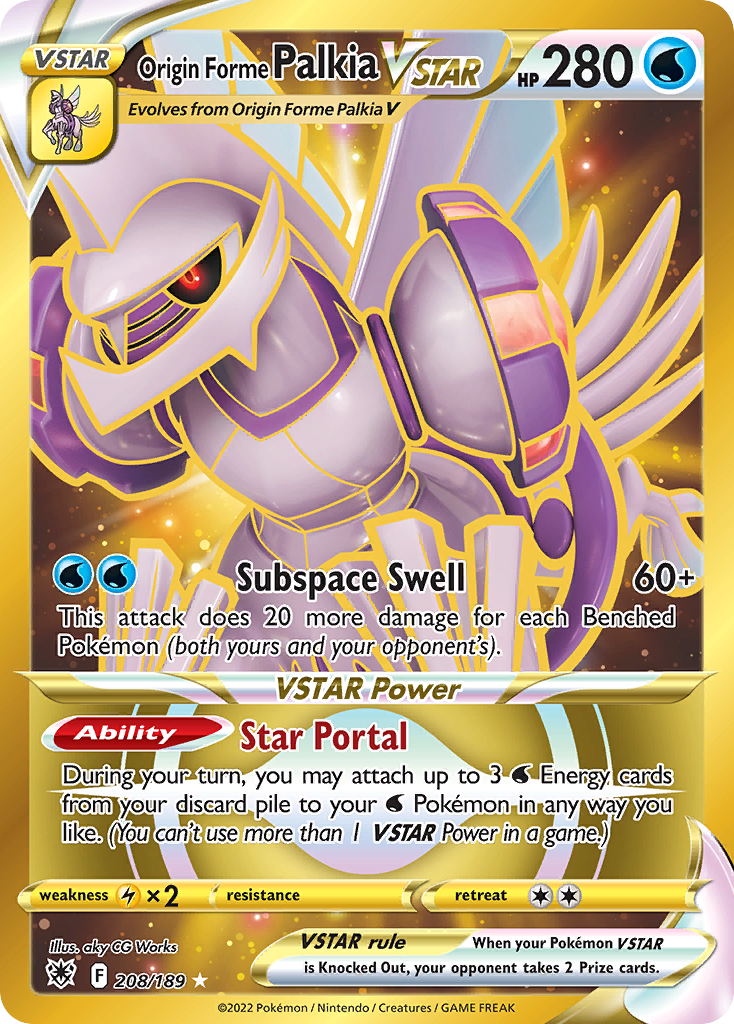

This attack does 20 more damage for each Benched Pokémon (both yours and your opponent’s).
| Supertype | Pokémon |
|---|---|
| Subtype | VSTAR |
| HP | 280 |
| Types | Water |
| Attack | Subspace Swell |
| Attack cost | Water |
| Artist | aky CG Works |
| Rarity | Rare Secret |
| Pokédex | 484 |
| Evolves from | Origin Forme Palkia V |
Vendor Information
- Store Name: DutchGem
- Vendor: DutchGem
-
Address:
gekkestraat
179
2345GT Utrecht
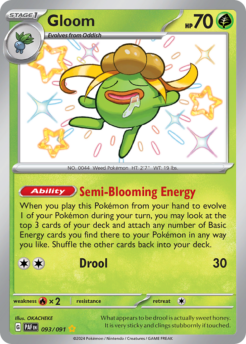
Paldean Fates
What appears to be drool is actually sweet honey. It is very sticky and clings stubbornly if touched.
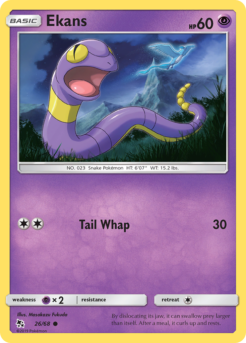
Hidden Fates
By dislocating its jaw, it can swallow prey larger than itself. After a meal, it curls up and rests.
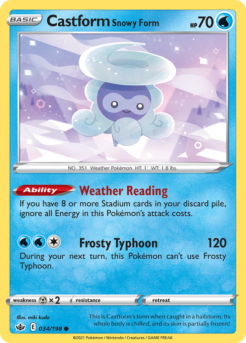
Chilling Reign
This is Castform's form when caught in a hailstorm. Its whole body is chilled, and its skin is partially frozen!
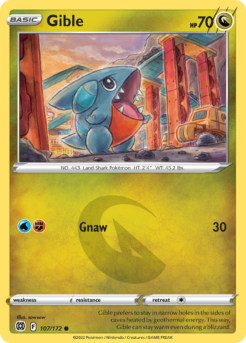
Brilliant Stars
Gible prefers to stay in narrow holes in the sides of caves heated by geothermal energy. This way, Gible can stay warm even during a blizzard.
Related products
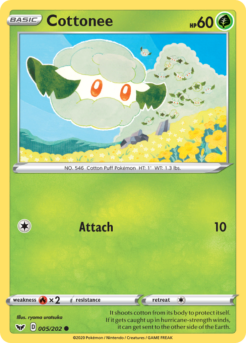
Sword & Shield
It shoots cotton from its body to protect itself. If it gets caught up in hurricane-strength winds, it can get sent to the other side of the Earth.
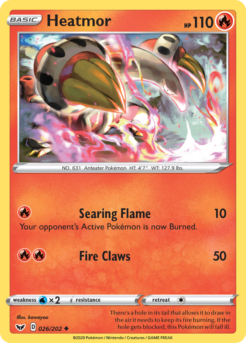
Sword & Shield
There's a hole in its tail that allows it to draw in the air it needs to keep its fire burning. If the hole gets blocked, this Pokémon will fall ill.
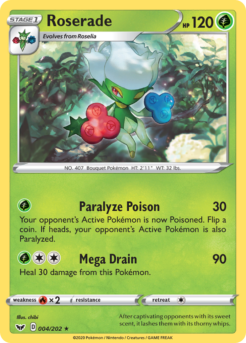
Sword & Shield
After captivating opponents with its sweet scent, it lashes them with its thorny whips.
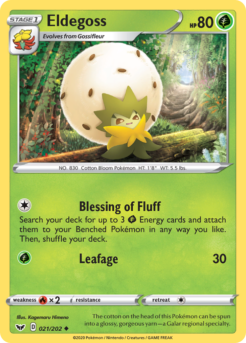
Sword & Shield
The cotton on the head of this Pokémon can be spun into a glossy, gorgeous yarn—a Galar regional specialty.
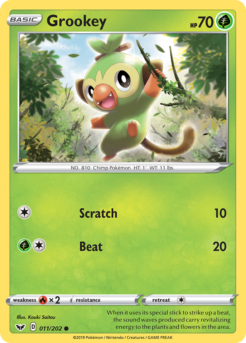
Sword & Shield
When it uses its special stick to strike up a beat, the sound waves produced carry revitalizing energy to the plants and flowers in the area.
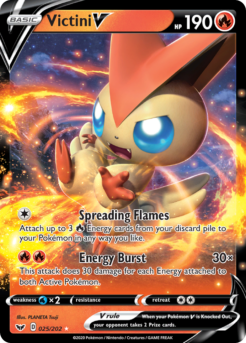
Sword & Shield
Attach up to 3 Fire Energy cards from your discard pile to your Pokémon in any way you like.
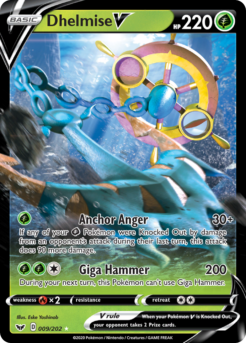
Sword & Shield
If any of your Grass Pokémon were Knocked Out by damage from an opponent’s attack during their last turn, this attack does 90 more damage.
Sword & Shield
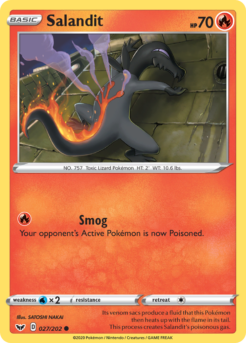
Its venom sacs produce a fluid that this Pokémon then heats up with the flame in its tail. This process creates Salandit's poisonous gas.