






Choose 1 of your Benched Fusion Strike Pokémon’s attacks and use it as this attack.
| Supertype | Pokémon |
|---|---|
| Subtype | VMAX |
| HP | 310 |
| Types | Psychic |
| Attack | Cross Fusion Strike |
| Attack cost | Colorless |
| Artist | 5ban Graphics |
| Rarity | Rare Rainbow |
| Pokédex | 151 |
| Evolves from | Mew V |
Vendor Information
- Store Name: DutchGem
- Vendor: DutchGem
-
Address:
gekkestraat
179
2345GT Utrecht
Sun & Moon
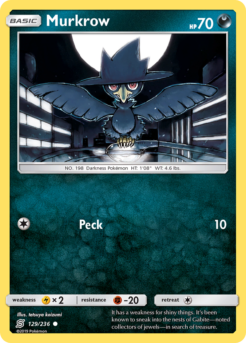
It has a weakness for shiny things. It's been known to sneak into the nests of Gabite—noted collectors of jewels—in search of treasure.
Sword & Shield
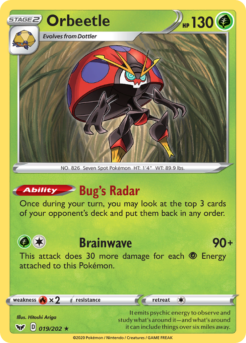
It emits psychic energy to observe and study what's around it—and what's around it can include things over six miles away.
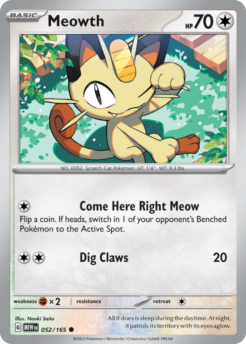
151
All it does is sleep during the daytime. At night, it patrols its territory with its eyes aglow.
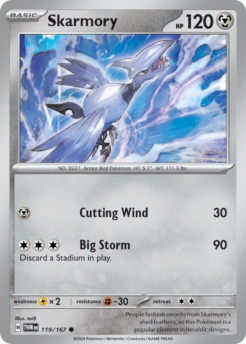
Scarlet & Violet
People fashion swords from Skarmory's shed feathers, so this Pokémon is a popular element in heraldic designs.
Related products
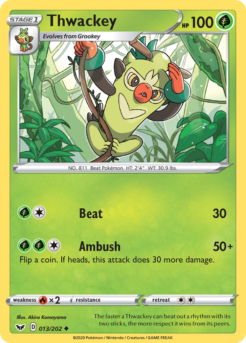
Sword & Shield
The faster a Thwackey can beat out a rhythm with its two sticks, the more respect it wins from its peers.
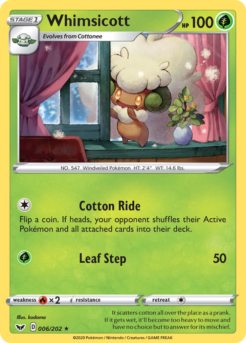
Sword & Shield
It scatters cotton all over the place as a prank. If it gets wet, it'll become too heavy to move and have no choice but to answer for its mischief.
Sword & Shield
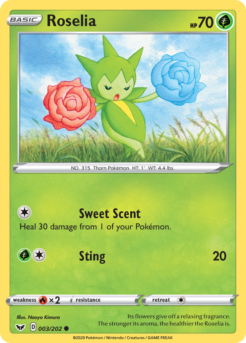
Its flowers give off a relaxing fragrance. The stronger its aroma, the healthier the Roselia is.
Sword & Shield
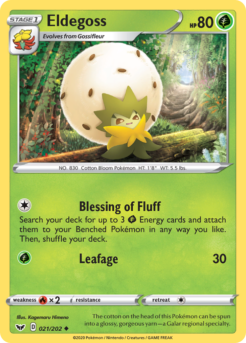
The cotton on the head of this Pokémon can be spun into a glossy, gorgeous yarn—a Galar regional specialty.
Sword & Shield
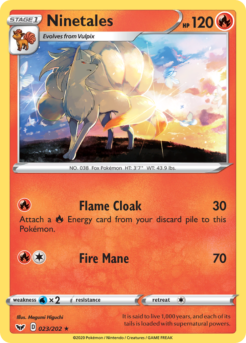
It is said to live 1,000 years, and each of its tails is loaded with supernatural powers.
Sword & Shield
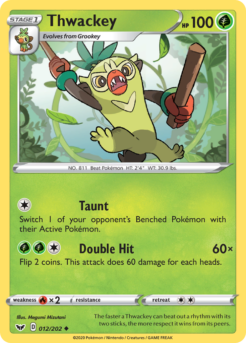
The faster a Thwackey can beat out a rhythm with its two sticks, the more respect it wins from its peers.
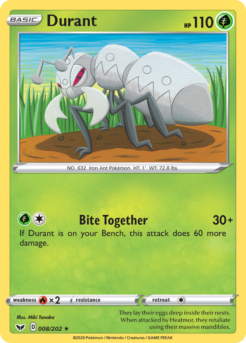
Sword & Shield
They lay their eggs deep inside their nests. When attacked by Heatmor, they retaliate using their massive mandibles.
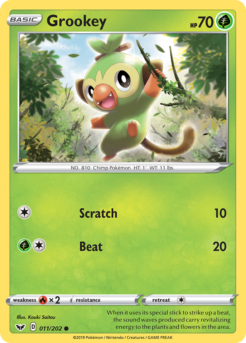
Sword & Shield
When it uses its special stick to strike up a beat, the sound waves produced carry revitalizing energy to the plants and flowers in the area.