



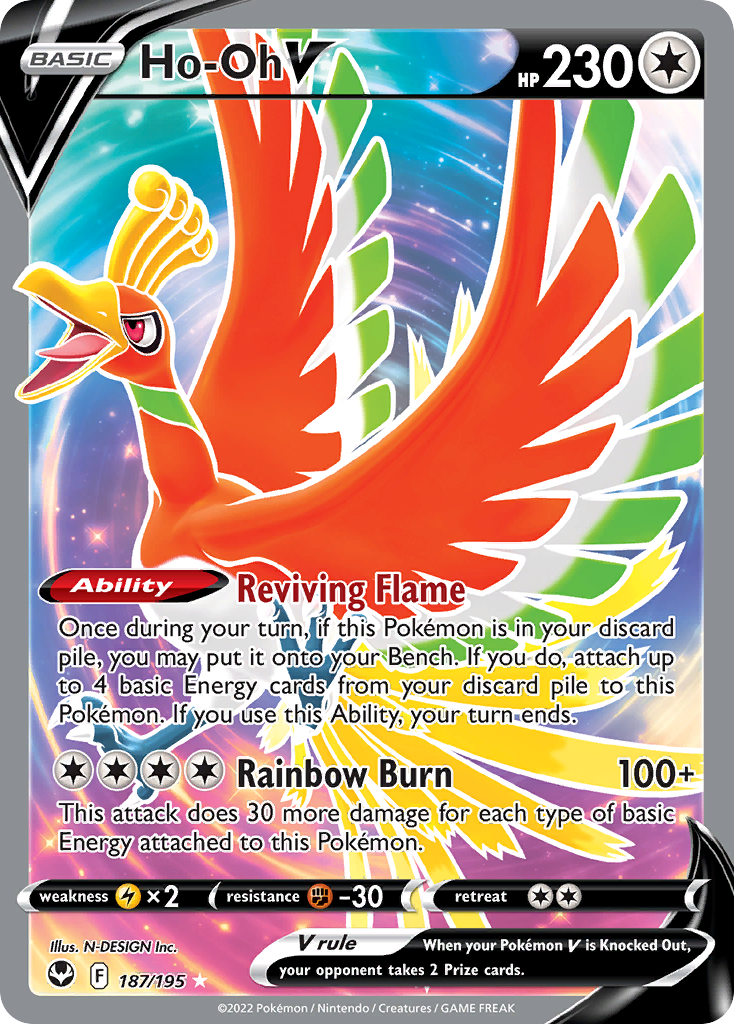
This attack does 30 more damage for each type of basic Energy attached to this Pokémon.
| Supertype | Pokémon |
|---|---|
| Subtype | Basic |
| HP | 230 |
| Types | Colorless |
| Attack | Rainbow Burn |
| Attack cost | Colorless |
| Artist | N-DESIGN Inc. |
| Rarity | Rare Ultra |
| Pokédex | 250 |
Vendor Information
- Store Name: DutchGem
- Vendor: DutchGem
-
Address:
gekkestraat
179
2345GT Utrecht
Paldea Evolved
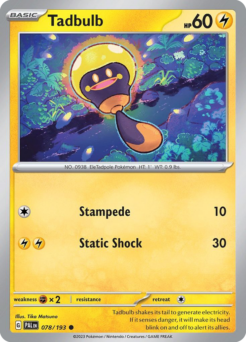
Tadbulb shakes its tail to generate electricity. If it senses danger, it will make its head blink on and off to alert its allies.
Scarlet & Violet
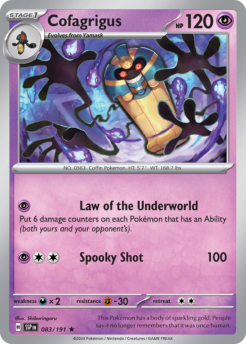
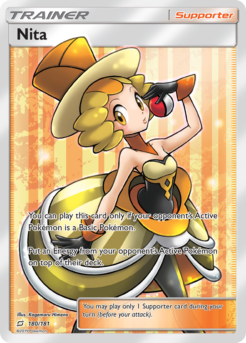
Put 6 damage counters on each Pokémon that has an Ability (both yours and your opponent’s).
Scarlet & Violet
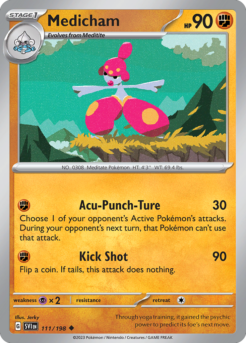
Through yoga training, it gained the psychic power to predict its foe's next move.
Related products
Sword & Shield
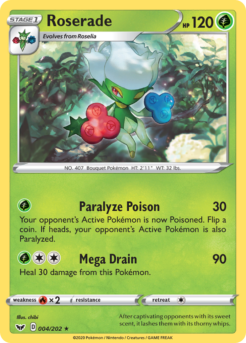
After captivating opponents with its sweet scent, it lashes them with its thorny whips.
Sword & Shield
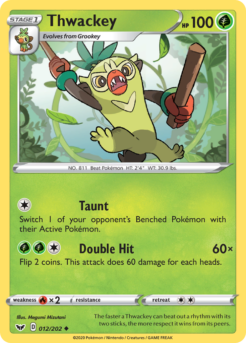
The faster a Thwackey can beat out a rhythm with its two sticks, the more respect it wins from its peers.
Sword & Shield
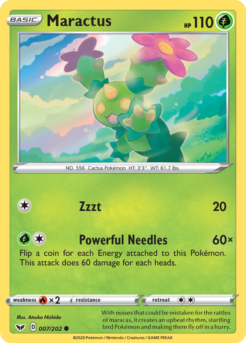
With noises that could be mistaken for the rattles of maracas, it creates an upbeat rhythm, startling bird Pokémon and making them fly off in a hurry.
Sword & Shield
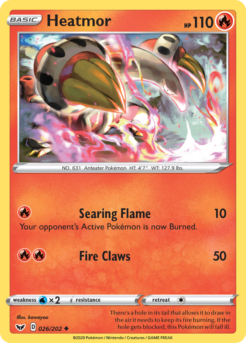
There's a hole in its tail that allows it to draw in the air it needs to keep its fire burning. If the hole gets blocked, this Pokémon will fall ill.
Sword & Shield
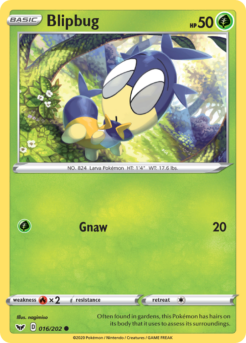
Often found in gardens, this Pokémon has hairs on its body that it uses to assess its surroundings.
Sword & Shield
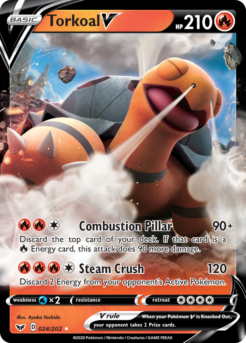
Discard the top card of your deck. If that card is a Fire Energy card, this attack does 90 more damage.
Sword & Shield
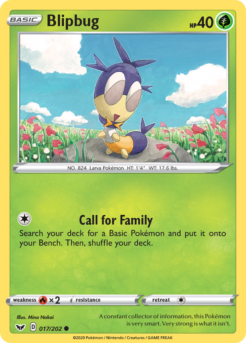
A constant collector of information, this Pokémon is very smart. Very strong is what it isn't.
Sword & Shield
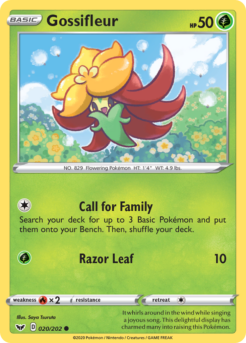
It whirls around in the wind while singing a joyous song. This delightful display has charmed many into raising this Pokémon.