



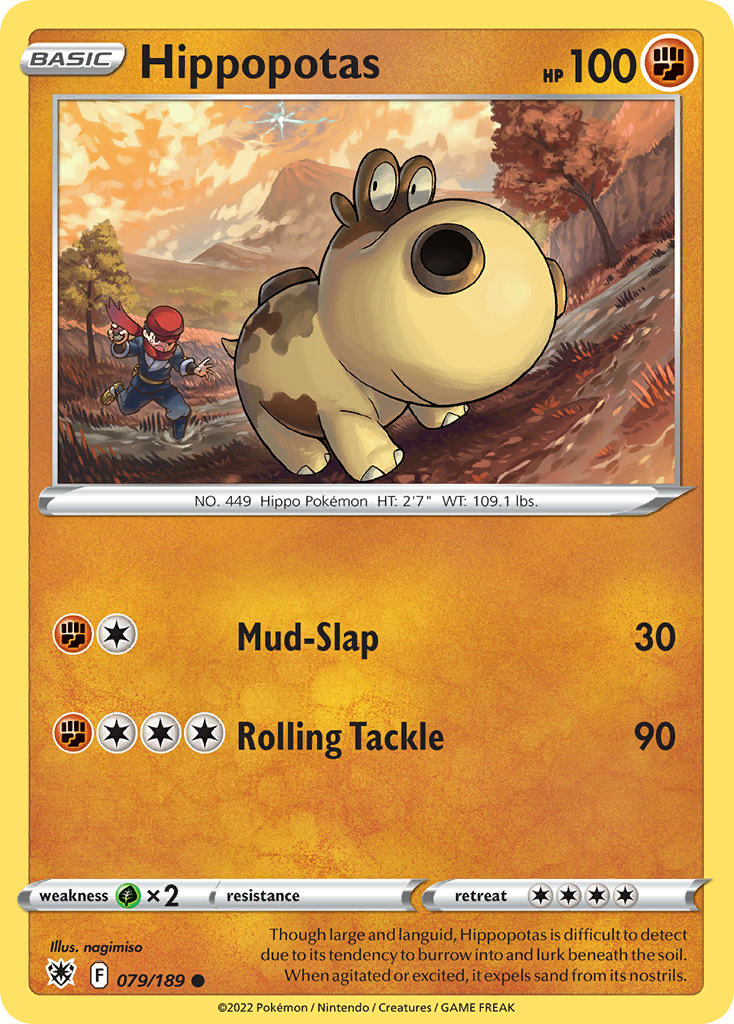
Hippopotas

Though large and languid, Hippopotas is difficult to detect due to its tendency to burrow into and lurk beneath the soil. When agitated or excited, it expels sand from its nostrils.

| Supertype | Pokémon |
|---|---|
| Subtype | Basic |
| HP | 100 |
| Types | Fighting |
| Attack | Mud-Slap |
| Attack cost | Fighting |
| Artist | nagimiso |
| Rarity | Common |
| Pokédex | 449 |
| Evolves to | Hippowdon |
Vendor Information
- Store Name: DutchGem
- Vendor: DutchGem
-
Address:
gekkestraat
179
2345GT Utrecht

Sword & Shield
It's skilled at both offense and defense, and it gets pumped up when cheered on. But if it starts showboating, it could put itself in a tough spot.
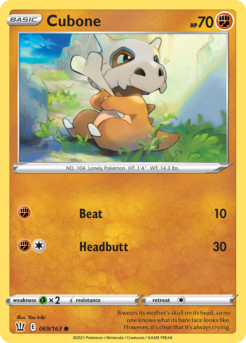
Battle Styles
It wears its mother's skull on its head, so no one knows what its bare face looks like. However, it's clear that it's always crying.
Scarlet & Violet
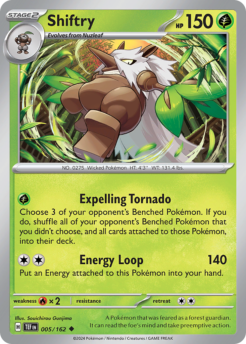
A Pokémon that was feared as a forest guardian. It can read the foe's mind and take preemptive action.
Scarlet & Violet
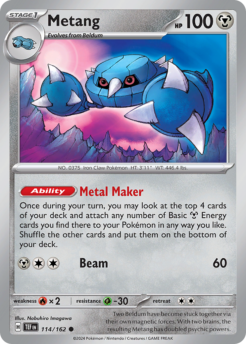
Two Beldum have become stuck together via their own magnetic forces. With two brains, the resulting Metang has doubled psychic powers.
Related products
Sword & Shield
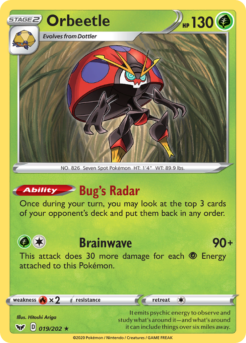
It emits psychic energy to observe and study what's around it—and what's around it can include things over six miles away.
Sword & Shield
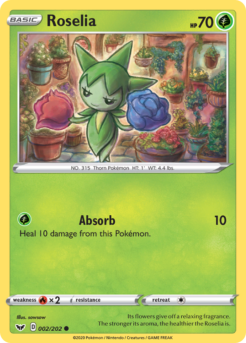
Its flowers give off a relaxing fragrance. The stronger its aroma, the healthier the Roselia is.
Sword & Shield
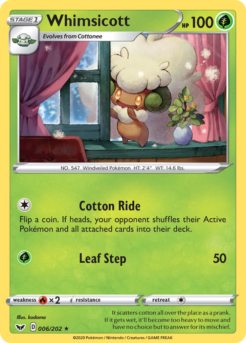
It scatters cotton all over the place as a prank. If it gets wet, it'll become too heavy to move and have no choice but to answer for its mischief.
Sword & Shield
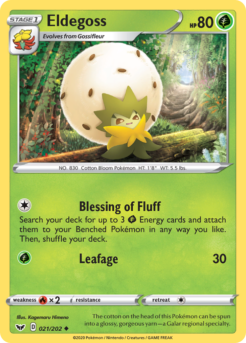
The cotton on the head of this Pokémon can be spun into a glossy, gorgeous yarn—a Galar regional specialty.
Sword & Shield
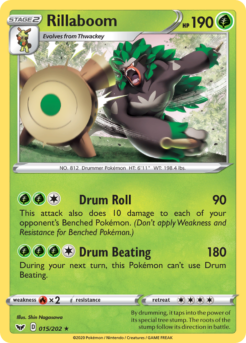
By drumming, it taps into the power of its special tree stump. The roots of the stump follow its direction in battle.
Sword & Shield
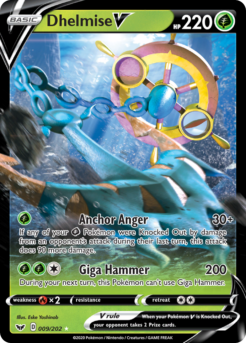
If any of your Grass Pokémon were Knocked Out by damage from an opponent’s attack during their last turn, this attack does 90 more damage.
Sword & Shield
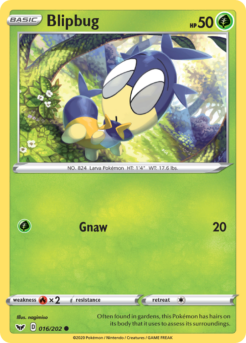
Often found in gardens, this Pokémon has hairs on its body that it uses to assess its surroundings.
Sword & Shield
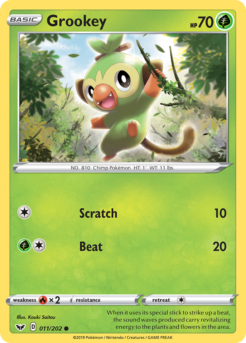
When it uses its special stick to strike up a beat, the sound waves produced carry revitalizing energy to the plants and flowers in the area.