



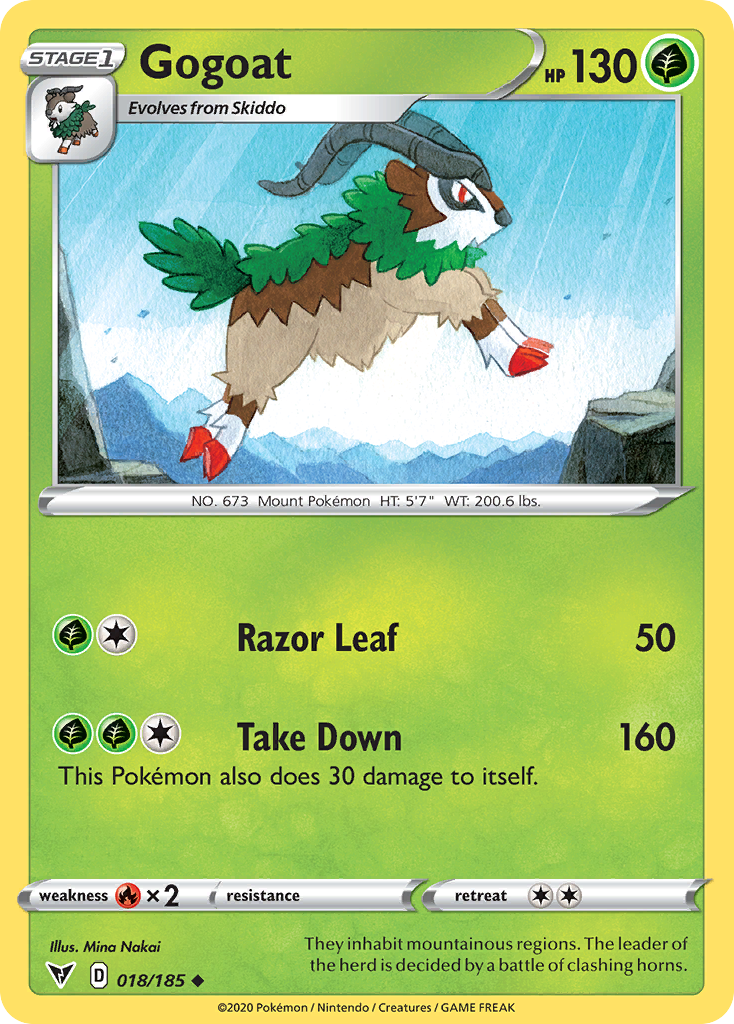
Gogoat
They inhabit mountainous regions. The leader of the herd is decided by a battle of clashing horns.
| Supertype | Pokémon |
|---|---|
| Subtype | Stage 1 |
| HP | 130 |
| Types | Grass |
| Attack | Razor Leaf |
| Attack cost | Grass |
| Artist | Mina Nakai |
| Rarity | Uncommon |
| Pokédex | 673 |
| Evolves from | Skiddo |
Vendor Information
- Store Name: DutchGem
- Vendor: DutchGem
-
Address:
gekkestraat
179
2345GT Utrecht
Lost Thunder
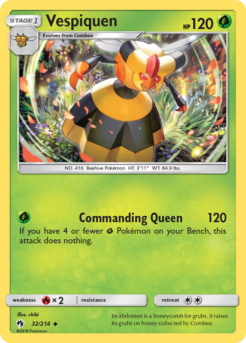
Its abdomen is a honeycomb for grubs. It raises its grubs on honey collected by Combee.
Shining Legends
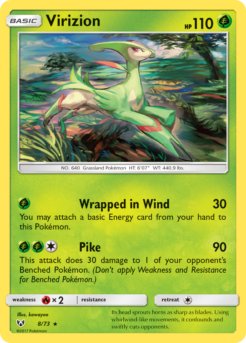
Its head sprouts horns as sharp as blades. Using whirlwind-like movements, it confounds and swiftly cuts opponents.
Sword & Shield
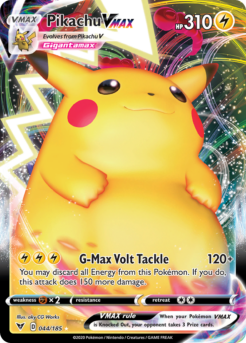
You may discard all Energy from this Pokémon. If you do, this attack does 150 more damage.
Related products
Sword & Shield
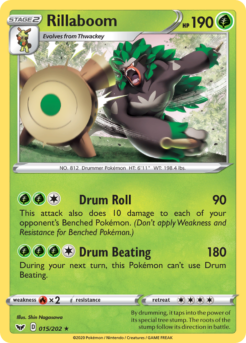
By drumming, it taps into the power of its special tree stump. The roots of the stump follow its direction in battle.
Sword & Shield
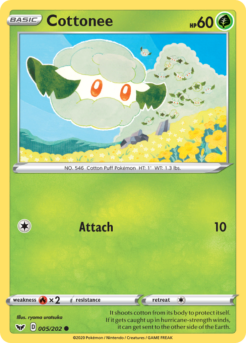
It shoots cotton from its body to protect itself. If it gets caught up in hurricane-strength winds, it can get sent to the other side of the Earth.
Sword & Shield
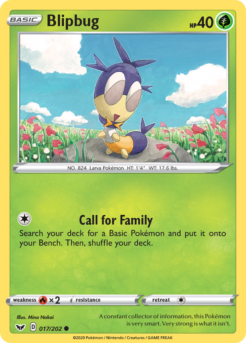
A constant collector of information, this Pokémon is very smart. Very strong is what it isn't.
Sword & Shield
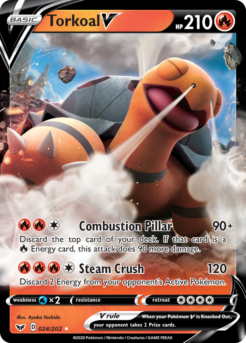
Discard the top card of your deck. If that card is a Fire Energy card, this attack does 90 more damage.
Sword & Shield
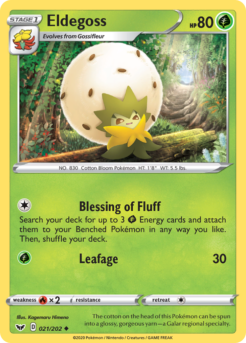
The cotton on the head of this Pokémon can be spun into a glossy, gorgeous yarn—a Galar regional specialty.
Sword & Shield
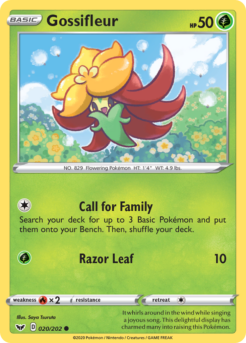
It whirls around in the wind while singing a joyous song. This delightful display has charmed many into raising this Pokémon.
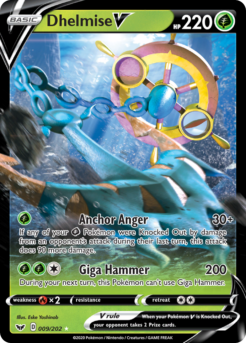
Sword & Shield
If any of your Grass Pokémon were Knocked Out by damage from an opponent’s attack during their last turn, this attack does 90 more damage.
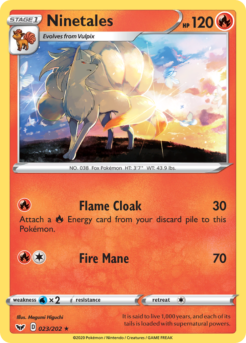
Sword & Shield
It is said to live 1,000 years, and each of its tails is loaded with supernatural powers.