



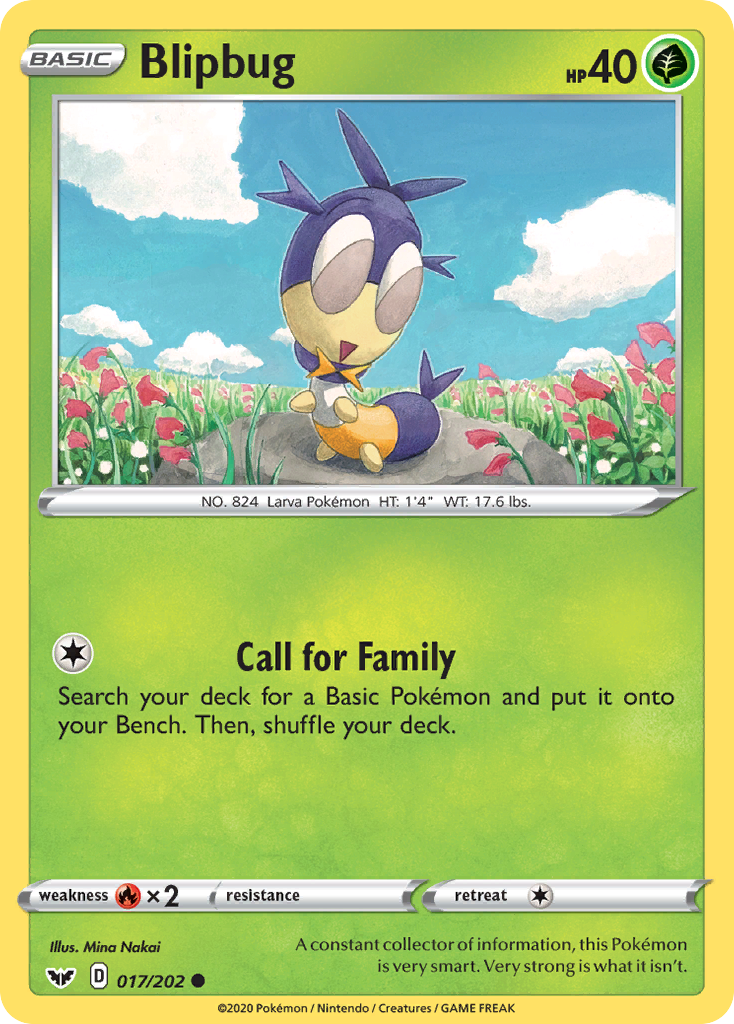
Blipbug
A constant collector of information, this Pokémon is very smart. Very strong is what it isn’t.

Search your deck for a Basic Pokémon and put it onto your Bench. Then, shuffle your deck.
| Supertype | Pokémon |
|---|---|
| Subtype | Basic |
| HP | 40 |
| Types | Grass |
| Attack | Call for Family |
| Attack cost | Colorless |
| Artist | Mina Nakai |
| Rarity | Common |
| Pokédex | 824 |
| Evolves to | Dottler |
Vendor Information
- Store Name: DutchGem
- Vendor: DutchGem
-
Address:
gekkestraat
179
2345GT Utrecht
Sun & Moon
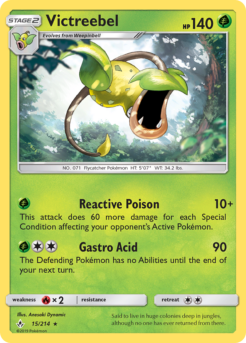
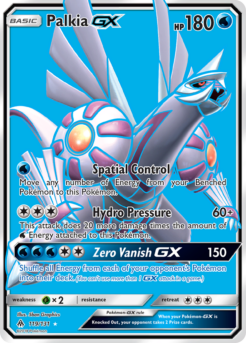
Said to live in huge colonies deep in jungles, although no one has ever returned from there.
Silver Tempest
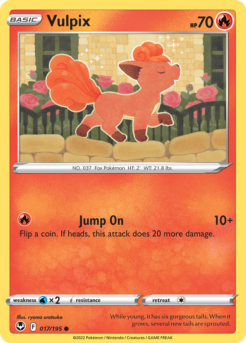
While young, it has six gorgeous tails. When it grows, several new tails are sprouted.
Sun & Moon
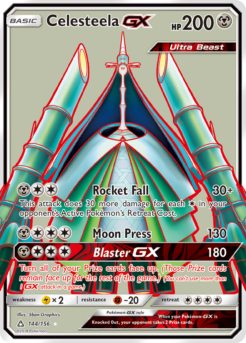
This attack does 30 more damage for each Colorless in your opponent’s Active Pokémon’s Retreat Cost.
Silver Tempest
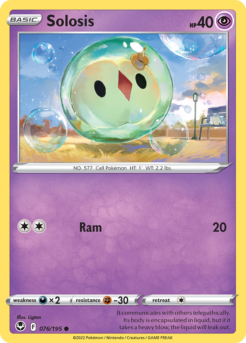
It communicates with others telepathically. Its body is encapsulated in liquid, but if it takes a heavy blow, the liquid will leak out.
Related products
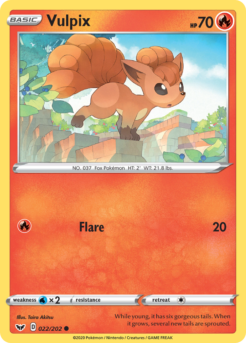
Sword & Shield
While young, it has six gorgeous tails. When it grows, several new tails are sprouted.
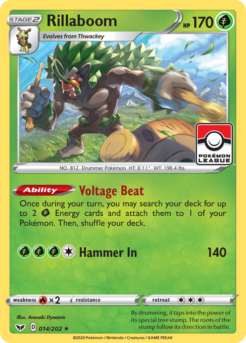
Sword & Shield
By drumming, it taps into the power of its special tree stump. The roots of the stump follow its direction in battle.
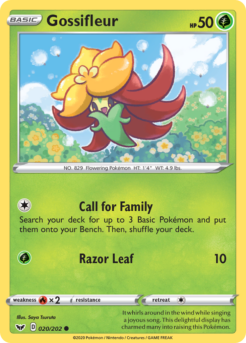
Sword & Shield
It whirls around in the wind while singing a joyous song. This delightful display has charmed many into raising this Pokémon.
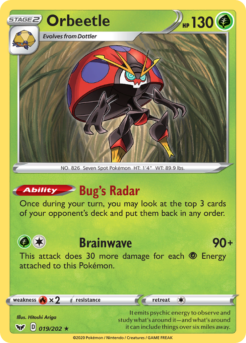
Sword & Shield
It emits psychic energy to observe and study what's around it—and what's around it can include things over six miles away.
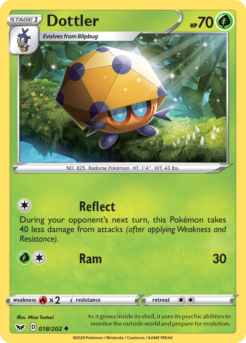
Sword & Shield
As it grows inside its shell, it uses its psychic abilities to monitor the outside world and prepare for evolution.
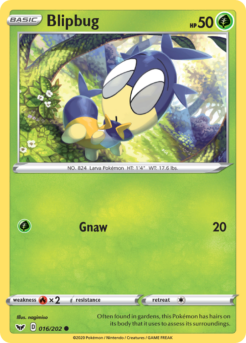
Sword & Shield
Often found in gardens, this Pokémon has hairs on its body that it uses to assess its surroundings.
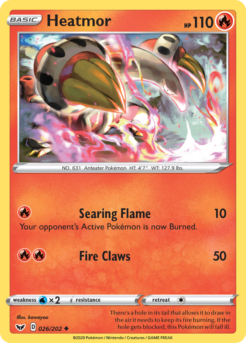
Sword & Shield
There's a hole in its tail that allows it to draw in the air it needs to keep its fire burning. If the hole gets blocked, this Pokémon will fall ill.
Sword & Shield
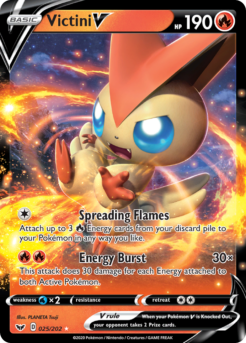
Attach up to 3 Fire Energy cards from your discard pile to your Pokémon in any way you like.