



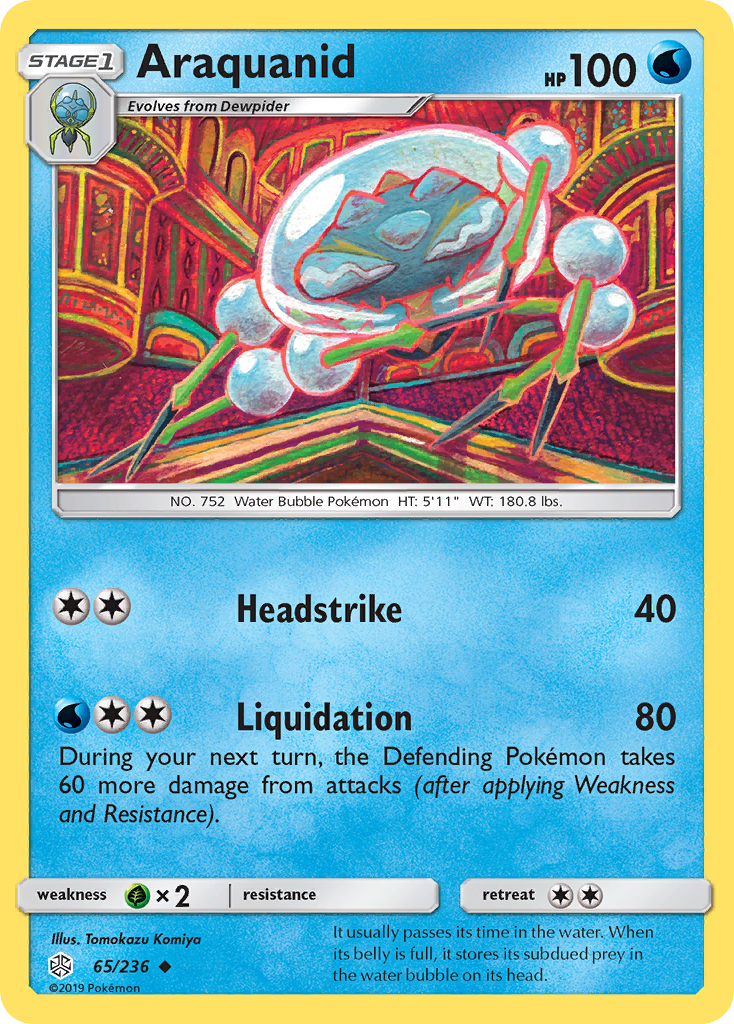
Araquanid

It usually passes its time in the water. When its belly is full, it stores its subdued prey in the water bubble on its head.
| Supertype | Pokémon |
|---|---|
| Subtype | Stage 1 |
| HP | 100 |
| Types | Water |
| Attack | Headstrike |
| Attack cost | Colorless |
| Artist | Tomokazu Komiya |
| Rarity | Uncommon |
| Pokédex | 752 |
| Evolves from | Dewpider |
Vendor Information
- Store Name: DutchGem
- Vendor: DutchGem
-
Address:
gekkestraat
179
2345GT Utrecht
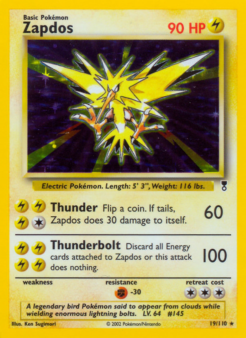
Base
A legendary bird Pokémon said to appear from clouds while wielding enormous lightning bolts.
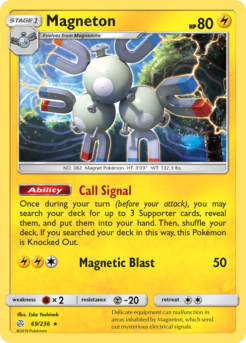
Cosmic Eclipse
Delicate equipment can malfunction in areas inhabited by Magneton, which send out mysterious electrical signals.
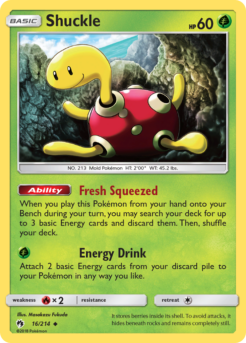
Lost Thunder
It stores berries inside its shell. To avoid attacks, it hides beneath rocks and remains completely still.
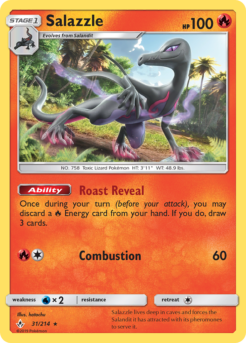
Sun & Moon
Salazzle lives deep in caves and forces the Salandit it has attracted with its pheromones to serve it.
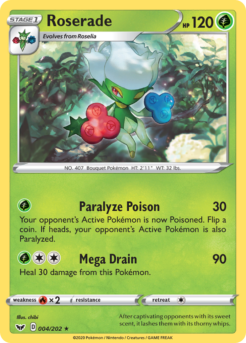
Sword & Shield
After captivating opponents with its sweet scent, it lashes them with its thorny whips.
Related products
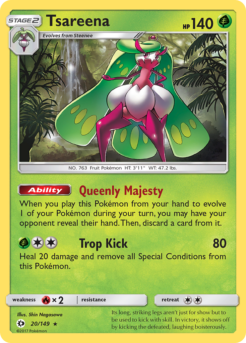
Sun & Moon
Its long, striking legs aren't just for show but to be used to kick with skill. In victory, it shows off by kicking the defeated, laughing boisterously.
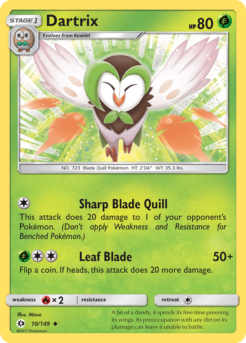
Sun & Moon
A bit of a dandy, it spends its free time preening its wings. Its preoccupation with any dirt on its plumage can leave it unable to battle.
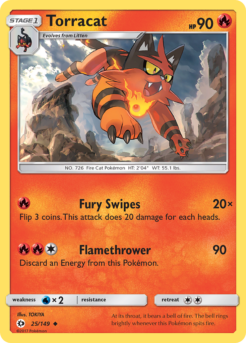
Sun & Moon
At its throat, it bears a bell of fire. The bell rings brightly whenever this Pokémon spits fire.
Sun & Moon
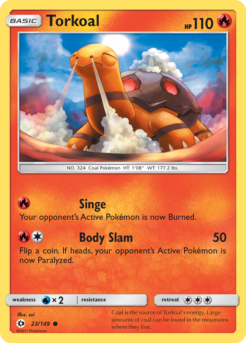
Coal is the source of Torkoal's energy. Large amounts of coal can be found in the mounts where they live.
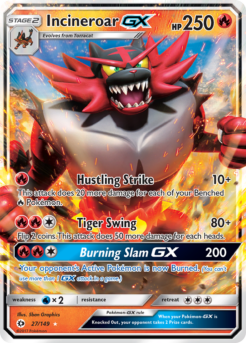
Sun & Moon
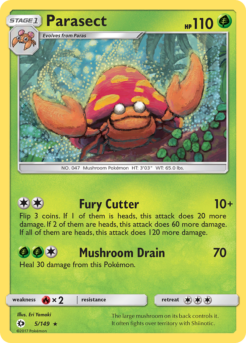
The large mushroom on its back controls it. It often fights over territory with Shiinotic.
Sun & Moon
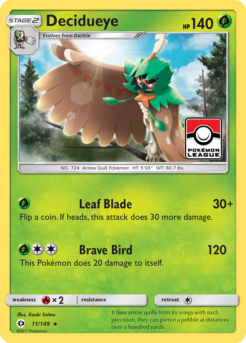
It fires arrow quills from its wings with such precision, they can pierce a pebble at distances over a hundred yards.
Sun & Moon
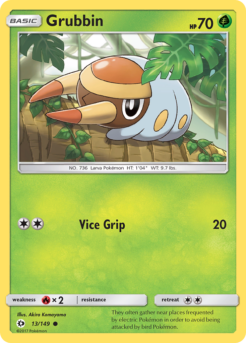
They often gather near places frequented by electric Pokémon in order to avoid being attacked by bird Pokémon.