



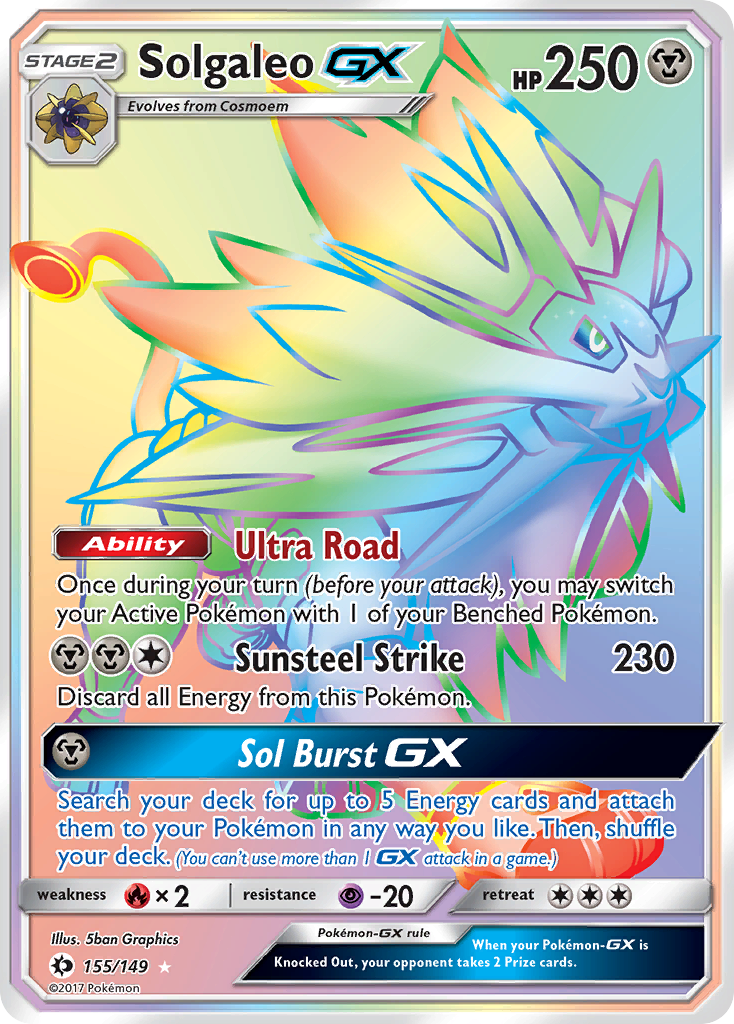
Discard all Energy from this Pokémon.
| Attack cost | Pokémon |
|---|---|
| Subtype | Stage 2 |
| HP | 250 |
| Types | Metal |
| Attack | Sunsteel Strike |
| Artist | 5ban Graphics |
| Rarity | Rare Rainbow |
| Pokédex | 791 |
| Evolves from | Cosmoem |
Vendor Information
- Store Name: DutchGem
- Vendor: DutchGem
-
Address:
gekkestraat
179
2345GT Utrecht
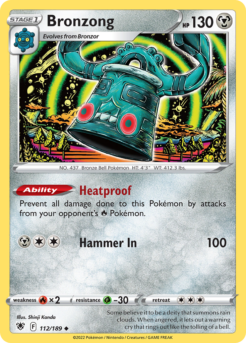
Astral Radiance
Some believe it to be a deity that summons rain clouds. When angered, it lets out a warning cry that rings out like the tolling of a bell.
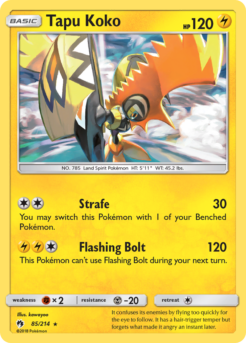
Lost Thunder
It confuses its enemies by flying too quickly for the eye to follow. It has a hair-trigger temper but forgets what made it angry an instant later.
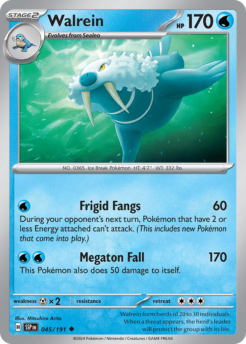
Scarlet & Violet
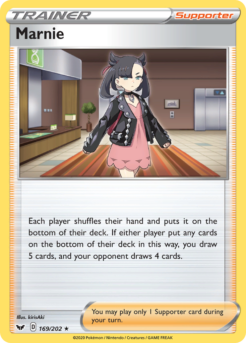
During your opponent’s next turn, Pokémon that have 2 or less Energy attached can’t attack. (This includes new Pokémon that come into play.)
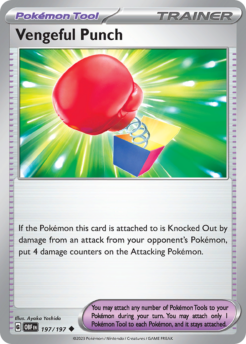
Phantom Forces
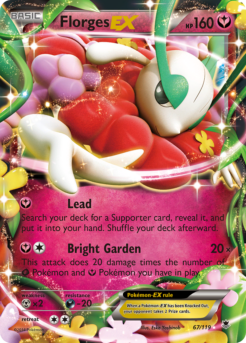
Search your deck for a Supporter card, reveal it, and put it into your hand. Shuffle your deck afterward.
Related products
Sun & Moon
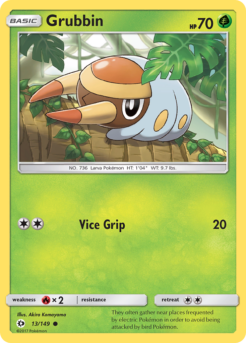
They often gather near places frequented by electric Pokémon in order to avoid being attacked by bird Pokémon.
Sun & Moon
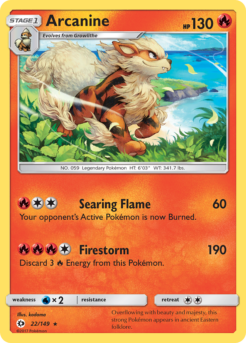
Overflowing with beauty and majesty, this strong Pokémon appears in ancient Eastern folklore.
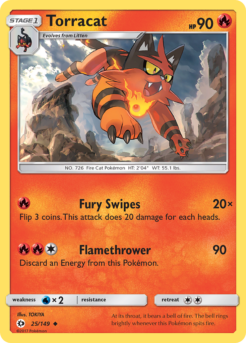
Sun & Moon
At its throat, it bears a bell of fire. The bell rings brightly whenever this Pokémon spits fire.
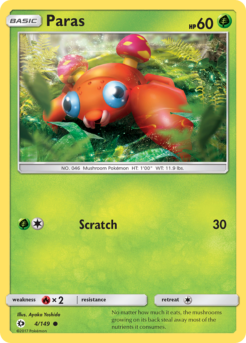
Sun & Moon
No matter how much it eats, the mushrooms growing on its back steal away most of the nutrients it consumes.
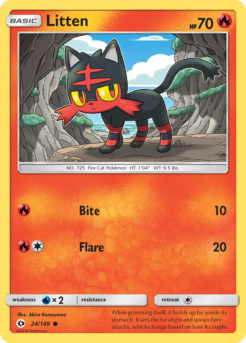
Sun & Moon
While grooming itself, it builds up fur inside its stomach. It sets the fur alight and spews fiery attacks, which change based on how it coughs.
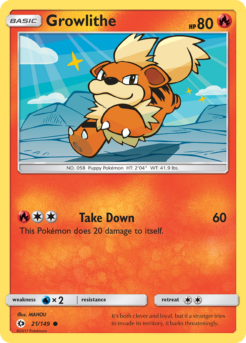
Sun & Moon
It's both clever and loyal, but if a stranger tries to invade its territory, it barks threateningly.
Sun & Moon
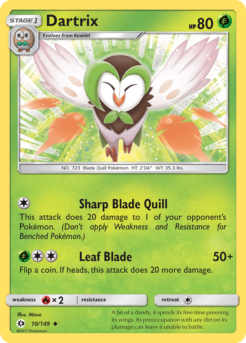
A bit of a dandy, it spends its free time preening its wings. Its preoccupation with any dirt on its plumage can leave it unable to battle.
Sun & Moon
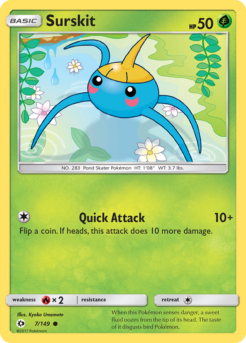
When this Pokémon senses danger, a sweet fluid oozes from the tip of its heads. The taste of it disgusts bird Pokémon.