



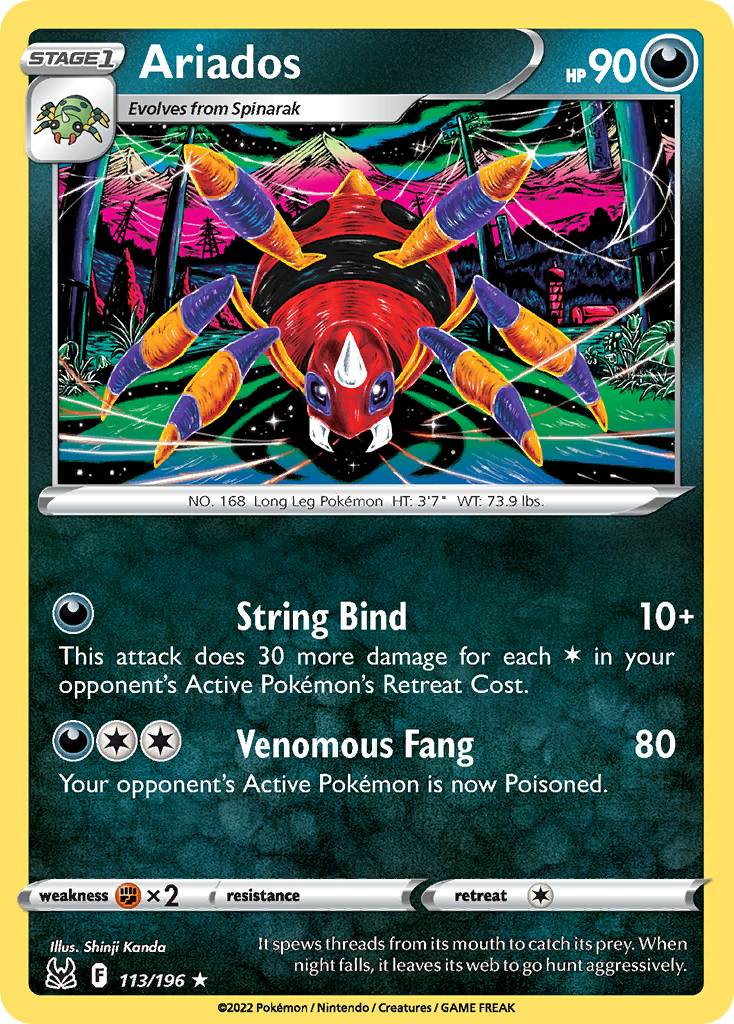
Ariados
It spews threads from its mouth to catch its prey. When night falls, it leaves its web to go hunt aggressively.

This attack does 30 more damage for each Colorless in your opponent’s Active Pokémon’s Retreat Cost.
| Supertype | Pokémon |
|---|---|
| Subtype | Stage 1 |
| HP | 90 |
| Types | Darkness |
| Attack | String Bind |
| Attack cost | Darkness |
| Artist | Shinji Kanda |
| Rarity | Rare |
| Pokédex | 168 |
| Evolves from | Spinarak |
Vendor Information
- Store Name: DutchGem
- Vendor: DutchGem
-
Address:
gekkestraat
179
2345GT Utrecht
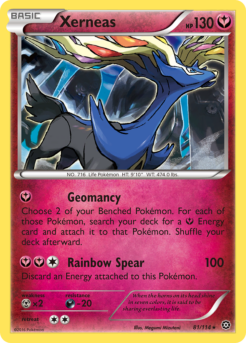
Steam Siege
Legends say it can share eternal life. It slept for a thousand years in the form of a tree before its revival.
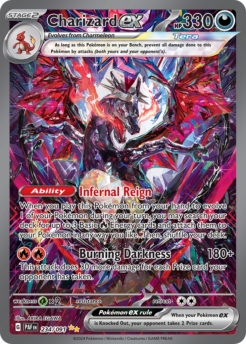
Paldean Fates
This attack does 30 more damage for each Prize card your opponent has taken.
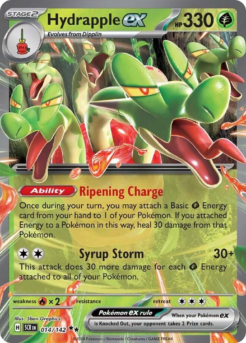
Scarlet & Violet
This attack does 30 more damage for each Grass Energy attached to all of your Pokémon.
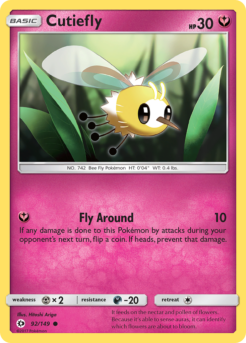
Sun & Moon
It feeds on the nectar and pollen of flowers. Because it's able to sense auras, it can identify which flowers are about to bloom.
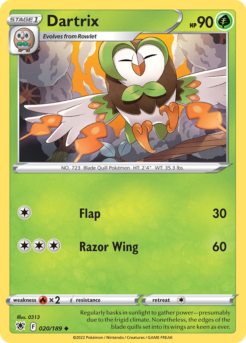
Astral Radiance
Regularly basks in sunlight to gather power—presumably due to the frigid climate. Nonetheless, the edges of the blade quills set into its wings are keen as ever.
Paradox Rift
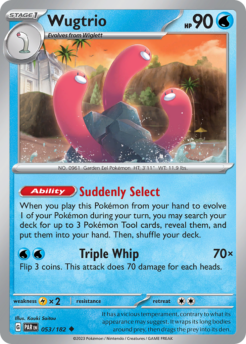
It has a vicious temperament, contrary to what its appearance may suggest. It wraps its long bodies around prey, then drags the prey into its den.