



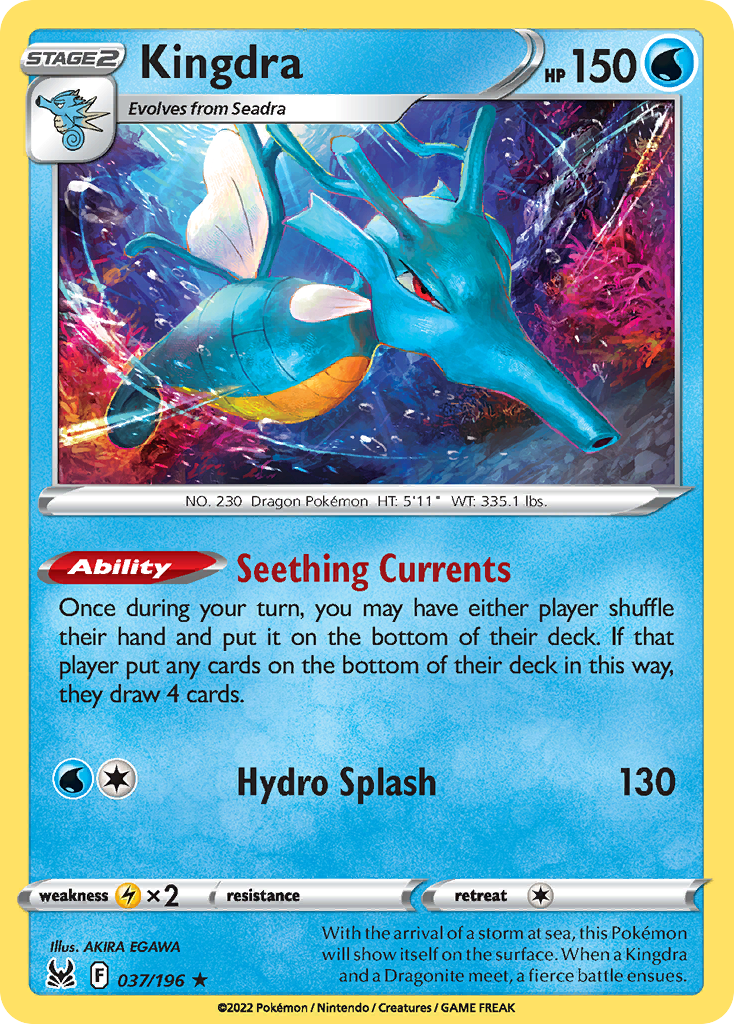
Kingdra
With the arrival of a storm at sea, this Pokémon will show itself on the surface. When a Kingdra and a Dragonite meet, a fierce battle ensues.
| Supertype | Pokémon |
|---|---|
| Subtype | Stage 2 |
| HP | 150 |
| Types | Water |
| Attack | Hydro Splash |
| Attack cost | Water |
| Artist | AKIRA EGAWA |
| Rarity | Rare Holo |
| Pokédex | 230 |
| Evolves from | Seadra |
Vendor Information
- Store Name: DutchGem
- Vendor: DutchGem
-
Address:
gekkestraat
179
2345GT Utrecht
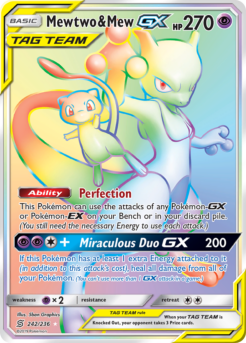
Sun & Moon
If this Pokémon has at least 1 extra Energy attached to it (in addition to this attack’s cost), heal all damage from all of your Pokémon. (You can’t use more than 1 GX attack in a game.)
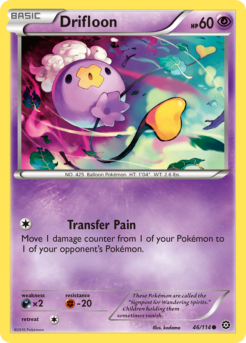
Steam Siege
These Pokémon are called the "Signpost for Wandering Spirits." Children holding them sometimes vanish.
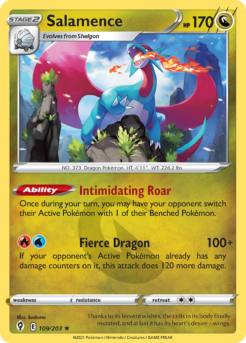
Evolving Skies
Thanks to its fervent wishes, the cells in its body finally mutated, and at last it has its heart's desire—wings.
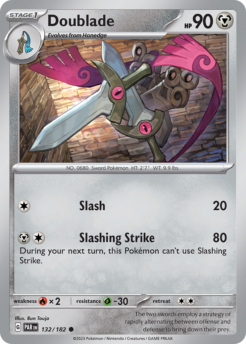
Paradox Rift
The two swords employ a strategy of rapidly alternating between offense and defense to bring down their prey.
Sun & Moon
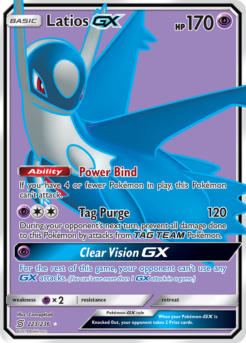
During your opponent’s next turn, prevent all damage done to this Pokémon by attacks from TAG TEAM Pokémon.
Related products
Sword & Shield
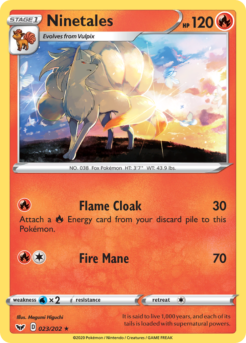
It is said to live 1,000 years, and each of its tails is loaded with supernatural powers.
Sword & Shield
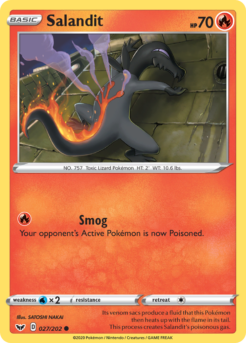
Its venom sacs produce a fluid that this Pokémon then heats up with the flame in its tail. This process creates Salandit's poisonous gas.
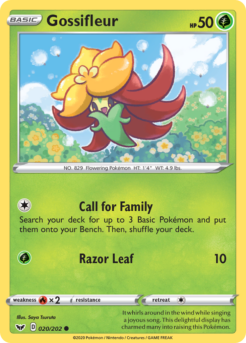
Sword & Shield
It whirls around in the wind while singing a joyous song. This delightful display has charmed many into raising this Pokémon.
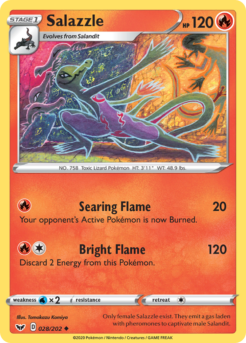
Sword & Shield
Only female Salazzle exist. They emit a gas laden with pheromones to captivate male Salandit.
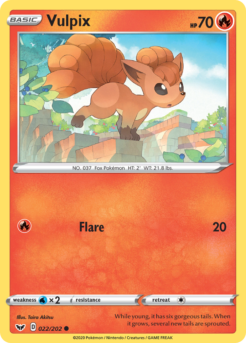
Sword & Shield
While young, it has six gorgeous tails. When it grows, several new tails are sprouted.
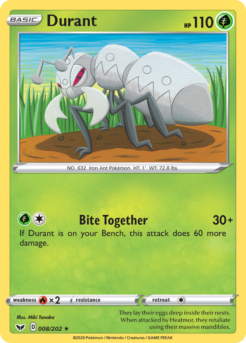
Sword & Shield
They lay their eggs deep inside their nests. When attacked by Heatmor, they retaliate using their massive mandibles.
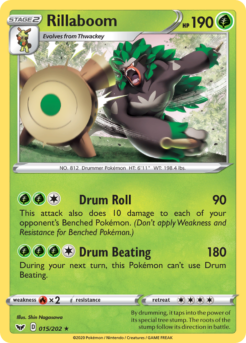
Sword & Shield
By drumming, it taps into the power of its special tree stump. The roots of the stump follow its direction in battle.
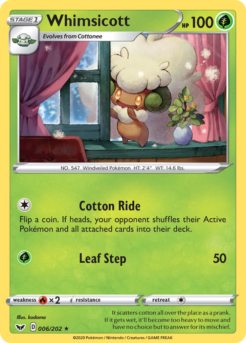
Sword & Shield
It scatters cotton all over the place as a prank. If it gets wet, it'll become too heavy to move and have no choice but to answer for its mischief.