



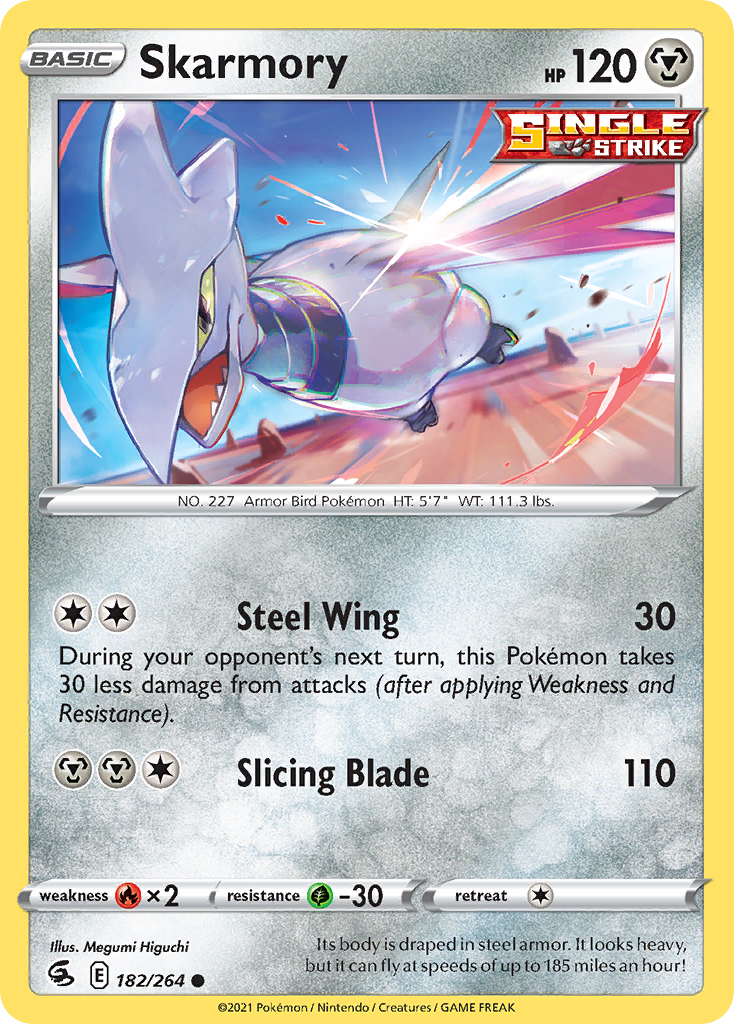
Skarmory
Its body is draped in steel armor. It looks heavy, but it can fly at speeds of up to 185 miles an hour!
During your opponent’s next turn, this Pokémon takes 30 less damage from attacks (after applying Weakness and Resistance).
| Supertype | Pokémon |
|---|---|
| Subtype | Basic |
| HP | 120 |
| Types | Metal |
| Attack | Steel Wing |
| Attack cost | Colorless |
| Artist | Megumi Higuchi |
| Rarity | Common |
| Pokédex | 227 |
Vendor Information
- Store Name: DutchGem
- Vendor: DutchGem
-
Address:
gekkestraat
179
2345GT Utrecht
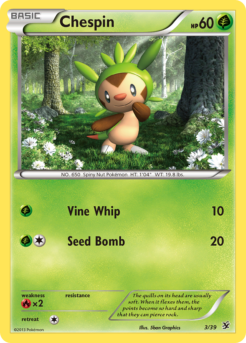
Kalos Starter Set
The quills on its head are usually soft. When it flexes them, the points become so hard and sharp that they can pierce rock.
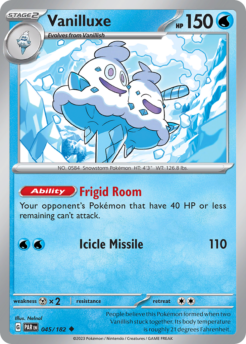
Paradox Rift
People believe this Pokémon formed when two Vanillish stuck together. Its body temperature is roughly 21 degrees Fahrenheit.
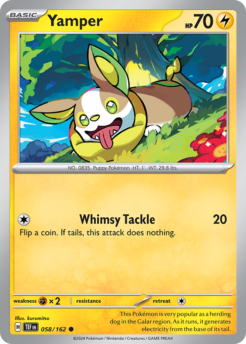
Scarlet & Violet
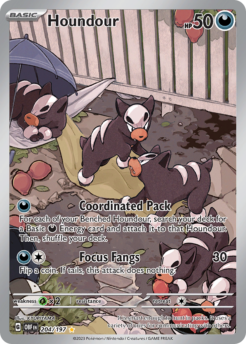
This Pokémon is very popular as a herding dog in the Galar region. As it runs, it generates electricity from the base of its tail.
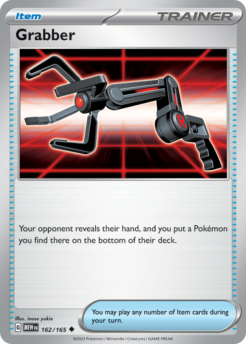
Obsidian Flames
It is smart enough to hunt in packs. It uses a variety of cries for communicating with others.
Fates Collide
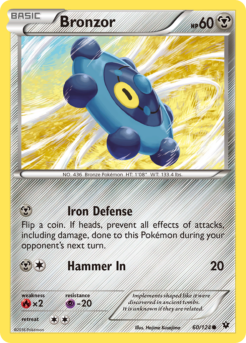
Implements shaped like it were discovered in ancient tombs. It is unknown if they are related.
Related products
Sword & Shield
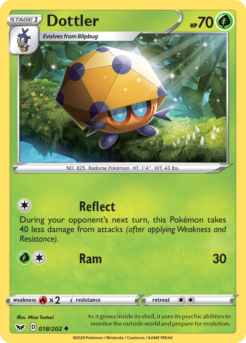
As it grows inside its shell, it uses its psychic abilities to monitor the outside world and prepare for evolution.
Sword & Shield
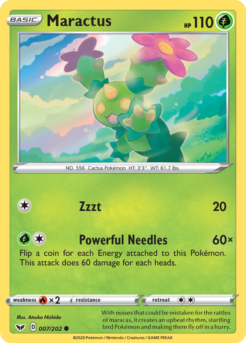
With noises that could be mistaken for the rattles of maracas, it creates an upbeat rhythm, startling bird Pokémon and making them fly off in a hurry.
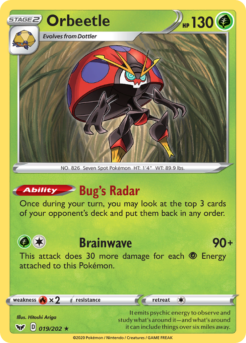
Sword & Shield
It emits psychic energy to observe and study what's around it—and what's around it can include things over six miles away.
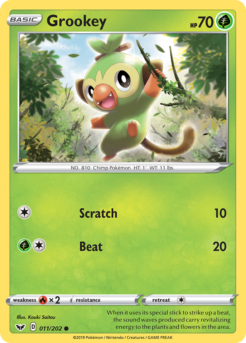
Sword & Shield
When it uses its special stick to strike up a beat, the sound waves produced carry revitalizing energy to the plants and flowers in the area.
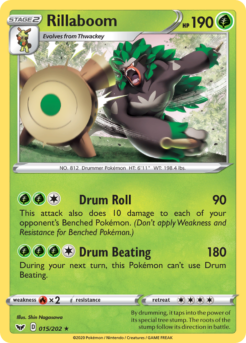
Sword & Shield
By drumming, it taps into the power of its special tree stump. The roots of the stump follow its direction in battle.
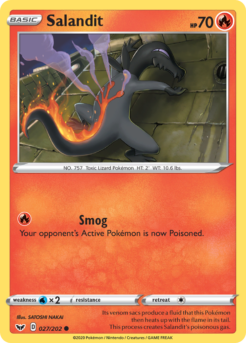
Sword & Shield
Its venom sacs produce a fluid that this Pokémon then heats up with the flame in its tail. This process creates Salandit's poisonous gas.
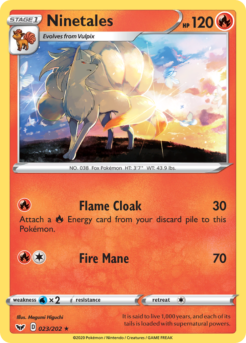
Sword & Shield
It is said to live 1,000 years, and each of its tails is loaded with supernatural powers.
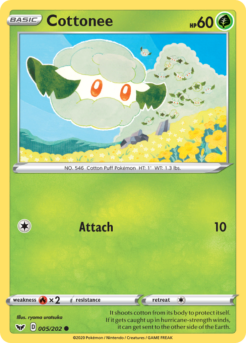
Sword & Shield
It shoots cotton from its body to protect itself. If it gets caught up in hurricane-strength winds, it can get sent to the other side of the Earth.