



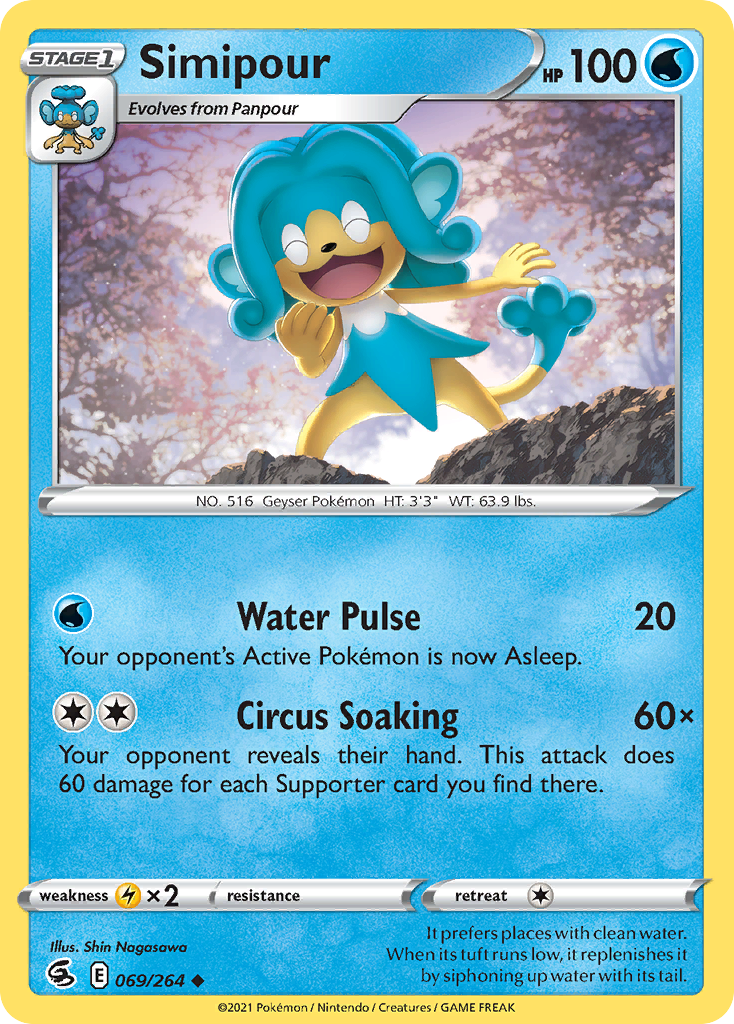
Simipour
It prefers places with clean water. When its tuft runs low, it replenishes it by siphoning up water with its tail.
Your opponent’s Active Pokémon is now Asleep.
| Supertype | Pokémon |
|---|---|
| Subtype | Stage 1 |
| HP | 100 |
| Types | Water |
| Attack | Water Pulse |
| Attack cost | Water |
| Artist | Shin Nagasawa |
| Rarity | Uncommon |
| Pokédex | 516 |
| Evolves from | Panpour |
Vendor Information
- Store Name: DutchGem
- Vendor: DutchGem
-
Address:
gekkestraat
179
2345GT Utrecht

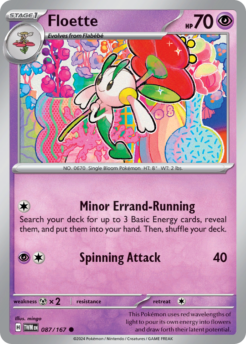
Scarlet & Violet
This Pokémon uses red wavelengths of light to pour its own energy into flowers and draw forth their latent potential.
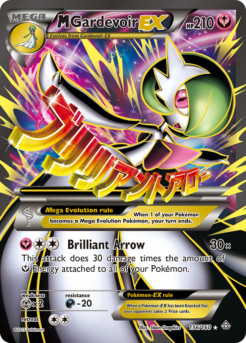
Primal Clash
This attack does 30 damage times the amount of Fairy Energy attached to all of your Pokémon.
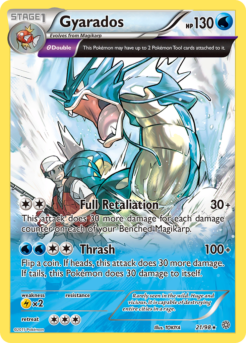
Ancient Origins
Rarely seen in the wild. Huge and vicious, it is capable of destroying entire cities in a rage.

Forbidden Light
Its knuckle claws secrete a toxin so vile that even a scratch could prove fatal.
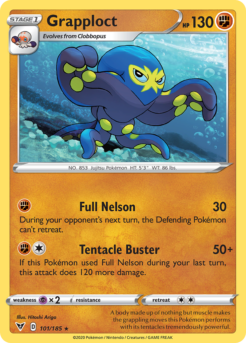
Sword & Shield
A body made up of nothing but muscle makes the grappling moves this Pokémon performs with its tentacles tremendously powerful.
Related products
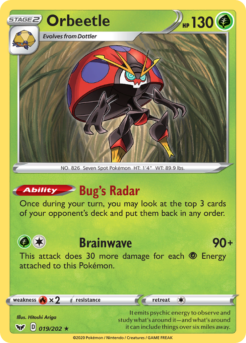
Sword & Shield
It emits psychic energy to observe and study what's around it—and what's around it can include things over six miles away.
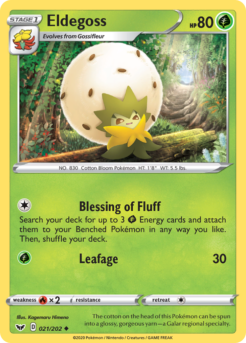
Sword & Shield
The cotton on the head of this Pokémon can be spun into a glossy, gorgeous yarn—a Galar regional specialty.
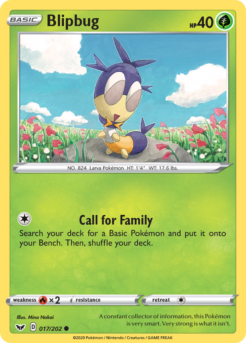
Sword & Shield
A constant collector of information, this Pokémon is very smart. Very strong is what it isn't.
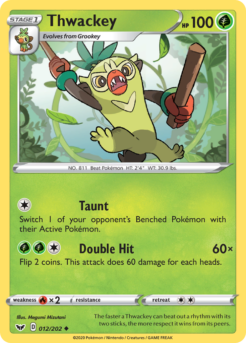
Sword & Shield
The faster a Thwackey can beat out a rhythm with its two sticks, the more respect it wins from its peers.
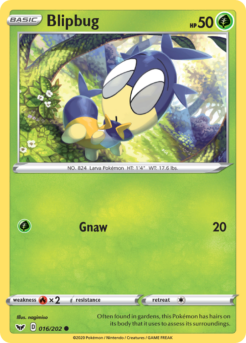
Sword & Shield
Often found in gardens, this Pokémon has hairs on its body that it uses to assess its surroundings.
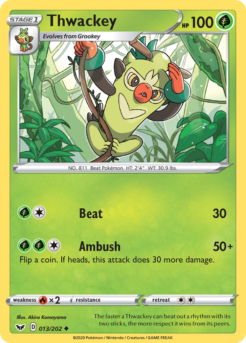
Sword & Shield
The faster a Thwackey can beat out a rhythm with its two sticks, the more respect it wins from its peers.
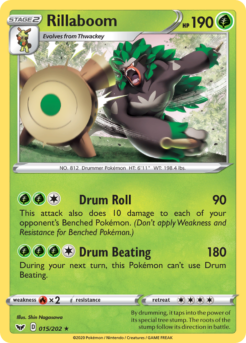
Sword & Shield
By drumming, it taps into the power of its special tree stump. The roots of the stump follow its direction in battle.
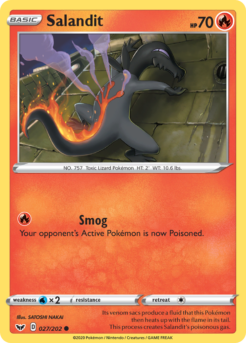
Sword & Shield
Its venom sacs produce a fluid that this Pokémon then heats up with the flame in its tail. This process creates Salandit's poisonous gas.