



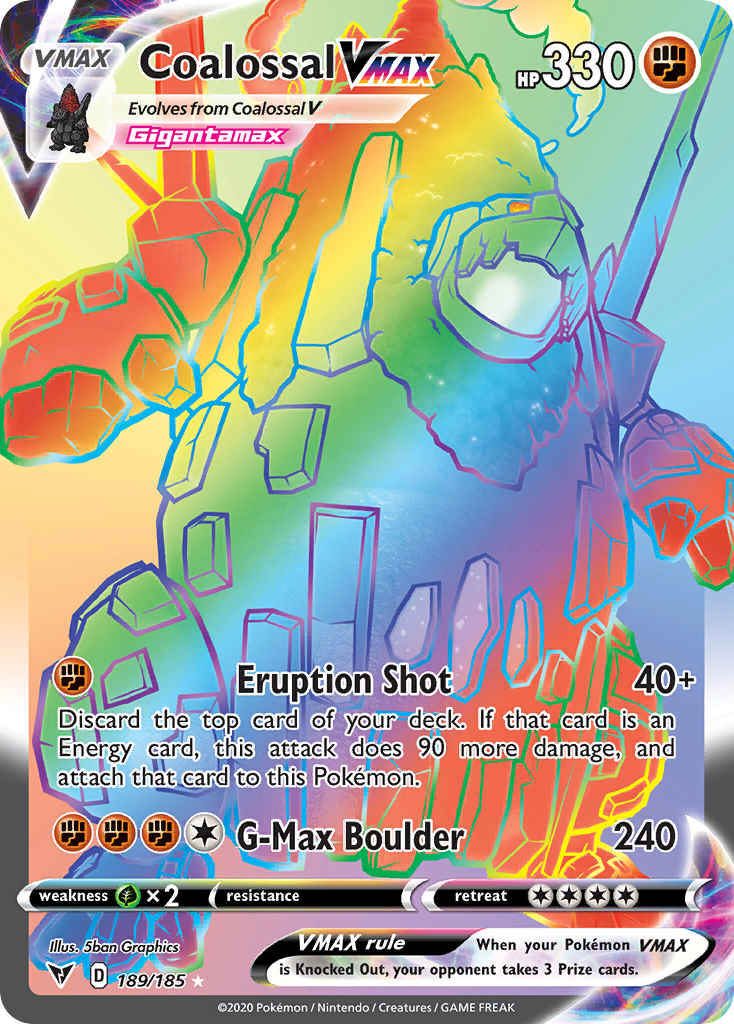


Discard the top card of your deck. If that card is an Energy card, this attack does 90 more damage, and attach that card to this Pokémon.
| Supertype | Pokémon |
|---|---|
| Subtype | VMAX |
| HP | 330 |
| Types | Fighting |
| Attack | Eruption Shot |
| Attack cost | Fighting |
| Artist | 5ban Graphics |
| Rarity | Rare Rainbow |
| Pokédex | 839 |
| Evolves from | Coalossal V |
Vendor Information
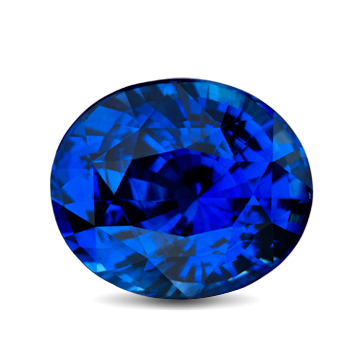
- Store Name: DutchGem
- Vendor: DutchGem
-
Address:
gekkestraat
179
2345GT Utrecht
Base
The body is soft and rubbery. When angered, it will suck in air and inflate itself to an enormous size.
Scarlet & Violet
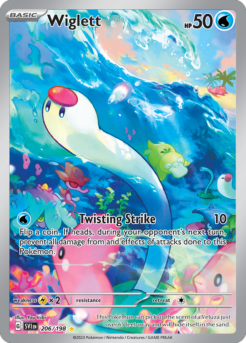
This Pokémon can pick up the scent of a Veluza just over 65 feet away and will hide itself in the sand.
Base
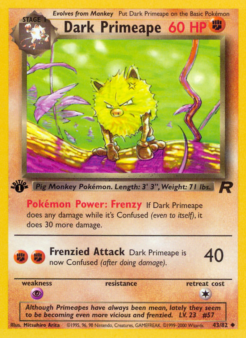
Although Primeapes have always been mean, lately they seem to be becoming even more vicious and frenzied.
Scarlet & Violet
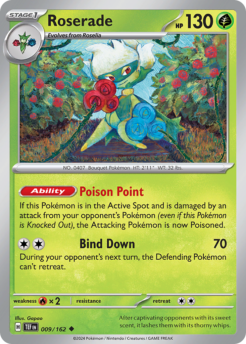
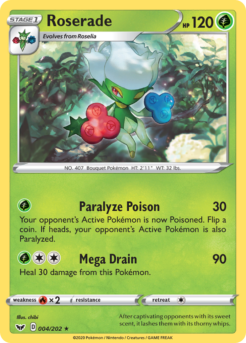
After captivating opponents with its sweet scent, it lashes them with its thorny whips.
Related products
Sword & Shield
After captivating opponents with its sweet scent, it lashes them with its thorny whips.
Sword & Shield
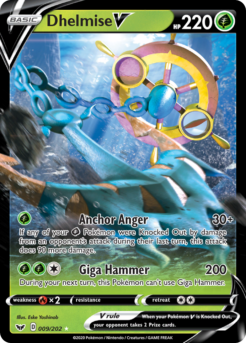
If any of your Grass Pokémon were Knocked Out by damage from an opponent’s attack during their last turn, this attack does 90 more damage.
Sword & Shield
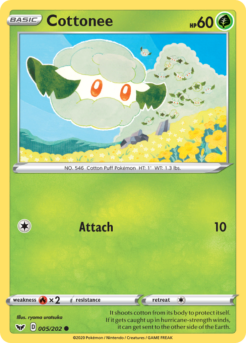
It shoots cotton from its body to protect itself. If it gets caught up in hurricane-strength winds, it can get sent to the other side of the Earth.
Sword & Shield
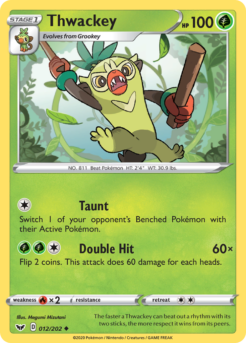
The faster a Thwackey can beat out a rhythm with its two sticks, the more respect it wins from its peers.
Sword & Shield
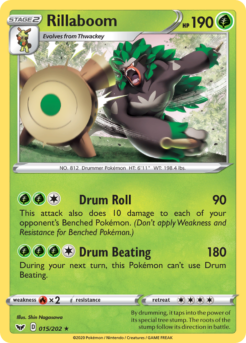
By drumming, it taps into the power of its special tree stump. The roots of the stump follow its direction in battle.
Sword & Shield
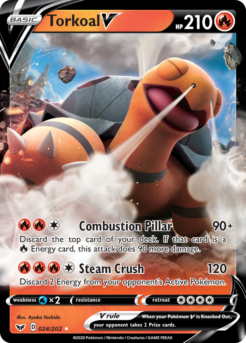
Discard the top card of your deck. If that card is a Fire Energy card, this attack does 90 more damage.
Sword & Shield
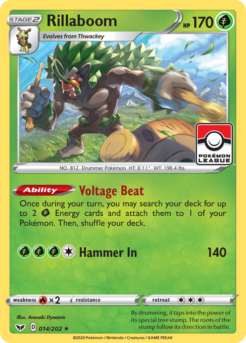
By drumming, it taps into the power of its special tree stump. The roots of the stump follow its direction in battle.
Sword & Shield
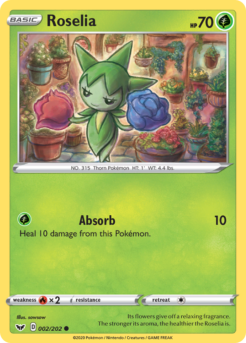
Its flowers give off a relaxing fragrance. The stronger its aroma, the healthier the Roselia is.