



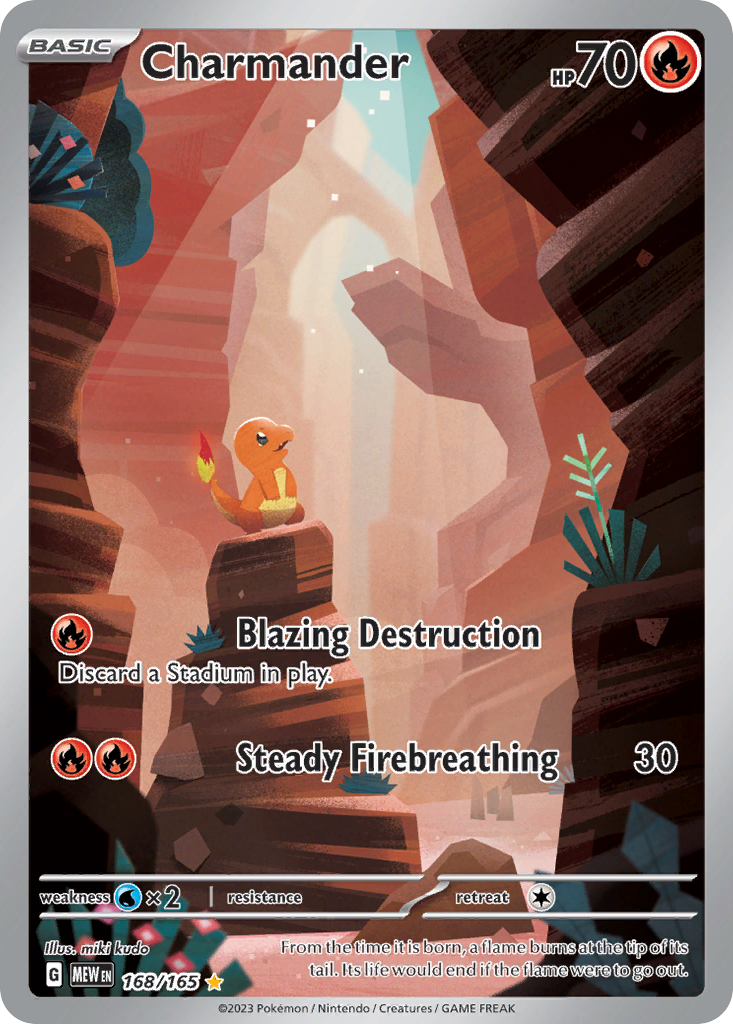
Charmander


From the time it is born, a flame burns at the tip of its tail. Its life would end if the flame were to go out.
Discard a Stadium in play.
| Supertype | Pokémon |
|---|---|
| Subtype | Basic |
| HP | 70 |
| Attack | Blazing Destruction |
| Attack cost | Fire |
| Artist | miki kudo |
| Rarity | Illustration Rare |
| Pokédex | 4 |
| Evolves to | Charmeleon |
Vendor Information
- Store Name: DutchGem
- Vendor: DutchGem
-
Address:
gekkestraat
179
2345GT Utrecht
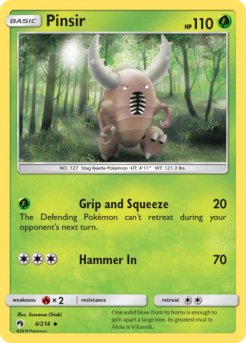
Lost Thunder
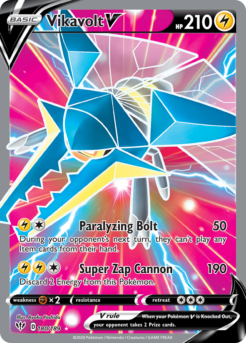
One solid blow from its horns is enough to split apart a large tree. Its greatest rival in Alola is Vikavolt.
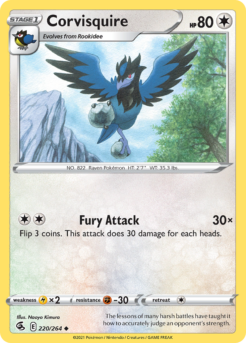
Fusion Strike
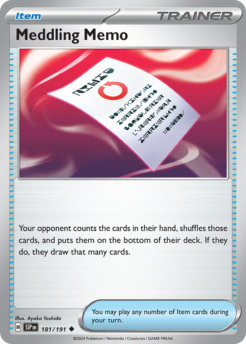
The lessons of many harsh battles have taught it how to accurately judge an opponent's strength.
Darkness Ablaze
During your opponent’s next turn, they can’t play any Item cards from their hand.
Sword & Shield
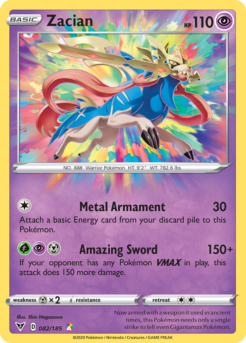
Now armed with a weapon it used in ancient times, this Pokémon needs only a single strike to fell even Gigantamax Pokémon.
Chilling Reign
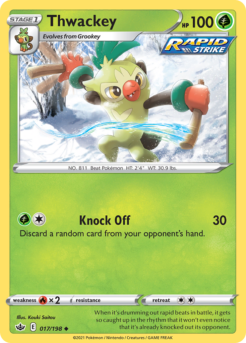
When it's drumming out rapid beats in battle, it gets so caught up in the rhythm that it won't even notice that it's already knocked out its opponent.
Related products
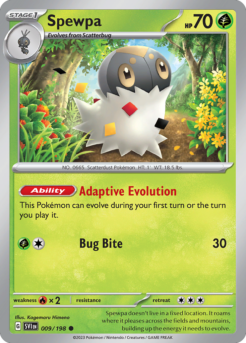
Scarlet & Violet
Spewpa doesn't live in a fixed location. It roams where it pleases across the fields and mountains, building up the energy it needs to evolve.
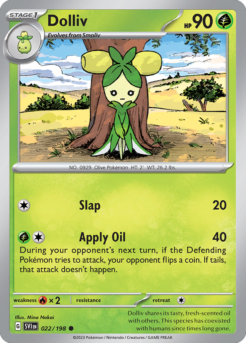
Scarlet & Violet
Dolliv shares its tasty, fresh-scented oil with others. This species has coexisted with humans since times long gone.
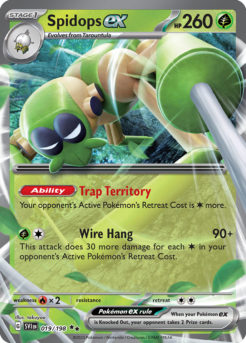
Scarlet & Violet
The thread it secretes from its rear is as strong as wire. The secret behind the thread's strength is the topic of ongoing research.
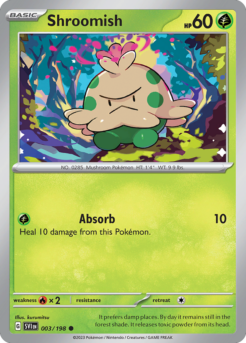
Scarlet & Violet
It prefers damp places. By day it remains still in the forest shade. It releases toxic powder from its head.
Scarlet & Violet
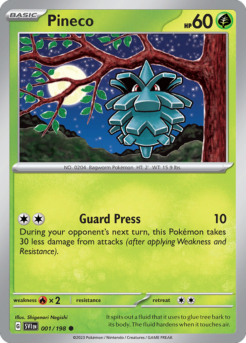
It spits out a fluid that it uses to glue tree bark to its body. The fluid hardens when it touches air.
Scarlet & Violet
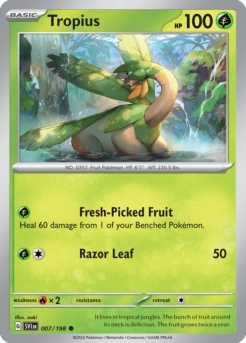
It lives in tropical jungles. The bunch of fruit around its neck is delicious. The fruit grows twice a year.
Scarlet & Violet
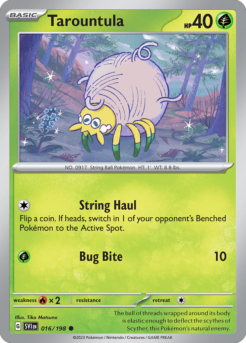
The ball of threads wrapped around its body is elastic enough to deflect the scythes of Scyther, this Pokémon's natural enemy.
Scarlet & Violet
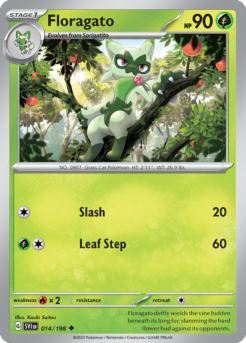
Floragato deftly wields the vine hidden beneath its long fur, slamming the hard flower bud against its opponents.