



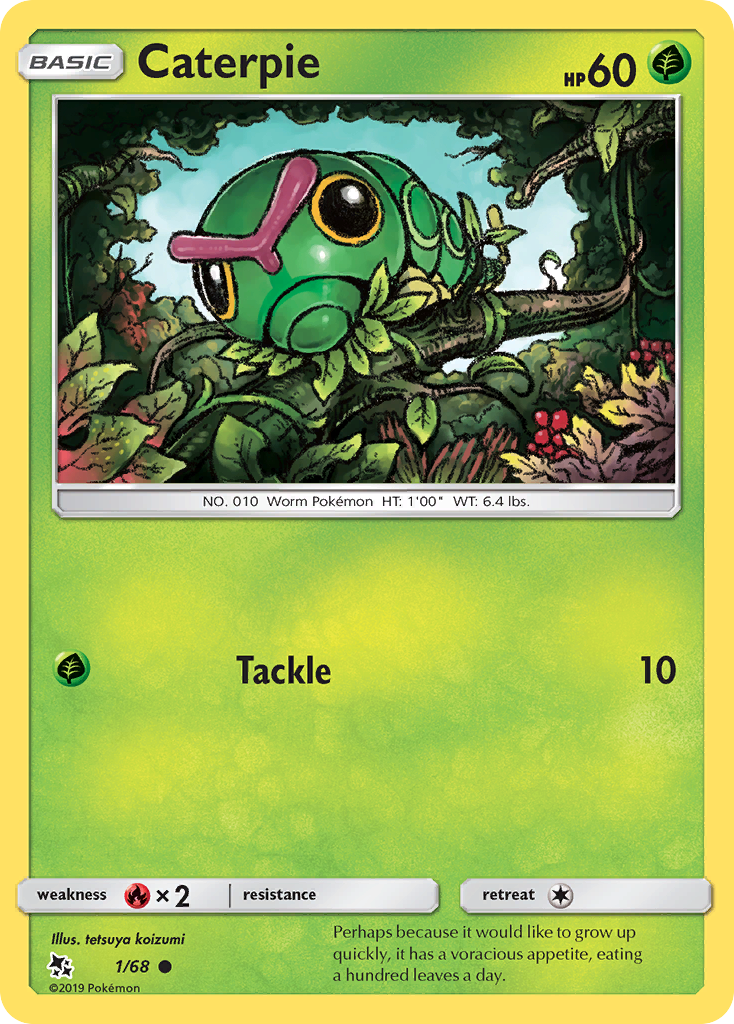
Caterpie
Perhaps because it would like to grow up quickly, it has a voracious appetite, eating a hundred leaves a day.
| Supertype | Pokémon |
|---|---|
| Subtype | Basic |
| HP | 60 |
| Types | Grass |
| Attack | Tackle |
| Attack cost | Grass |
| Artist | tetsuya koizumi |
| Rarity | Common |
| Pokédex | 10 |
| Evolves to | Metapod |
Vendor Information
- Store Name: DutchGem
- Vendor: DutchGem
-
Address:
gekkestraat
179
2345GT Utrecht

BREAKthrough
This Pokémon does 30 damage to itself. This attack does 30 damage to 1 of your opponent’s Benched Pokémon. (Don’t apply Weakness and Resistance for Benched Pokémon.)
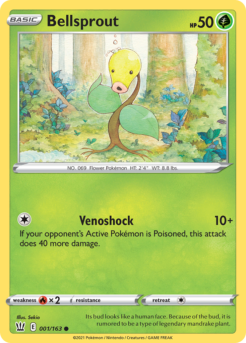
Battle Styles
Its bud looks like a human face. Because of the bud, it is rumored to be a type of legendary mandrake plant.
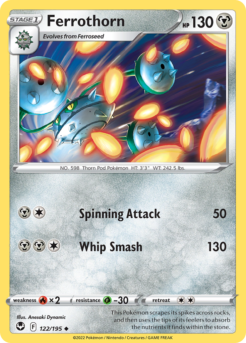
Silver Tempest
This Pokémon scrapes its spikes across rocks, and then uses the tips of its feelers to absorb the nutrients it finds within the stone.
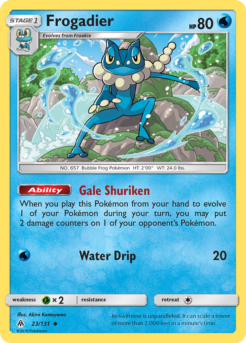
Forbidden Light
Its swiftness is unparalleled. It can scale a tower of more than 2,000 feet in a minute's time.
Sun & Moon
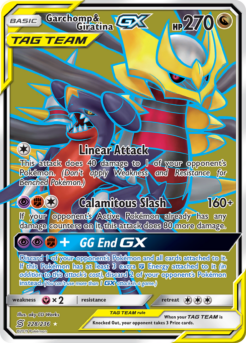
This attack does 40 damage to 1 of your opponent’s Pokémon. (Don’t apply Weakness and Resistance for Benched Pokémon.)