



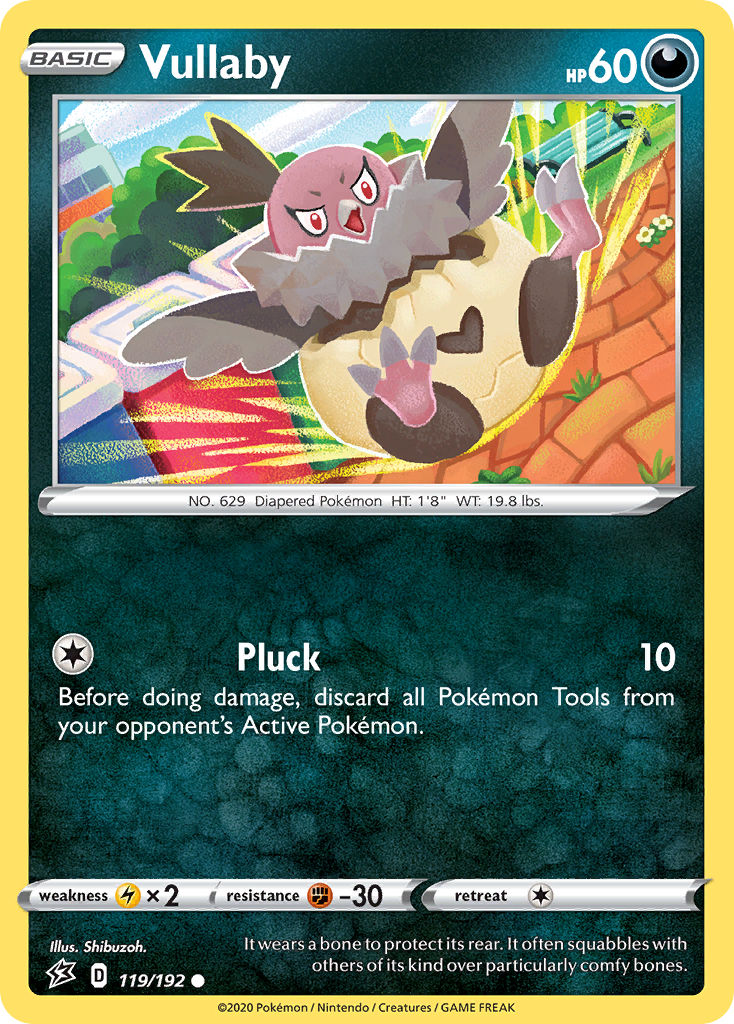
Vullaby
It wears a bone to protect its rear. It often squabbles with others of its kind over particularly comfy bones.
Before doing damage, discard all Pokémon Tools from your opponent’s Active Pokémon.
| Supertype | Pokémon |
|---|---|
| Subtype | Basic |
| HP | 60 |
| Types | Darkness |
| Attack | Pluck |
| Attack cost | Colorless |
| Artist | Shibuzoh. |
| Rarity | Common |
| Pokédex | 629 |
| Evolves to | Mandibuzz |
Informatie verkoper
- Shopnaam: DutchGem
- Verkoper DutchGem
-
Adres:
gekkestraat
179
2345GT Utrecht
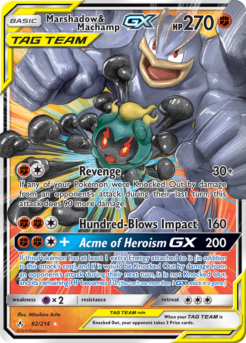
Sun & Moon
If any of your Pokémon were Knocked Out by damage from an opponent’s attack during their last turn, this attack does 90 more damage.
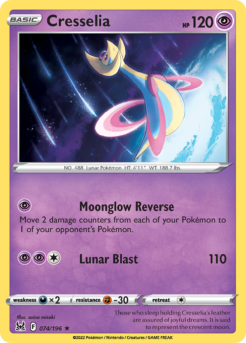
Lost Origin
Those who sleep holding Cresselia's feather are assured of joyful dreams. It is said to represent the crescent moon.
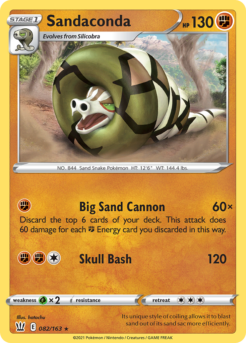
Battle Styles
Its unique style of coiling allows it to blast sand out of its sand sac more efficiently.
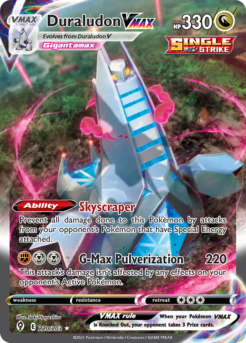
Evolving Skies
This attack’s damage isn’t affected by any effects on your opponent’s Active Pokémon.
BREAKthrough
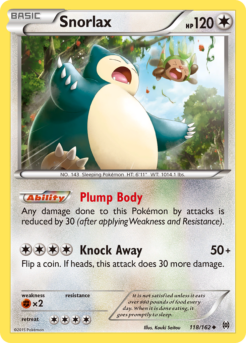
It is not satisfied unless it eats over 880 pounds of food every day. When it is done eating, it goes promptly to sleep.
151
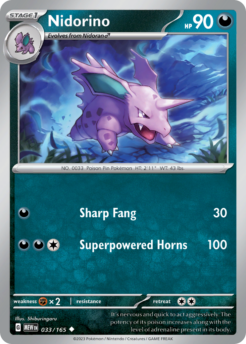
It's nervous and quick to act aggressively. The potency of its poison increases along with the level of adrenaline present in its body.
Gerelateerde producten
Sword & Shield
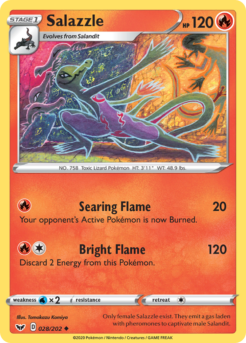
Only female Salazzle exist. They emit a gas laden with pheromones to captivate male Salandit.
Sword & Shield
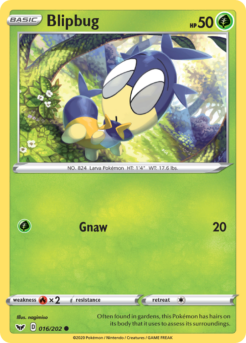
Often found in gardens, this Pokémon has hairs on its body that it uses to assess its surroundings.
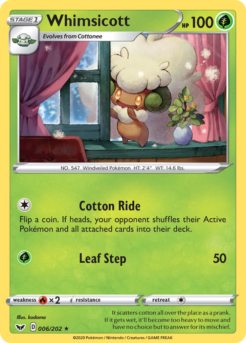
Sword & Shield
It scatters cotton all over the place as a prank. If it gets wet, it'll become too heavy to move and have no choice but to answer for its mischief.
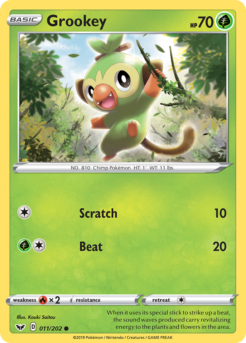
Sword & Shield
When it uses its special stick to strike up a beat, the sound waves produced carry revitalizing energy to the plants and flowers in the area.
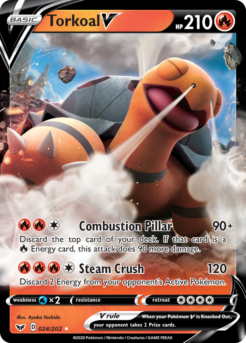
Sword & Shield
Discard the top card of your deck. If that card is a Fire Energy card, this attack does 90 more damage.
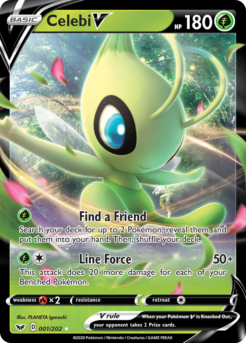
Sword & Shield
Search your deck for up to 2 Pokémon, reveal them, and put them into your hand. Then, shuffle your deck.
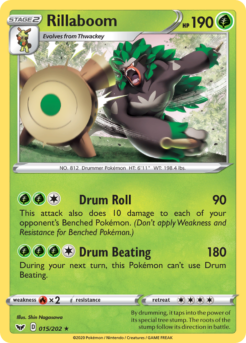
Sword & Shield
By drumming, it taps into the power of its special tree stump. The roots of the stump follow its direction in battle.
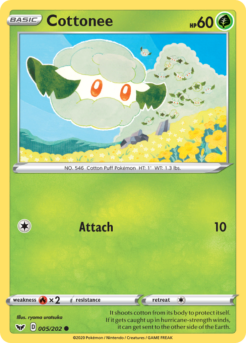
Sword & Shield
It shoots cotton from its body to protect itself. If it gets caught up in hurricane-strength winds, it can get sent to the other side of the Earth.